
The Irish Rose Girls Step Into Service
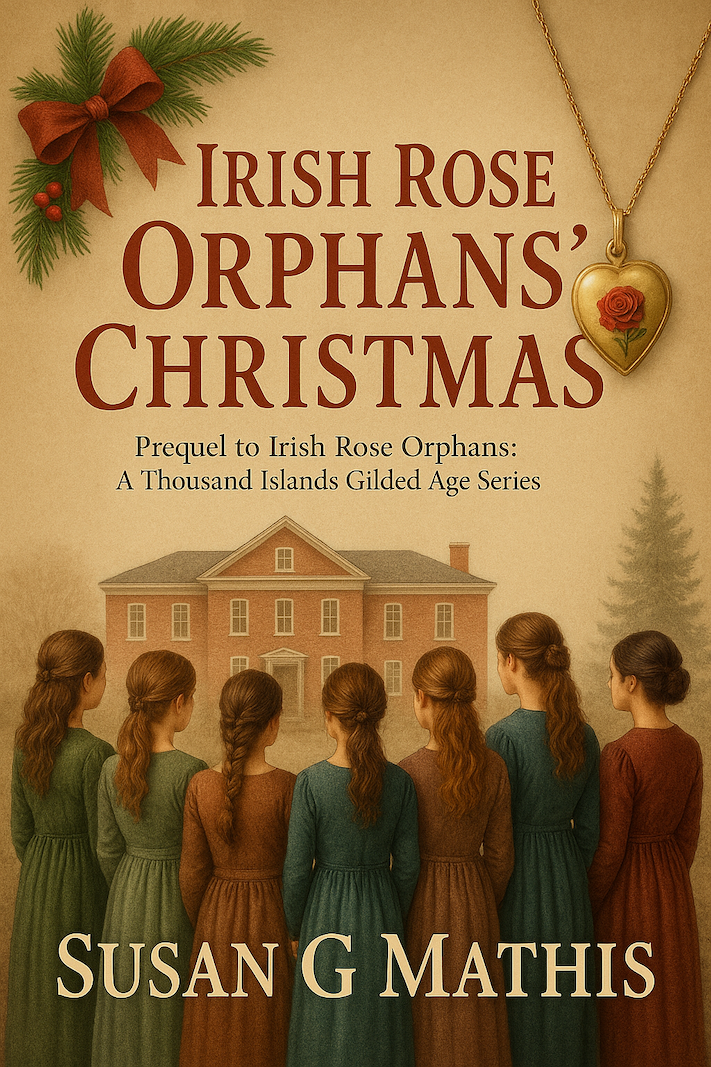 In the Irish Rose Orphans’ Christmas, the girls of the Irish Rose Asylum prepare to say goodbye and discover the truest meaning of service—not servitude, but strength born of love and faith.
In Brooklyn, 1876, the snow falls softly on the roof of the Irish Rose Orphan Asylum for Girls, where seven young women prepare for their final Christmas together. Soon, each will leave the only home they’ve ever known to enter service among the elite families of the Thousand Islands.
For these seven spirited young women—Annie, Taryn, Fiona, Vivian, Cassie, Isabel, and Gloria—the future glitters with promise and uncertainty. In the Gilded Age, service is often the only path open to orphaned girls, yet it is also a doorway to independence, adventure, and perhaps redemption.
Each assignment will test them in new ways. Annie and Taryn, twin sisters once inseparable, must confront their silent rift as they are sent to different households. Fiona, whose heart still aches from abandonment, wonders if she will ever belong anywhere. Vivian hides her fear behind a bright smile, determined to make the best of whatever comes. Cassie, the would-be teacher, strives to be the steady anchor for them all. Isabel and Gloria cling to one another as the reality of separation looms.
Stepping into service means more than scrubbing floors or polishing silver—it means entering a new social order where one’s worth is often measured by obedience and grace. The girls will serve the very people who dine under chandeliers and sail gilded yachts, glimpsing a life of luxury from the other side of the parlor door.
Before they part, Sister Rose gathers them for one final Advent reflection. She reminds them that service, when done with love, becomes a calling rather than a burden. Each girl receives a small tin locket adorned with the Irish Rose, a symbol of hope and belonging—a promise that no matter how far they travel, they are never truly alone.
This prequel to Irish Rose Orphans: A Thousand Islands Gilded Age Series is more than a tale of historical fiction—it’s a celebration of resilience, sisterhood, and the quiet heroism of those who serve. As these seven young women take their first steps into a world defined by class and elegance, readers will be drawn into their courage and grace.
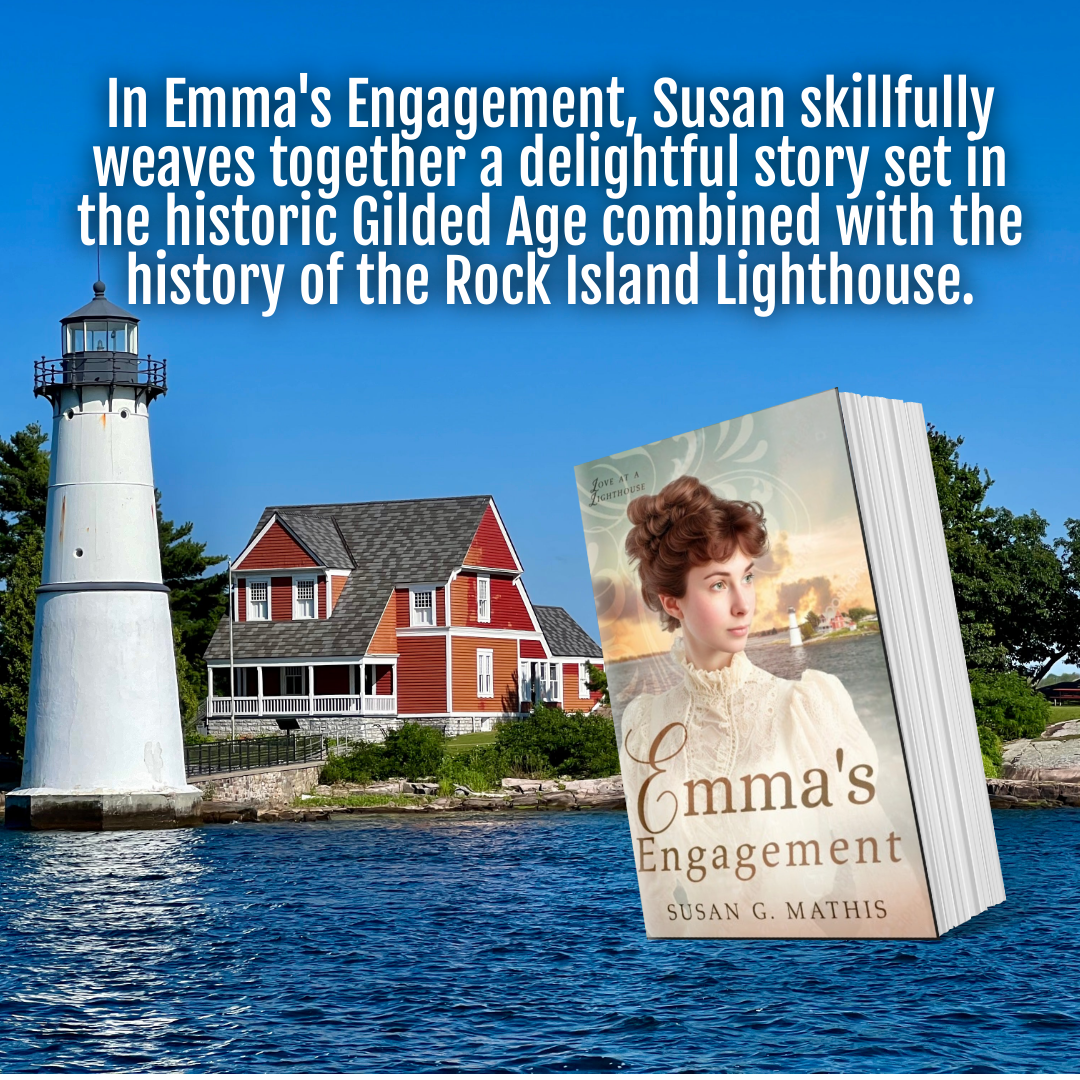
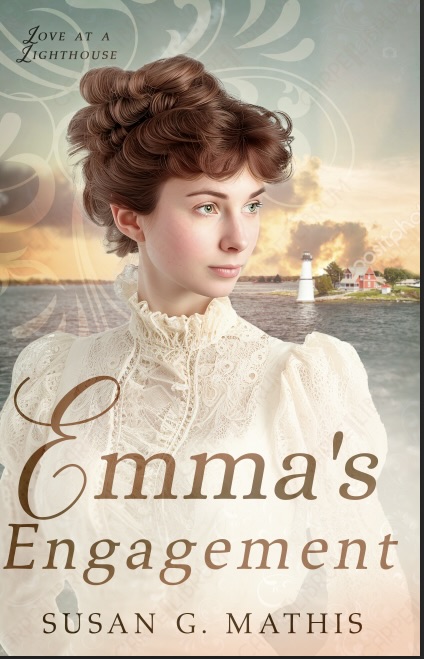
My Rock Island Lighthouse story, Emma’s Engagement
Screenshot
Have you read the third novel in my Love at a Lighthouse series? Here’s what it’s about:
Emma Row embarks on a journey that will test her resilience and love. She marries Michael Diepolder, the Rock Island Lightkeeper and widower, a man who seeks a companion for both himself and his eleven-year-old daughter, Ada. But as she steps into the role of lightkeeper’s wife with a heart full of hope, little does she know that the idyllic setting conceals challenges that will shake the foundation of her happiness. Isolation creeps in, compounded by Ada’s determination to keep her father all to herself. As a storm looms, Emma must grapple with the difficulties of being a stepmother and lightkeeper’s wife. Will she find her place, or will the tumultuous waves of doubt and isolation tear them apart?
For Michael, Emma is not just a wife but the hope for his future. But the lighthouse life and being a stepmother proves harder for Emma than he ever imagined, and Ada’s animosity only intensifies it. When the lighthouse inspector questions Emma’s place due to her Canadian heritage and Ada become deathly ill, the very foundation of their family is shaken. Can their family find solace and unity on this tiny island? Amid the swirling tempest of challenges, Emma, Michael, and Ada must discover the strength within themselves and each other to weather the storm. Emma’s Engagement is a poignant tale of love, resilience, and the enduring bonds that can form in the most unexpected places. This fictional story is based on the actual lives of Michael and Emma Diepolder.
Here’s an excerpt: The Night Sky
When they reached the parapet, Emma poured them each a glass of tea and handed them a cookie. The night sky unfolded before them, a vast canvas of twinkling stars. The cool breeze tousled their hair, and Ada’s eyes sparkled with excitement. She studied the sky and pointed. “Look, Emma. Over there is Orion, the mighty hunter. See those three bright stars in a row? They make up his belt. And if you follow the belt down, you’ll see his sword hanging from it.”
Emma’s eyes widened, captivated by Ada’s enthusiastic explanations. “That’s incredible, Ada. I’ve heard of Orion, but I never knew how to identify him in the sky. You truly are an expert.”
Ada beamed with pride. “Papa taught me all I know. He’s the brilliant one. But thank you. Orion is my favorite constellation. Cassiopeia is my second. See that group of stars over there? It looks like a big ‘M’ or ‘W’ depending on how it’s positioned.”
Emma stared at the sky for several moments and frowned. Michael helped her see it by coming behind her and pointed within her field of vision. Finally, she exclaimed, “I see it! I see it, Ada! Show me more.”
Ada grinned wide. “Your turn, Papa. I want to eat my cookie.”
Michael chuckled. “You can have mine, too. You need to put some meat on those bones, my girl.”
She rolled her eyes and took a bite, while Emma waited expectantly, her eyes trained on the stars. What a glorious night, having both of his girls with him on this clear, still summer’s eve!
He searched for the next constellation he could introduce her to. “Look there, just above the horizon. That is Ursa Major, the Great Bear.”
Emma nodded. “I only knew one until now. There…those seven stars are the Big Dipper.”
Ada clanged her glass on Emma’s, almost making her spill it. “Good for you. That’s a start. And now you know lots more. Won’t your friend be pleased?”
“She will indeed.”
The hour slipped away as they immersed themselves in the celestial spectacle above them. They marveled at the beauty of the stars, connecting the dots to form mythical creatures and heroes of ancient tales. Laughter and whispers filled the air, blending with the distant sound of crashing waves.
Suddenly, a streak of light shot across the sky, leaving a trail of shimmering stardust in its wake. The three of them gasped in unison, their eyes fixed on the falling star.
Emma cheered. “Quick, make a wish!”
Meet author Rachel Medefind

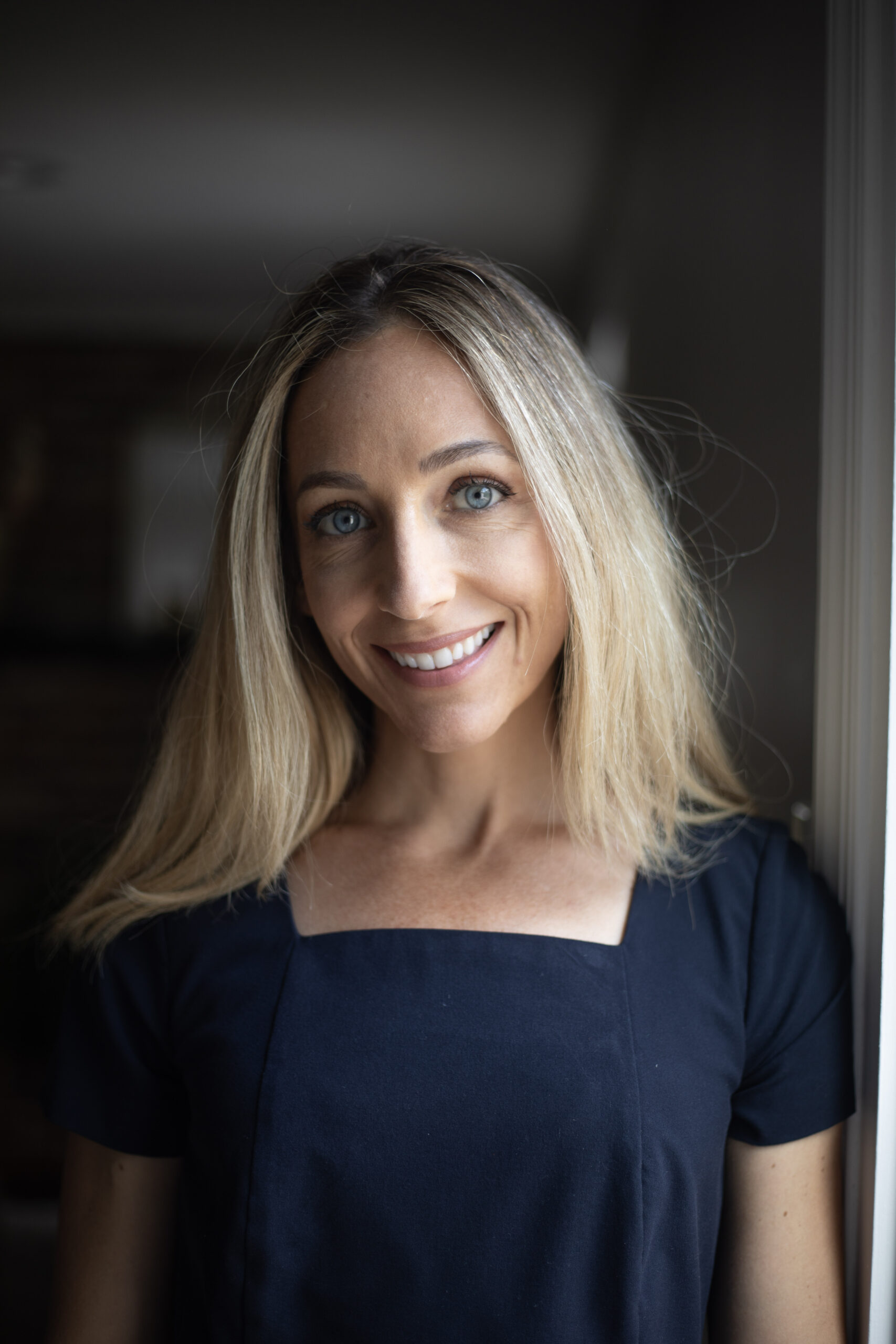
Rachel Medefind is Director of the Institute for Family-Centered Healing & Health at the Christian Alliance for Orphans. With a background in physical therapy and a Master’s in Psychology and Neuroscience of Mental Health from King’s College London, she specializes in early adversity and supports families facing complex parenting challenges. Rachel has served on boards supporting vulnerable children, helped found Tyndale Christian School in Arlington, Virginia, and is the author of When There Is Crisis. She and her husband, Jedd, have welcomed children through birth, adoption, and foster care.
Tell us about your newest book.

When There Is Crisis: A Handbook for Christian Foster & Adoptive Families Facing Serious Struggle was written for families walking through deep distress and for those trying to support them well. It offers practical guidance for immediate steps during a crisis, thoughtful help for families considering residential care, and encouragement toward everyday practices that support healing and long-term growth. My hope was to offer honest language, a path forward grounded in Christian wisdom, and reminders of what is most true even in very hard places.
What inspired you to write your story?
Over the years, my husband and I have had the privilege and heartache of walking closely with many foster and adoptive families. Again and again, I saw parents facing serious suffering with very little trustworthy guidance. Many were caught between emergency-level interventions and shallow advice that did not meet the depth of their need. I wanted to write something that was honest about the pain, practical about the decisions families face, and deeply rooted in the hope and wisdom of the Christian faith.
What genre do you focus on.
I write practical Christian nonfiction, especially about the small choices that contribute to flourishing over time within families and surrounded by church community. There is no shortage of information available to parents today, but practical wisdom grounded in age-old Christian practice, high-quality research, and common sense is often drowned out by the loud, frenetic flood of competing ideas.
Why do you write?
I write to help people think clearly and live faithfully in difficult circumstances. In particular, I want to serve families who feel overwhelmed, isolated, or unsure what to do next. Writing allows me to put words around hard realities, offer practical help, and remind people of what is most true: God is with them, and good can still come even through very painful seasons.
What is the hardest part of being an author?
One hard part is writing about suffering in a way that is truthful, careful, and genuinely helpful. When families are in crisis, the stakes are high. I feel a deep responsibility not to oversimplify, exaggerate, or speak beyond what is wise. I want my words to be both honest and useful, and that requires a great deal of thought, restraint, and care.
What’s the best part of your author’s life?
The best part is hearing that something I wrote helped someone in a practical way, giving them clearer footing in a hard season. Parenting is difficult for most of us and, at times, can be truly distressing or deeply painful. If, through my writing, a parent gains a clearer sense of what is most needed, feels freer to let go of lesser things, and is encouraged that many have walked a similar road before them, that is deeply meaningful to me.
What’s one thing your readers should know about you?
I care very much about offering guidance that is both compassionate and clear-eyed. I do not want to minimize suffering, but I also do not want to leave families without direction. I believe we need to hold together deep sympathy for human pain with confidence that growth, healing, and meaningful change are still possible.
How have you changed or grown as a writer?
I think I’ve grown in my willingness to bring forward ideas that are often not being talked about. Sometimes that is because a topic is being addressed too narrowly. At other times, it is because others take the easy way out and are not willing to speak honestly about the full scope of contributing factors when addressing problems. I have had to grow in courage and confidence as a thinker. For me, that courage comes from a deep desire to best support families by offering as plain and truthful a presentation as possible and then leaving them to think it through. I do this out of a deep confidence that God intends for healing and flourishing to grow and has made pathways by which this can be pursued. Though it is not easy, and never simplistic, it is indeed available. I think I have also become more comfortable presenting a vision for this.
Do you have other books? We’d love to know.
This is my first book-length resource, though I have written and developed a range of materials for foster and adoptive families, churches, and organizations seeking to support healing and health in children and families.
What are you working on now?
Right now, I’m continuing to develop resources that help families move from crisis toward greater stability, healing, and long-term flourishing. That includes a practical toolkit to accompany When There Is Crisis for parents and for those walking alongside them, to use together as a means of learning, encouragement, and growth. I’m also in the process of writing another anchor resource that lays out a vision for cultivating flourishing in the context of the home through small, daily practices.
Website:
https://cafo.org/family-institute/
Link to book:
https://cafo.org/family-institute/when-there-is-crisis/
Social media links:
https://www.linkedin.com/in/rachel-medefind
Meet author Steven Rogers

Version 1.0.0
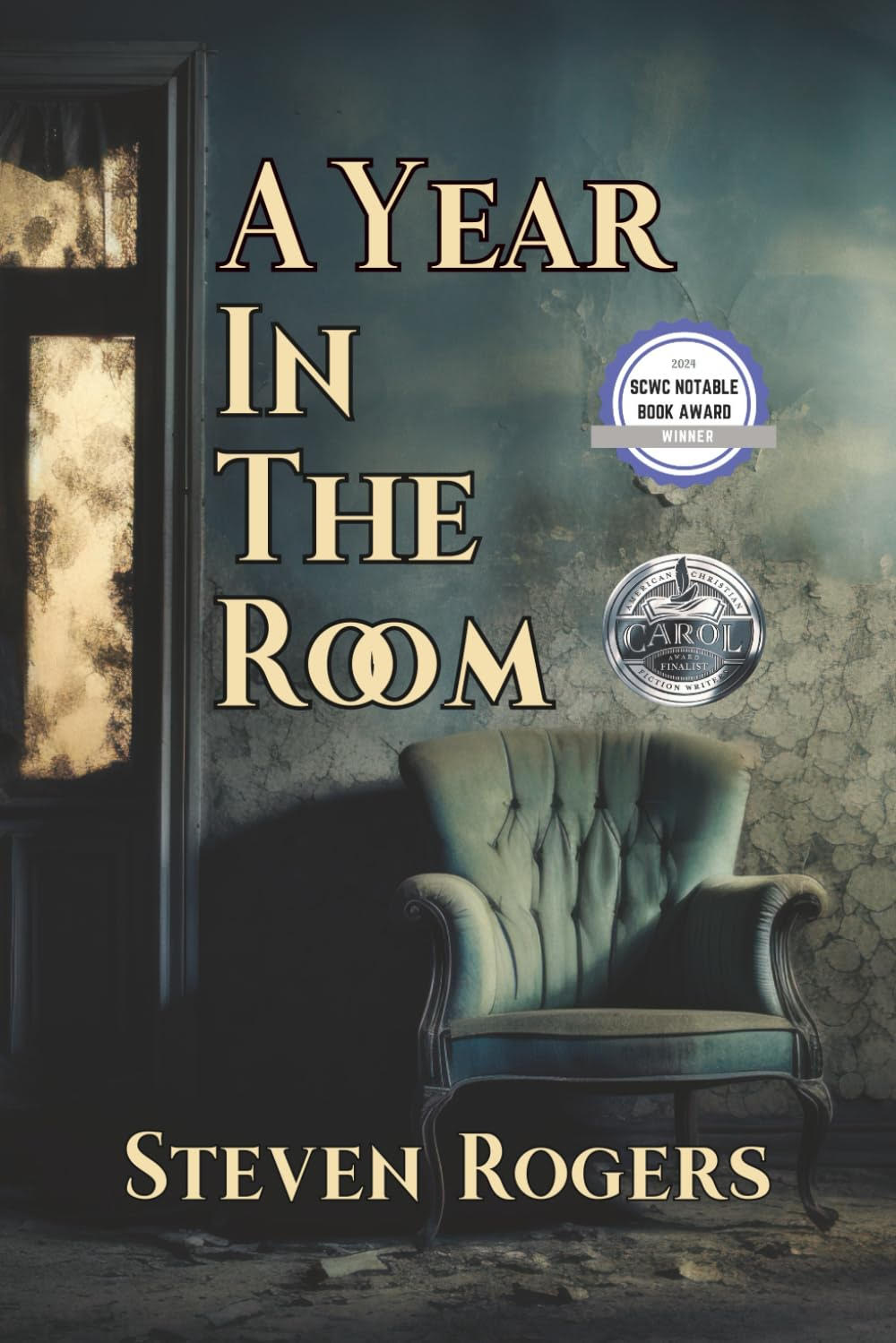
 Steven Rogers is an author and speaker. His debut novel, Into the Room, begins the story of Ben Cahill, an alcoholic who takes the first steps towards faith and recovery while visiting Israel. His second novel, A Year in the Room, continues Ben’s story as Ben travels to the legendary Scottish Island of Iona. Both books were finalists for the ACFW Carol Awards. Steven loves the process of writing and bringing his stories to a happy, or at least hopeful, ending. Steven, father of three adult children, lives in Henrico, Virginia, with his wife, Kathy.
Tell us about your newest book.
My book, A Year in the Room, is the second in my “Reluctant Pilgrim” series. Ben Cahill, steps off a flight from Israel facing an unrelenting list of challenges—a fractured family, no job, no place to live, and a dubious grip on his newly-found sobriety. Ben is forced to start over, settling into a small, rented room and working three part-time jobs. As his first year of recovery unfolds, Ben fights an unrelenting spiritual war against his personal demons and the consequences of his past actions. Along the way, a chain-smoking, no-nonsense grandmother, a retired navy cook, a crusty old Scotsman, and an unexpected pilgrimage to the legendary Scottish Island of Iona challenge him to clear away the wreckage of his life and begin to repair himself and his family.
What inspired you to write your story?
To answer this question, I first have to discuss my debut novel, Into the Room. In 2017, I was on a flight to visit Israel when, somewhere over the Atlantic Ocean, I had the thought, “I wonder what would happen if I were an alcoholic who had just been released from rehab, and I HAD to take this trip?” I quickly invented my character, Ben Cahill, and took him on the tour with me. The result was Into the Room.
After finishing Into the Room, I was compelled to continue telling Ben’s story and explore an alcoholic/addict during the first year of recovery. Discovering God and reestablishing a life are complicated and gut-wrenching processes. A Year in the Room was the result.
What genre do you focus on.
At this point, I focus on Contemporary Christian Fiction. I’m not sure I can answer the question as to why other than to say the genre found me. When I first began writing, I was trying to become the next Stephen King. I didn’t know there was a robust and far-reaching Christian Fiction market.
Things changed in 2017 while I was on a flight to Israel, I invented my character, Ben Cahill, and took him on the tour with me. When we got back home, my wife asked what I’d written in my journal during our visit to The Holy Land. My choice of Contemporary Christian Fiction as a genre was a “God Thing.”
Why do you write?
I write because I believe it’s what God wants me to do with my time, and I hope my stories will help someone on their own spiritual journey. Whatever characters I create and regardless of how deeply I lead them into despair, God’s provision, love, mercy, and grace will always be present in my stories. This doesn’t mean my characters won’t be flawed, weak, or subject to the world’s temptations. However, they will have a chance at redemption, and I strive for a happy, or at least hopeful, ending.
Who is your main character, and how did you choose that name?
Ben Cahill, the protagonist of A Year in the Room, started out as George Reed. However, one of my beta readers didn’t like the name, and George eventually became Ben Cahill.
What is your work schedule like when you’re writing a book?
I try to write every day, usually in the afternoons. As with all authors, some days the words flow, and some days I feel like I’m prying them out of my brain with a crowbar. To write effectively, I need to “clear the decks,” sequester myself, and trigger my brain to shift gears.
What is the hardest part of being an author?
Patience. I always want to write faster and complete my books more quickly. However, I can’t and still be satisfied with the product. I find creating tension without overusing adjectives and adverbs to be the most challenging part of writing
What’s the best part of your author’s life?
This is the easiest question you’ve asked! The most rewarding part of writing any book is receiving positive feedback from readers.
What’s one thing your readers should know about you?
My love of writing stems from my love of reading.
How have you changed or grown as a writer?
Writing the books in the “Reluctant Pilgrim” series has had a significant impact on my personal spiritual journey, although I did not set out to tell these stories with that as an objective. Writing them has cleared out my heart and taught me to forgive. If they had never been published, they still would have changed my life.
What is your favorite pastime?
My hobbies are fishing, traveling, and playing golf with my best buddy. Of these, travel is a passion shared with my wife, Kathy. We love traveling and experiencing new places and cultures.
Do you have other books? We’d love to know.
As mentioned in other answers above, my other book is the first installment in the “Reluctant Pilgrim” series, Into the Room.
What are you working on now?
My current project is the third (and final) book in the “Reluctant Pilgrim” series. The working title is Beyond the Room, and I’m planning for the main character, Ben Cahill, to help someone else.
Website: Steven-Rogers.com
Link to book: https://amzn.to/4elNi7P
Social media links:
Facebook: https://www.facebook.com/StevenRogersWriter/
X or Twitter: https://x.com/SRBooksForHope
LinkedIn: https://www.linkedin.com/in/stevenrogerswriter/
Instagram: https://www.instagram.com/stevenrogerswriter/
Meet author Terri Wangard
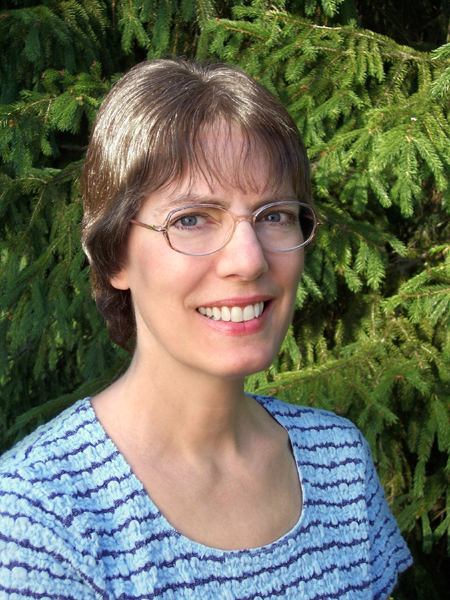
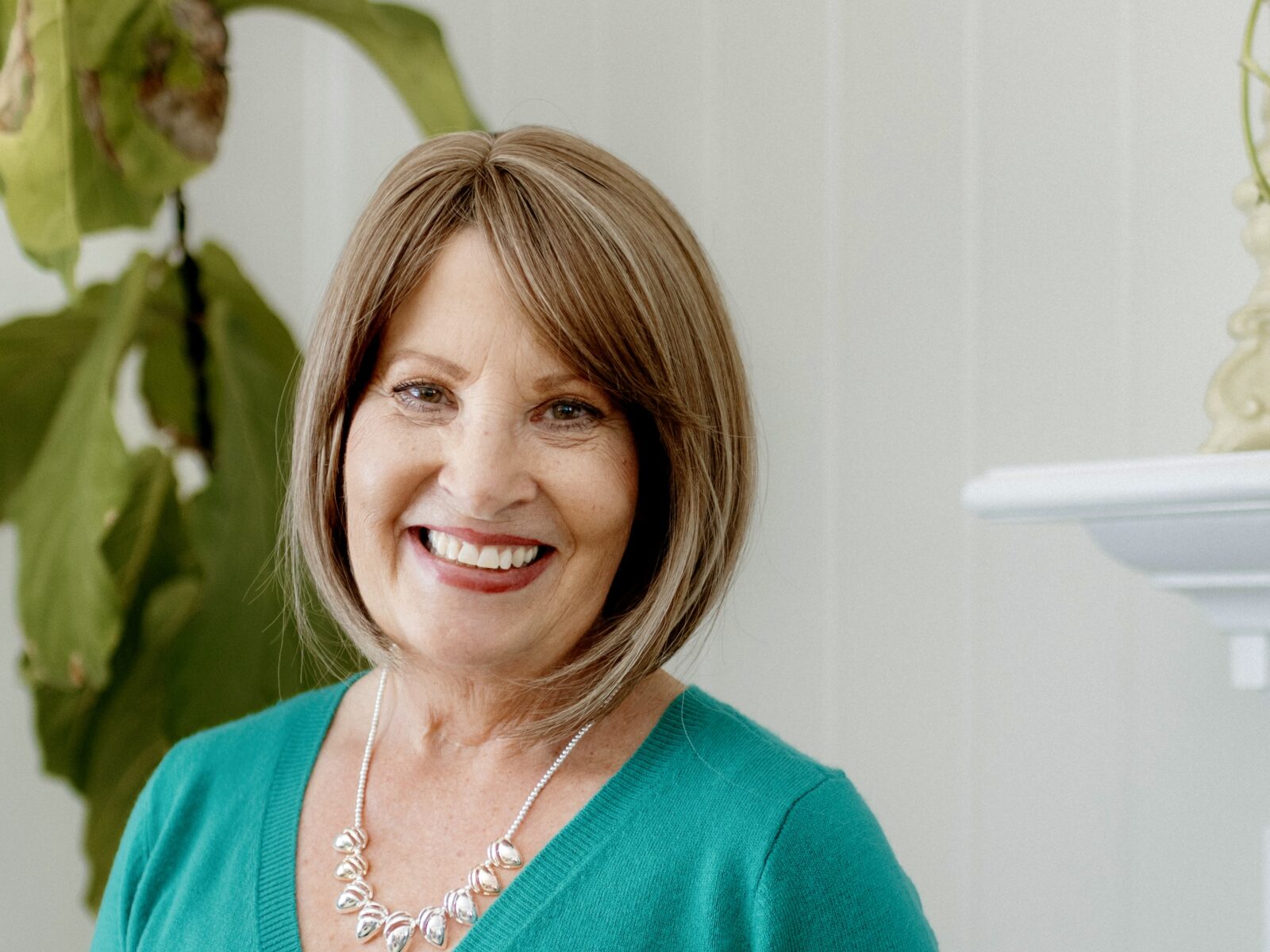
 Terri Wangard grew up in Green Bay, Wisconsin, during the Lombardi Glory Years. Her first Girl Scout badge was the Writer. Holder of a bachelor’s degree in history and a master’s degree in library science, she is back in Wisconsin after several years in Michigan, Utah, and California. Her WWII research included going for a ride in a B-17 Flying Fortress bomber. She is a member of the American Christian Fiction Writers and serves as the Carol contest coordinator and is secretary of the Wisconsin Southeast ACFW chapter.
Tell us about your newest book.
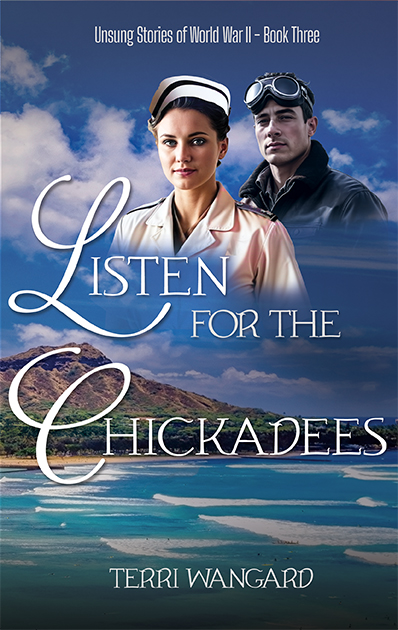
This is book three of my series, Unsung Stories of World War II, which follows three best friends who all become pilots in the war. This is John’s story and a best friend’s cousin trope. Gloria is a naval nurse aboard the hospital ship USS Serenity. She is at Pearl Harbor during the attack, believing the man she has loved since she was five is safe because the aircraft carriers are absent. Then, there he is, being helped to the aid station, bleeding. She’s always been his friend’s young cousin, but he begins to see her in a whole new way.
What inspired you to write your story?
I like unusual settings. So many WWII books are set in England or France. My current series is set in Brazil, Iceland, and the Pacific. Most of my WWII books feature aircraft and I’ve boarded several of them at air shows. For Listen For the Chickadees, Pearl Harbor held a lot of appeal. It’s sacred ground for Americans. I visited Pearl twice in the 90s and would love to return. So much has changed since then. Plus, I learned my grandfather was based in Hawaii one hundred years ago.
What genre do you focus on.
My debut novel, Friends & Enemies, was inspired by family history on the German side, using a dozen letters my dad found in my grandmother’s house. After that, I started writing a contemporary story, but an editor told me at a conference that if I wanted a contract, I would probably need a series. So I continued writing WWII books. Fortunately, I enjoy history. In fact, I was a history major in college.
Who is your main character, and how did you choose that name?
John Walsh and his friends, Daniel and Stefan, all have Biblical names and were tagged as the unholy trio by their third-grade teacher. Many are my characters receive names plucked from my family tree, and John is on several branches. Daniel’s cousin Gloria received her name because it seemed fitting. Both she and Daniel appear in my WWI book, The Storm Breaks Forth. She was just a baby introduced in the last paragraph, so it was fun bringing them back as young adults.
What is your work schedule like when you’re writing a book?
I am recently retired. Previously, I wrote for an hour before work a day or two a week, and on weekends. Now I have all day. Writing is interspersed with volunteer work as an ACFW contest coordinator and chapter secretary, and with preparing for this book launch. I still need to set aside dedicated time for reading.
What is the hardest part of being an author?
It used to be finding time to write, but now that I’m retired, it’s sitting down to write. There are so many distractions. But the hardest part comes when a book is ready to release. All the marketing tasks are daunting. Had I known when I started writing how much more is involved than simply writing, I’m not sure I would have continued.
What’s one thing your readers should know about you?
In terms of writing, I’m a stickler for historical accuracy. Personally, when I was in my early teen years, I was one of the top swimmers in Wisconsin.
What is your favorite pastime?
Reading, of course, is right up there. I enjoy bicycling, even in winter if the temperature is at least 40˚ and the roads are clear and dry. I like researching family genealogy, hence the knowledge of names to use in my novels. My first novel was inspired by family history.
Do you have other books? We’d love to know.
Promise For Tomorrow was my first series, featuring B-17 navigators based at Ridgewell Airfield in England. Wheresoever They May Be features a sailor, his Rosie-the-Riveter wife, her WAC sister, and a grasshopper pilot. From the research for that book, I wrote a novella, A Heart For the Sailor, which features a Winnie the Welder who builds submarines. I also have two World War I books, Roll Back the Clouds, about the Lusitania, and The Storm Breaks Forth.
What are you working on now?
I’ve recently completed a collection of novellas set in pre-WWII days. Now I’m working on a contemporary with a WWII tie-in. I’d started this before the novellas, but my critique partner had concerns about one of the characters, so I put in on the back burner and let it simmer for a year.
Website:
Link to book: https://www.amazon.com/dp/B0GLJ34YBT
Social media links:
Newsletter: https://mailchi.mp/1076843c6329/sign-up-for-terris-newsletter
Facebook: www.facebook.com/AuthorTerriWangard
Goodreads: www.goodreads.com/terriwangard
Instagram: @terriwangard
Pinterest: www.pinterest.com/terriwangard/
Website: http://www.terriwangard.com
Amazon: https://tinyurl.com/3ebe98dc
A Great St. Patrick’s Day Read for you!
 Happy St. Patrick’s Day! Want a fun Irish-focus story? Check out The Fabric of Hope: An Irish Family Legacy!

It’s my first novel, but if you haven’t read it already, here’s a little info about the story.
What inspired you to write The Fabric of Hope: An Irish Family Legacy? I swore I’d never write fiction, but never say never! My hubby and I went to a book talk/signing, and after we left, I jokingly said, “I could write a story about a quilt!” I then proceeded to tell him the entire story, and he said, “Well, write it!” Thus began my journey of writing The Fabric of Hope: An Irish Family Legacy.
How would you describe this book to someone in a 30-second blurb? The Fabric of Hope: An Irish Family Legacyis the story of a 1850s Irish immigrant and a 21st-century single mom who are connected by faith, family, and a quilt.
How did you research or plan your book? My cousins did lots of research on our ancestory, so that was the basis for the 1850s immigrants. But I did extensive research about the Irish potato famine, the history and culture, the customs, and so much more. I also visited Ireland and Wolfe Island, Canada, and my hubby and me event went to Ireland to see where it all began. It was an epic trip!
Who is your intended audience and why should they read your book? Any woman who enjoys historical and contemporary fiction would find The Fabric of Hope: An Irish Family Legacy interesting. The book is full of history, family, faith, and most of all, hope.
Do you relate best to any one of your characters? The Fabric of Hope: An Irish Family Legacy is based on my family story—my great great grandmother, Margaret, and loosely based on my story as well. The hardest part about writing Maggie’s story was not holding tooclosely to my story!
Do you have any photos of the setting of your book? The antique photo on the cover that represents Margaret is my grandmother. I have many, many photos of the setting on my website and Facebook pages.
Tell us about any places your characters visit that you’d encourage readers to visit. Northern Ireland, upstate New York, Wolfe Island, Canada, and Colorado Springs. By the way, all of my novels are set in the beautiful Thousand Islands in upstate New York. If you haven’t been there, you definitely should add it to your bucket list.
How does your personal experience enrich this book?Oh my! It’s all about personal experiences! The historical family, my ancestors, have six children from ages nine months to thirteen years. Can you imagine immigrating on a famine ship with six kids? And how did they feel leaving Ireland and moving to the New World? The contemporary character has her own struggles similar to my past. She’s a single mother who has lots of challenges, especially when her only daughter nearly dies in Africa. Yes, it is two stories of my personal journey in one novel.
What is your work schedule like when you’re writing a book? I’m a Morning Dove, so after working out at the Y, I spend most of my mornings and early afternoons plugging away on my computer, dreaming up a fine story, and creating characters that connect to the reader.