
Meet author Cathy Gohlke

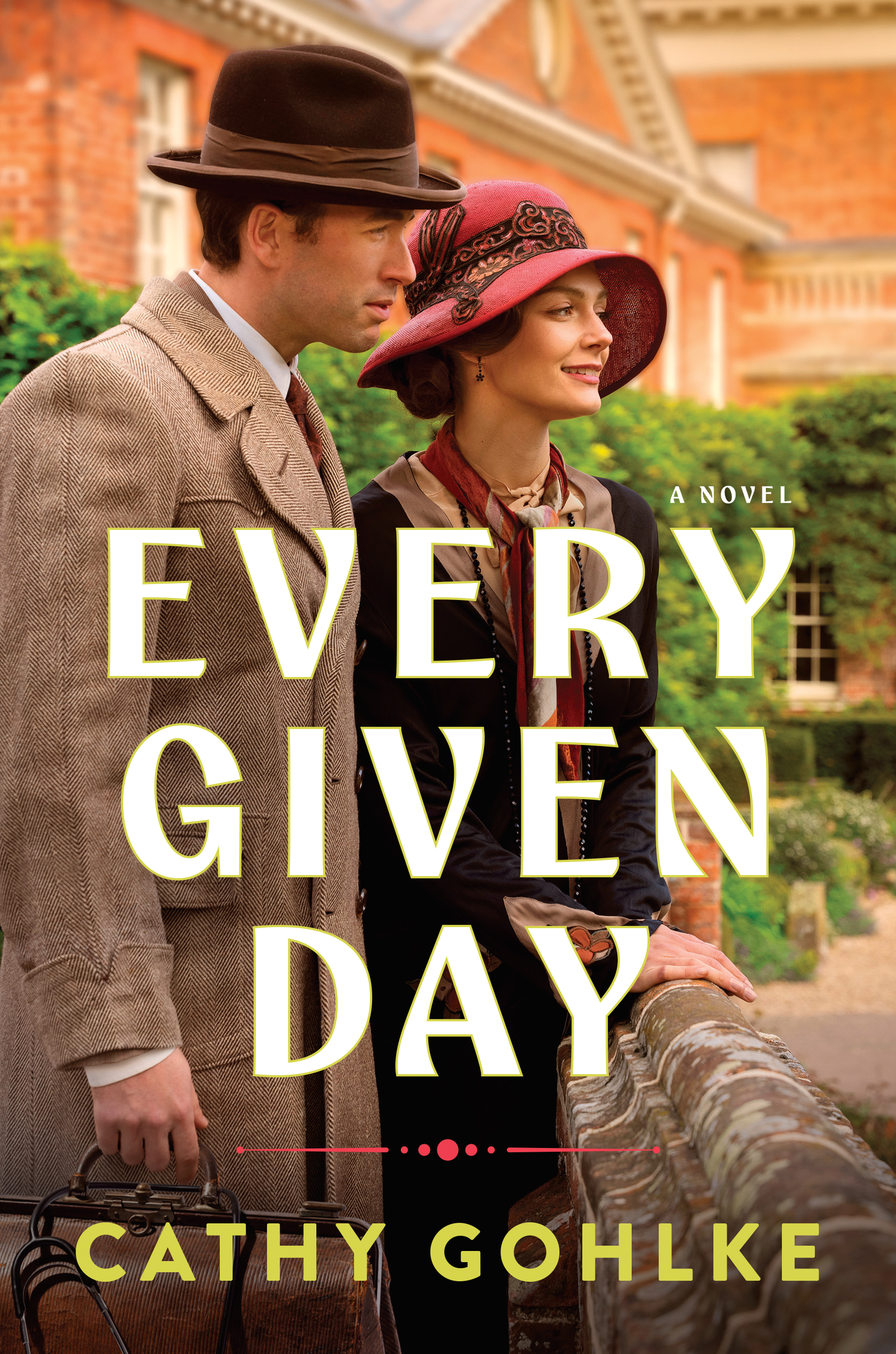
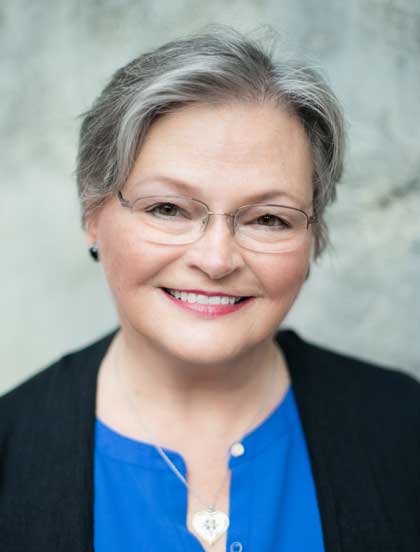 Bestselling Christy Hall of Fame, Carol and INSPY Award-winning author Cathy Gohlke writes novels steeped with inspirational lessons from history. Her stories reveal how people break the chains that bind them, triumphing over adversity through faith. Cathy, her husband and their dog, Maggie, divide their time between the Jersey Shore and northern Virginia, where they enjoy spending time with their grown children and grandchildren, and where she loves to garden. Cathy delights to meet virtually with book clubs and reading groups. If you’ve read any of her books and would like to meet virtually contact her at https://authorcathygohlke.com/contact/
Tell us about your newest book.
New York City, 1918. When schoolteacher Gwendolyn Armstrong learns of her sister’s worsening illness, she travels to Marion’s stately home to tutor her young niece and nephew, kept from school by the Spanish flu outbreak. Though the family lives in luxury, Gwen is wary of Marion’s sophisticated often-absent husband, Russell, who once cast Gwen aside for her sister, leaving wounds that never fully healed.
As Marion’s health declines, a sense of foreboding settles over the family. Gwen observes strangers coming and going from Russell’s study at all hours, and her lingering distrust turns to suspicion that he is hiding something that could threaten the family’s safety and security. But when the deadly flu claims victims among the family and mansion staff, Gwen and her nephew, Alistair are forced to accept terrible losses followed by—soon after—his own fatal diagnosis of juvenile diabetes.
When a compassionate doctor becomes both an advocate and friend, chasing down every promising development in the race for a cure for diabetes Gwen clings to each shred of hope. But as Russell’s clandestine dealings erupt into a shattering revelation, she must summon every ounce of courage she possesses. With Alistair’s life hanging in the balance, Gwen pleads for a faith she doesn’t yet possess, realizing she must surrender him to God and the possibility of a miracle that could save him and reshape her future in ways she never imagined.
What inspired you to write your story?
After a bout with COVID and a viral infection, my eight-year-old granddaughter developed symptoms we couldn’t explain: sudden weight loss despite an enormous appetite, insatiable thirst, frequent urination, dry skin with bleeding knuckles, and finally less emotional control. We thought her recent illness, a huge growth spurt, and winter’s dry weather were the culprits, but blood and urine tests revealed off the chart glucose levels and ketones. With only a day of grace remaining, she was diagnosed with Type 1 diabetes and given lifesaving insulin through an IV drip. The months that followed changed everything for her and for her parents. My granddaughter’s heroic journey through diabetes along with that of her parents and the miraculous, lifesaving discovery of insulin just over one hundred years ago inspired Every Given Day.
What genre do you focus on.
Historical fiction. I love researching and sharing current concerns in the light of history. Because history so often repeats itself it’s never difficult to find a time or event from the past that reflects what we’re experiencing today. I believe it’s often easier to see solutions to current problems when we have the advantage of the time and distance history provides.
Why do you write?
I write because I must. Writing helps me make sense of the world and the many voices in my head. When I write I feel God’s pleasure, as if we’re co-creating, as if He reveals His heart to me and I, as a scribe, record my sense of His love for us through story.
What is your work schedule like when you’re writing a book?
Once upon a time, I wrote with a definite work schedule—certain hours of the day, certain days of the week. Now that I’m a grandmother frequently involved in the lives of my grandchildren and my daughter who homeschools them, I write whenever I can. I’m freshest and most creative in the early morning and when I can hole up in my office for long blocks of time, keeping my head in the story. It’s a tricky balance, but I love the life I’ve been given.
What is the hardest part of being an author?
The hardest part of being an author for me is balancing writing with real life. Characters and plots become so real to me that I feel I’m living in two worlds—story world and real world. To write I need to keep my head consistently in the story. Needs of family and daily life break that concentration, which I find disorienting. On the other hand, I love my family and my life, and I find it difficult and sometimes sad to pull away from them to step into story world.
What’s the best part of your author’s life?
I love the thrill of discovering the issue or concern that the Lord presses on my heart, then researching the background/setting/time period that relates. I love discovering the story that springs from that research. I love the joy of getting to know and understand new characters and the surprises they bring to the page—twists and turns to the plot that I never imagined when I first contemplated the story.
How have you changed or grown as a writer?
When I began writing my first novel, I intended to write for young adults with the hope that my book would be used in schools and libraries. I did not intend to write Christian fiction. But as I wrote that first chapter in William Henry is a Fine Name (Underground Railroad story) my main character wondered about things like the color of his soul, and if that differed from the color of his Black best friend’s soul. He wondered about Jesus going in search of a lone, lost lamb and other things. I was in a writing group at the time and participants urged me to get rid of those things, telling me the book would never sell. I tried rewriting that chapter five times, but each time the character turned the story back to God. I realized then that was where I was gifted and should head in my writing—Godward—and I’ve never looked back. I’m thankful to say my book has been and continues to be used in schools and libraries. God knew best.
What is your favorite pastime?
Besides writing I love spending time with my grandchildren—no matter what we’re doing—and gardening. Time spent with either is beautiful and creative.
Do you have other books? We’d love to know.
I do. Every Given Day is my thirteenth novel. My first two books were YA, stories concerning the Underground Railroad (William Henry is a Fine Name) and Civil War (I Have Seen Him in the Watchfires), both Christy Award Winners. After those I wrote historical fiction for older teens and adults—stories placed in time in the Edwardian Age, Titanic Era, WWI, 1920s, WWII and 1940s, 1992, and with settings in a number of places—England, France, Germany, Poland, Nova Scotia, North Carolian Appalachia, Connecticut, Virginia Blue Ridge Mountains, Chicago and New York City. You can find a full listing of my books on my website at https://authorcathygohlke.com/christian-fiction-cathy-gohlke-books/
What are you working on now?
I’m working on a book that early focuses on the infamous Black Sox Scandal—the throwing of the 1919 World Series by some White Sox players—the baseball series that inspired W. P. Kinsella’s book, Shoeless Joe, and later the movie, “Field of Dreams.” My story is told from the viewpoint of a girl and her dad, one in desperate search of love and a hero and the other knowing just how vulnerable heroes can be. Ultimately there is only One we can fully trust, One who will never let us down, One who will never leave or forsake us. It is the journey to that realization amid danger, intrigue, and a bit of romance that Annie must make.
Website: https://authorcathygohlke.com
Link to book: https://authorcathygohlke.com/books/every-given-day/
Social media links: https://www.facebook.com/CathyGohlkeBooks
https://www.bookbub.com/profile/cathy-gohlke
https://www.instagram.com/cathy_gohlke/
Meet author Lynne Tagawa

Screenshot
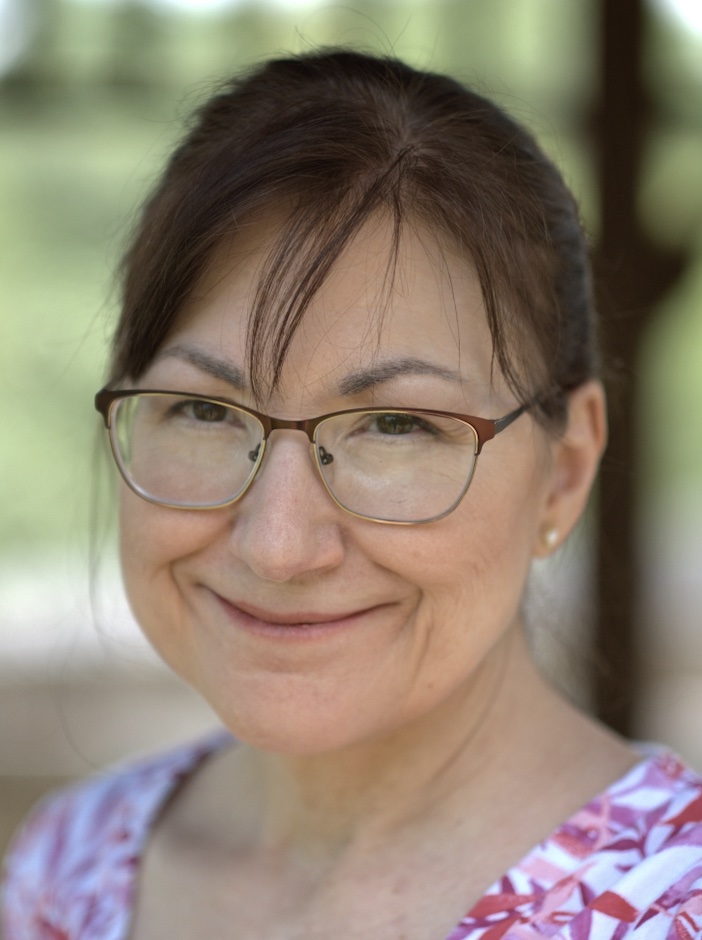
 Lynne Tagawa is an educator, author, and editor living in South Texas. She’s a mom of four and a grandma to six who loves writing historical fiction with a theological emphasis. A Fallen Sparrow: A Novel of the American Revolution, is a 2023 Selah Awards finalist, and The Root of the Matter: The American Puritans Book One, won the 2025 Angel Book Award for speculative fiction. Lynne sometimes falls down rabbit holes in her research, and her husband enables her by ignoring the dust. Coffee and chocolate, in that order.
Tell us about your newest book.
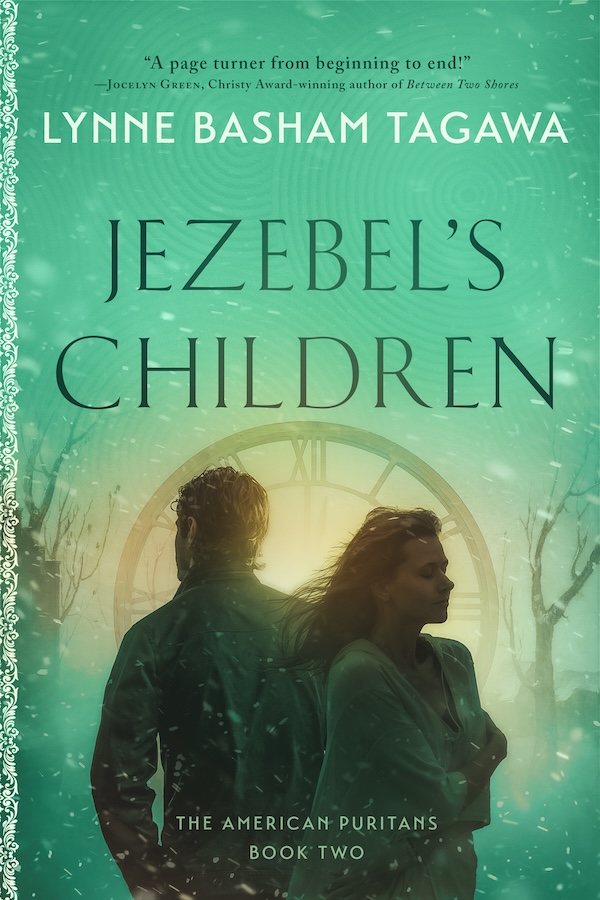
Jezebel’s Children: The American Puritans Book Two is the second in a series spotlighting the New England Puritans and what they went through during the 1600s. It focuses on the minister John Cotton, his arrival in the Massachusetts Bay Colony, and the problems when Anne Hutchinson nearly split Boston in two.
What inspired you to write your story?
Anne Hutchinson is a controversial person. Some celebrate her as an early feminist. I don’t, but I was concerned when I first read an excerpt from her trial. I esteem Governor John Winthrop, but here he seemed hard. What was really going on?
What genre do you focus on.
I write historical fiction. I like to bring history to life. When I first chose to write about the 1600s, I was stumped. I like to place the minds of my readers into that time period. It was difficult this time—until I had a flash of insight. Time travel. It worked.
Why do you write?
I am not sure I know. I am a former classroom and homeschool co-op teacher, and part of me still wants to communicate with students. Stories are such marvelous ways of doing that. Only now my “students” are of every age.
Who is your main character, and how did you choose that name?
Geneva Fielding is an archivist who preps time travelers for their location and time period. But now, she goes back in time too, along with her romantic interest, Peter, a physicist. The name Geneva is meaningful because the Puritans were very aware of recent church history. They cherished the Reformation, which they were trying to continue. Geneva, Switzerland, was a hub for religious refugees in the 1500s, and an important English translation of the Bible is the Geneva. John Cotton must have owned a Geneva Bible.
What is your work schedule like when you’re writing a book?
My work schedule is crazy. Because I am an indie author, I do many things, not just write. I must edit, arrange for a cover, market, advertise, and in the case of a recent anthology (The Design of Providence) I must communicate with the others in the group. But it’s fun!
What is the hardest part of being an author?
Being satisfied with small gains. I can spend an hour on three paragraphs.
What’s the best part of your author’s life?
Getting feedback from someone I respect that they loved my story. I have such self-doubt, and it’s a lot of work to get a manuscript whacked into shape before I throw it out into the void.
What’s one thing your readers should know about you?
I let my hair go gray. My headshot lies. I’m a grandma now and I embrace it.
How have you changed or grown as a writer?
I am more ready to receive correction and more willing to give help. As Thomas Umstaddt says, “It is more blessed to give than to receive,” and he was referring to marketing and everything a writer is involved in. That stuck with me. It is certainly biblical.
What is your favorite pastime?
The only other hobby I have besides writing is music. I have managed to keep playing the flute over the years. I accompany our pianist on preludes. Occasionally, we are pressed for time. She flips the page and points. How many flats? I manage somehow.
Do you have other books? We’d love to know.
I have an 18th-century series—not time travel—just a straight third-person trilogy, starting with the Great Awakening and ending with the American Revolution.
What are you working on now?
I am working on the third in the Puritan series, focusing on the Salem witch trials. Lots of research!
Website: www.lynnetagawa.com
Link to book: TBD
Social media links: https://www.facebook.com/lynne.tagawa X: @LynneTagawa
Meet author Shannon McNear
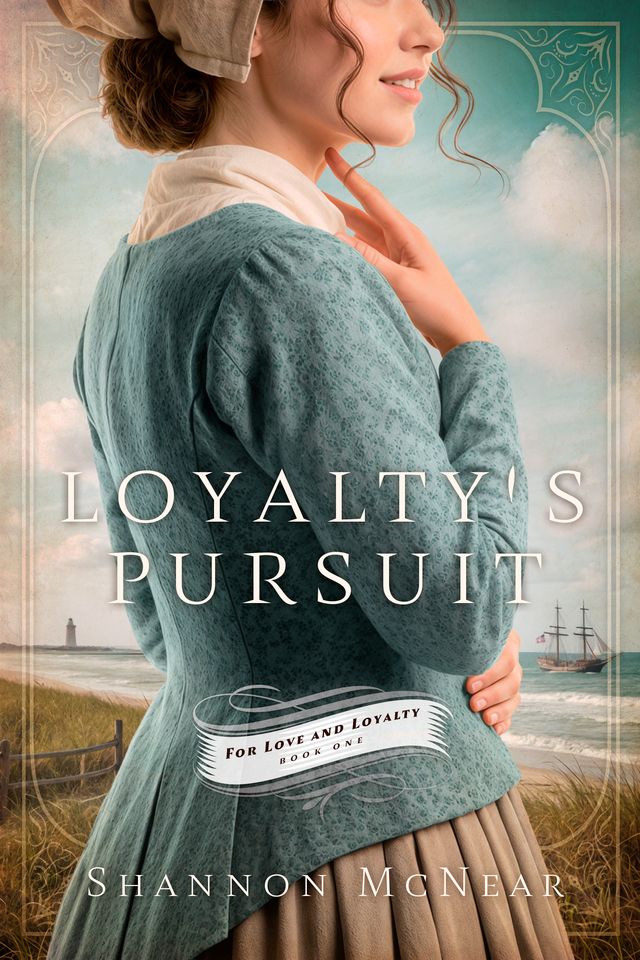 Transplanted to the far north after more than two decades in the Deep South, Shannon McNear loves losing herself in local history. She’s the author of six novellas and eight full-length novels, with a RITA nominee and a 2021 SELAH winner among them. Her greatest joy, however, is in being a military and pastor’s wife, mom-of-many, mother-in-law, and grammie. When not cooking, researching, or leaking story from her fingertips, she enjoys being outdoors, hanging out with her grandbabies and basking in the beauty of the northern prairies.
Tell us about your newest book.
Loyalty’s Pursuit is book 1 of For Love and Loyalty, set against the Southern Campaign of the American Revolution, and from the British and loyalist viewpoint. August 1780. After the Battle of Camden leaves British camp follower Bess Eaton widowed, expecting a child, and stranded in enemy territory, she faces two impossible choices: a return to an England that offers her nothing…or marriage to a stranger before the army marches on without her.
Backcountry loyalist Rob MacFarlane has already buried a wife and son and has no intention of risking his heart again. But he can’t ignore the vulnerable widow in his path. What begins as an act of duty quickly becomes something far more complicated when he offers Bess protection—and a name. As war rages and the British cause begins to crumble, their fragile alliance is tested at every turn. Loyalties fracture. Faith is questioned. And the lines between enemy and neighbor blur. To survive, Rob must decide what allegiance truly costs—and Bess must choose whether she can trust not only the man she married…but the God she’s never fully known.
What inspired you to write your story?
A visit more than 20 years ago to the British encampment of the 225th Anniversary of the Siege of Charleston—a massive living history event spread across three adjoining plantations on the Ashley River in the Lowcountry of South Carolina. A young man we met there, in character as a British officer, shared what I later learned was a popular reenactor myth, but this story was already in process by the time I learned the truth. 😊
What genre do you focus on.
Currently, historical and historical romance. Part of it is the opportunities for publication, and partly just how the Lord has seemed to lead the last few years.
Why do you write?
Because the stories demand to be written. Or, the characters just won’t shut up. 😊 I suppose that amounts to the same thing.
Who is your main character, and how did you choose that name?
Bess Eaton—a good, solid, English moniker on both accounts. Her full name was Elizabeth Sarah Whiting but everything was invariably shortened. (I’ve had an Elizabeth in a previous story, but she went by Lizzy.)
What is your work schedule like when you’re writing a book?
It has varied depending on the season of life and family needs. Right now there isn’t much actual schedule—although I could use one! (We’re in the midst of trying to sell two houses in different states, and our work there is very dependent on weather and my husband’s ministry schedule.) Ideally I’d love being able to get up earlyish and compose story on the page before the day takes off and runs away with me.
What is the hardest part of being an author?
Deadlines. The need to keep producing, even if (or when) I’m exhausted or burnt out. (This is not a complaint for the ways the Lord has opened doors for me to continue being contracted!)
What’s the best part of your author’s life?
My readers! Getting to hear how my stories have touched someone else’s life. Writing is such a solitary endeavor, but ultimately we write to be read.
What’s one thing your readers should know about you?
I’m an incurable nerd, and that will always come through in my stories. I’m so sorry. 😊
How have you changed or grown as a writer?
First, I’ve learned that being published is not the destination—it’s a signpost on a greater journey, and represents a higher level of responsibility as an author and a believer in Christ. Second, I’ve grown in my writing craft (greatly!!) since the early years. (I started my first novel at age 15, and the Lord made me wait 30 years for that first contract.)
What is your favorite pastime?
Making homemade soup (including the stock), baking sourdough breads, birdwatching, spending time with my kids and grandkids.
Do you have other books? We’d love to know.
I do—6 novellas, and 7 full-length novels, all Christian historical or historical romance, available in various formats on Amazon etc.
What are you working on now?
Loyalty’s Sacrifice, the sequel to Loyalty’s Pursuit. This will be Susanna’s story.
Website: shannonmcnear.com
Link to book: http://www.amazon.com/Loyaltys-Pursuit-Love-Loyalty-Book-ebook/dp/B0GX2WXTDQ
Social media links:
http://www.facebook.com/ShannonMcNearAuthor
https://www.instagram.com/shenandoahdawn/
http://www.goodreads.com/author/show/6880909.Shannon_McNear
http://www.bookbub.com/profile/shannon-mcnear
http://x.com/Shenandoah_Dawn
https://www.amazon.com/stores/author/B00BK9VRZ2
Meet author Blossom Turner
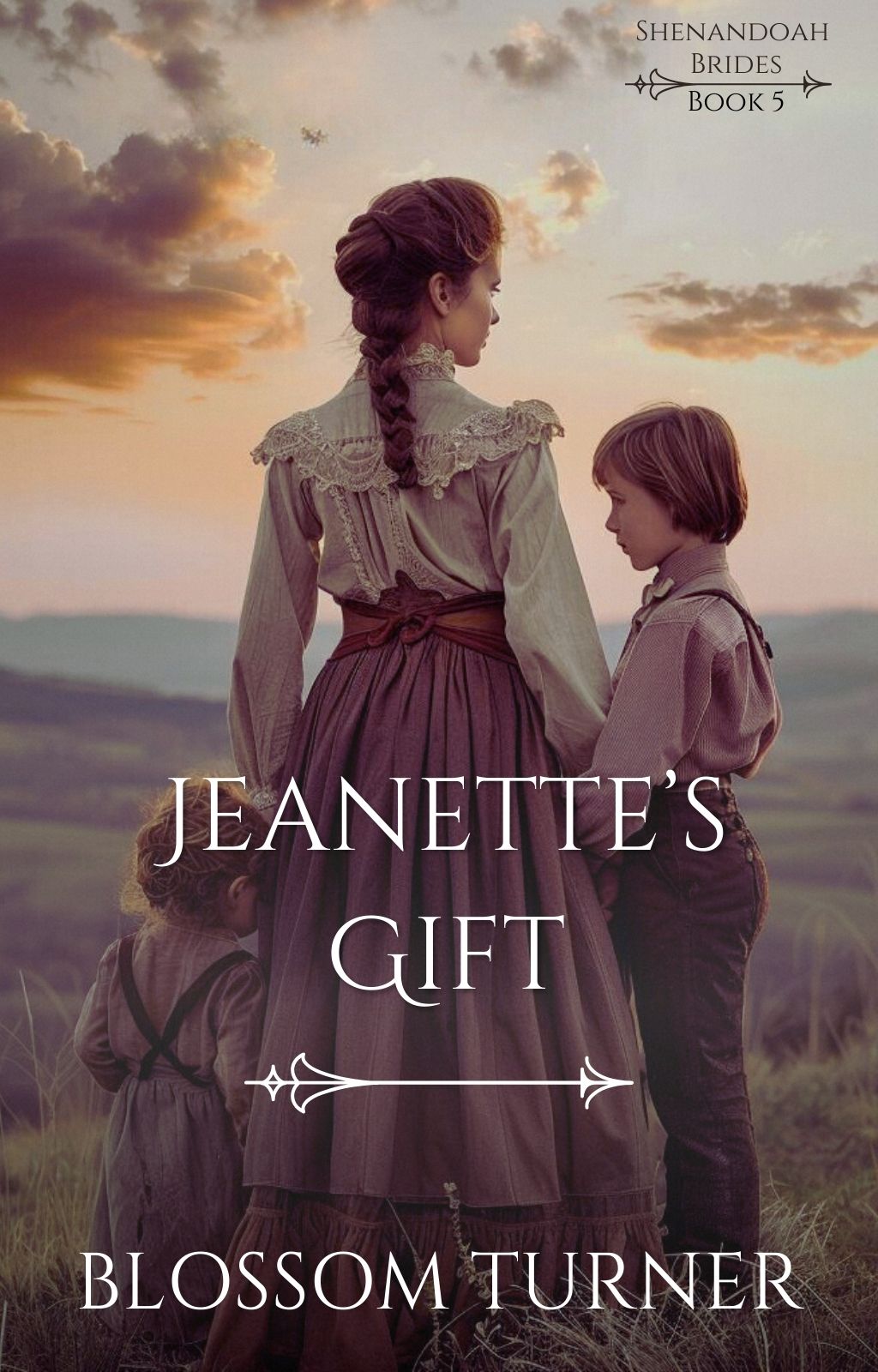
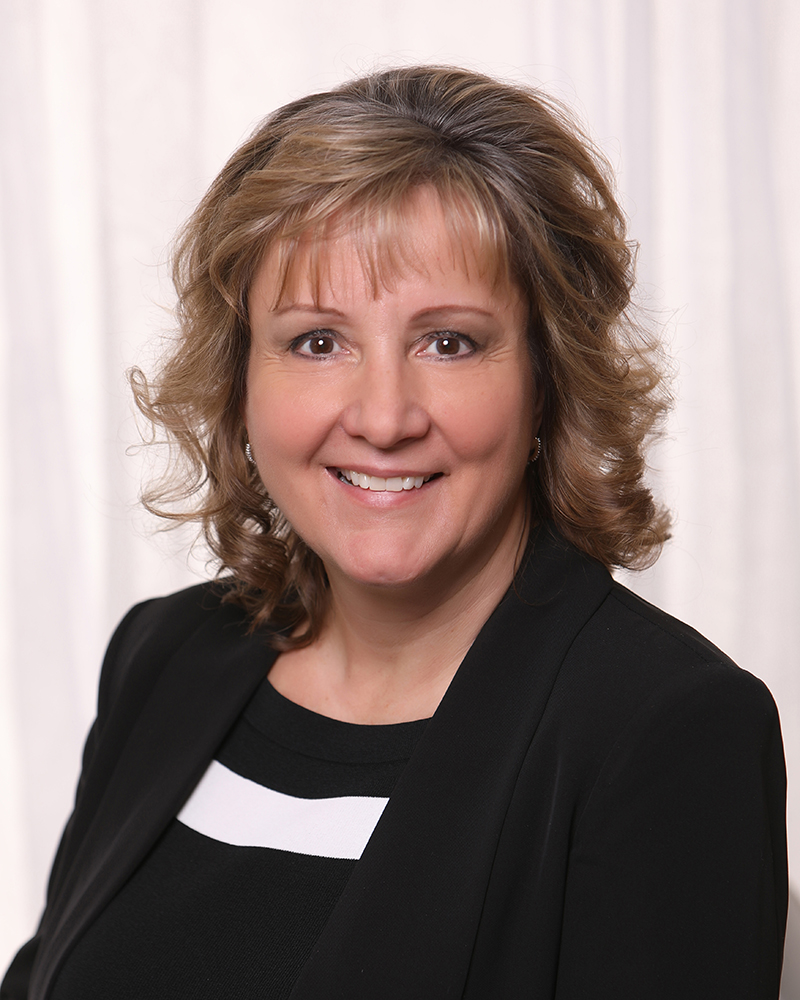 Blossom Turner is a multiple-time award-winning author who began her writing career later in life. An adventurer at heart, she enjoys skydiving, gardening, and singing for fun. Her work has appeared in anthologies, devotionals, and as a newspaper columnist. Today, she writes fiction with purpose—stories filled with faith, love, hope, and deep relationships. She is the author of the award-winning historical romance series The Shenandoah Brides and The Victory Series, a gripping trilogy that brings spiritual warfare vividly to life. She and her husband, David, live in beautiful British Columbia, Canada, with their Shepherd/Bernese dog, Lacey.
Tell us about your newest book.
Step into a world where the unseen is more real than the visible…The Victory Series follows Mara from a wounded child in small-town Canada to a woman fighting for her faith, her family, and her soul. What begins as survival in an abusive home becomes a lifelong battle against dark spiritual forces determined to destroy her.
As Mara grows, so does the war around her—angels stand guard, demons scheme, and every choice carries eternal weight. Through love, loss, and unimaginable trials, she must decide: will she trust God, or be overcome by the darkness pursuing her? Gripping, emotional, and deeply faith-driven, this Christian suspense series will stir your spirit, strengthen your prayer life, and remind you—the battle is real, but so is victory.
What inspired you to write your story?
I felt that God stopped me in my tracks from beginning the next book in my beloved historical romance genre. I was to place that aside for a season to be a co-author with Him and bring awareness through story, of the reality of spiritual warfare. It is a unique compilation of one life (Mara) taken from birth until she reaches glory.
Why do you write?
I write, because I can’t not write. My whole life I have journaled, wrote poetry, short stories and had that pen flowing. It was a surprise gift from God to be given this late-in-life career. What a joy to be doing what I love, writing novels that entertain and share the incredible love of God.
Who is your main character, and how did you choose that name?
Mara is the main character’s name. It comes from the Biblical meaning of “bitter.” She was a bitter arrival to her mother, but an incredible gift to the world.
What is your work schedule like when you’re writing a book?
I write in the morning, do some marketing in the afternoon, and basically be open to having this schedule rewritten by God on any given day. LOL
What is the hardest part of being an author?
The hardest part is the marketing. I hate blowing my own horn as the saying goes. However, if I write for God and the world does not know the book is out there…that does not work either. And so I do my best with the marketing end of things, but do not enjoy the process.
What’s one thing your readers should know about you?
I love helping people. I am an ambivert. I can blend well into a crowd yet love my solitude. My writing career has provided the perfect balance. I can sequester away to write, and then have the energy to teach Bible studies, care for the broken, and pour out my love on others.
What is your favorite pastime?
Gardening. Writing. Reading (but of course.) And loving on people.
Do you have other books? We’d love to know.
I started out writing an award-winning contemporary Romance called Anna’s Secret. (Still one of my favorite stories.) Then I wrote an award-winning five-book historical romance series called the Shenandoah Brides (publisher WHB). Then the Victory Series, Book one, Mara The Unseen Battle, Book Two, Mara in the Face of Battle, and book three, Maranatha the Victory Battle. Thanks be to God that the series has already started out by placing 2nd in the Christian Indie Awards.
What are you working on now?
I am working on a new historical romance series with my WHB publisher. The setting is on Jekyll Island during the Edwardian Era. The island at that time was privately owned by the extremely wealthy, making for great story telling of the rich and famous during that time. I weave in some real people amidst a story all of my own creation. You can get a free copy of the prequel novella Christmas at the Jekyll Island Club on my website.
Website: https://blossomturner.com
Link to book: https://www.amazon.com/dp/B0DPNM3V5Q
Social media links:
Amazon Page
Facebook: https://www.facebook.com/blossom.turner/
Instagram: https://www.instagram.com/blossomhoneybee/
X (Twitter): https://x.com/BlossomHoneyBee
Goodreads: https://www.goodreads.com/author/show/19080116.Blossom_Turner
Meet author Melanie Dobson
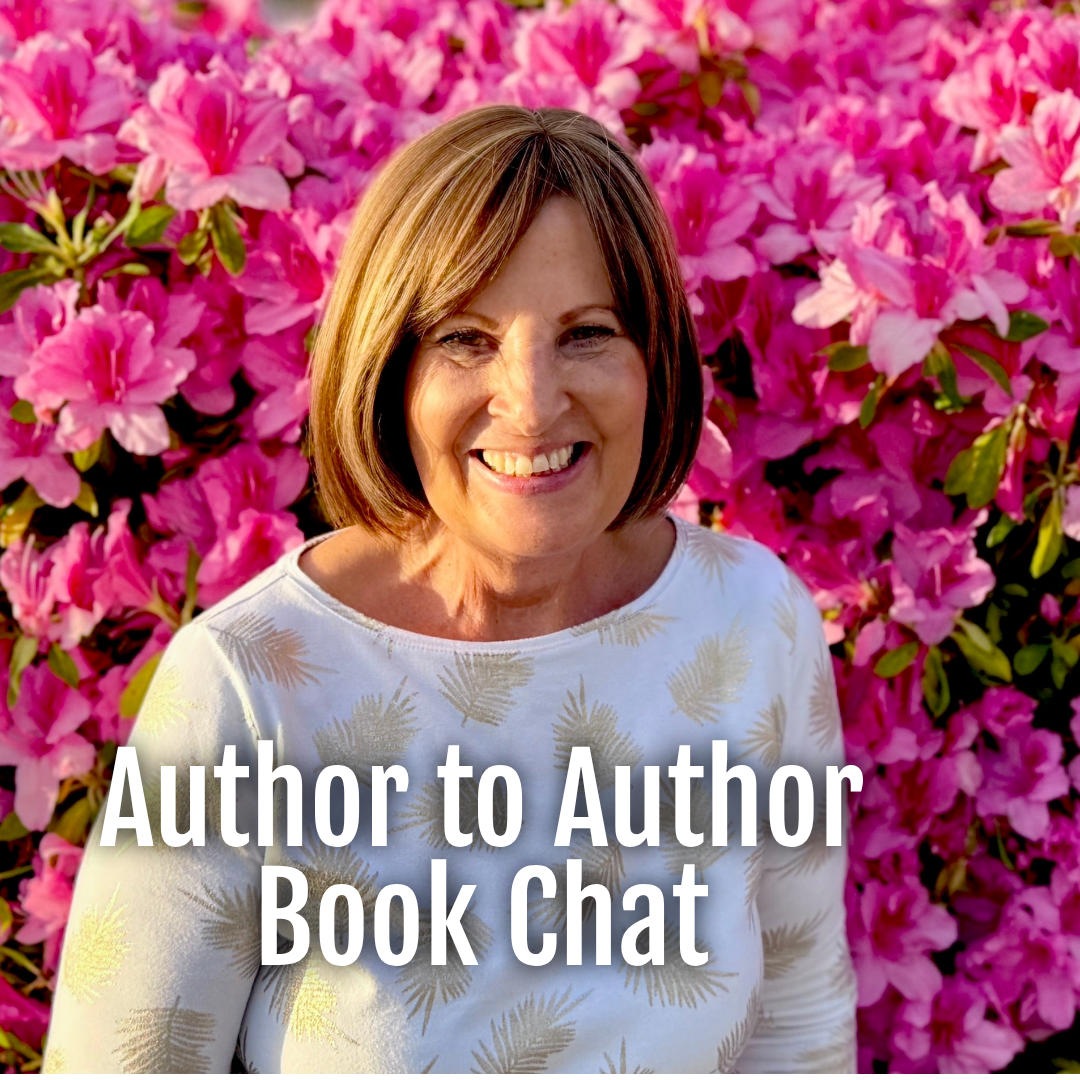
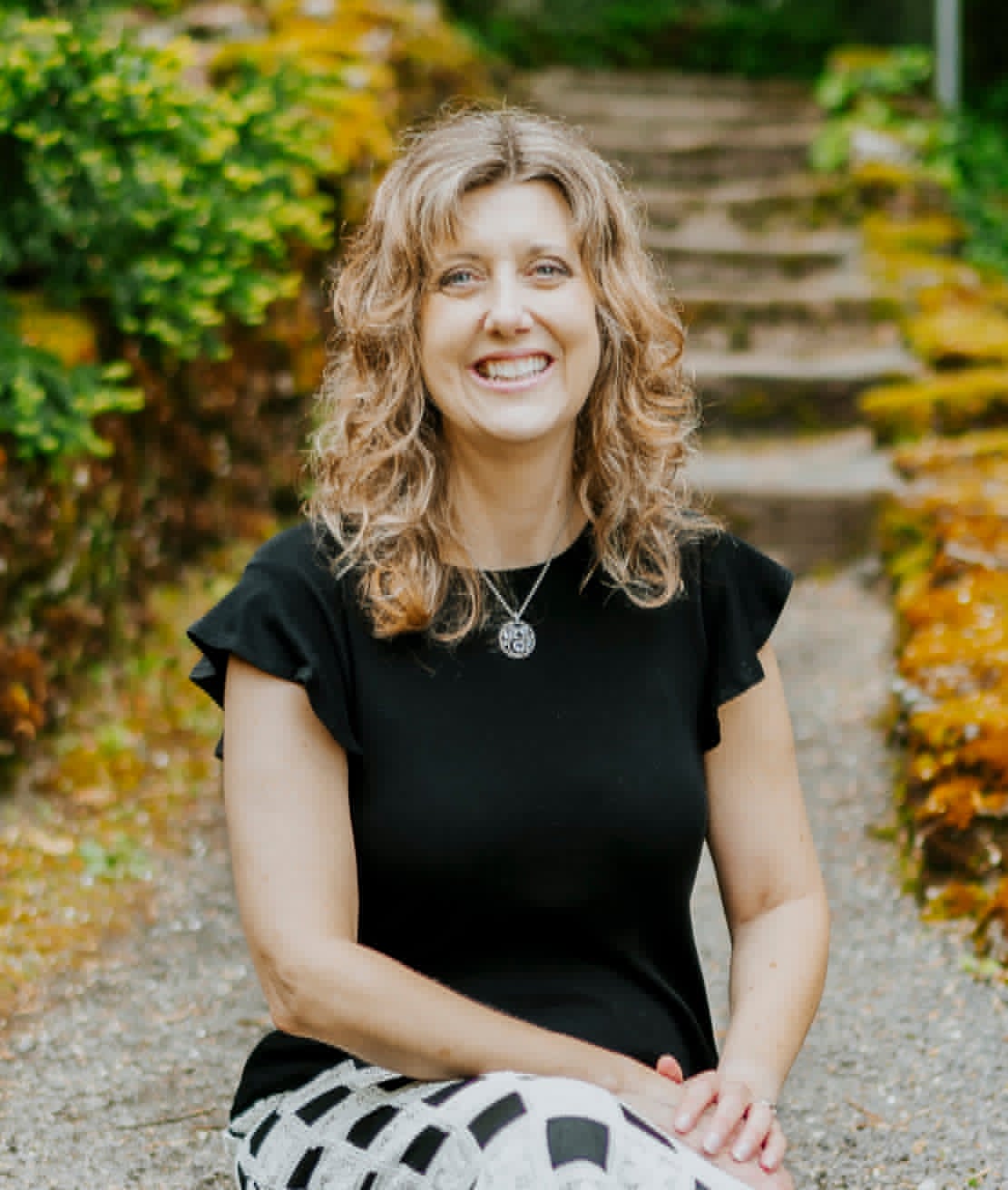
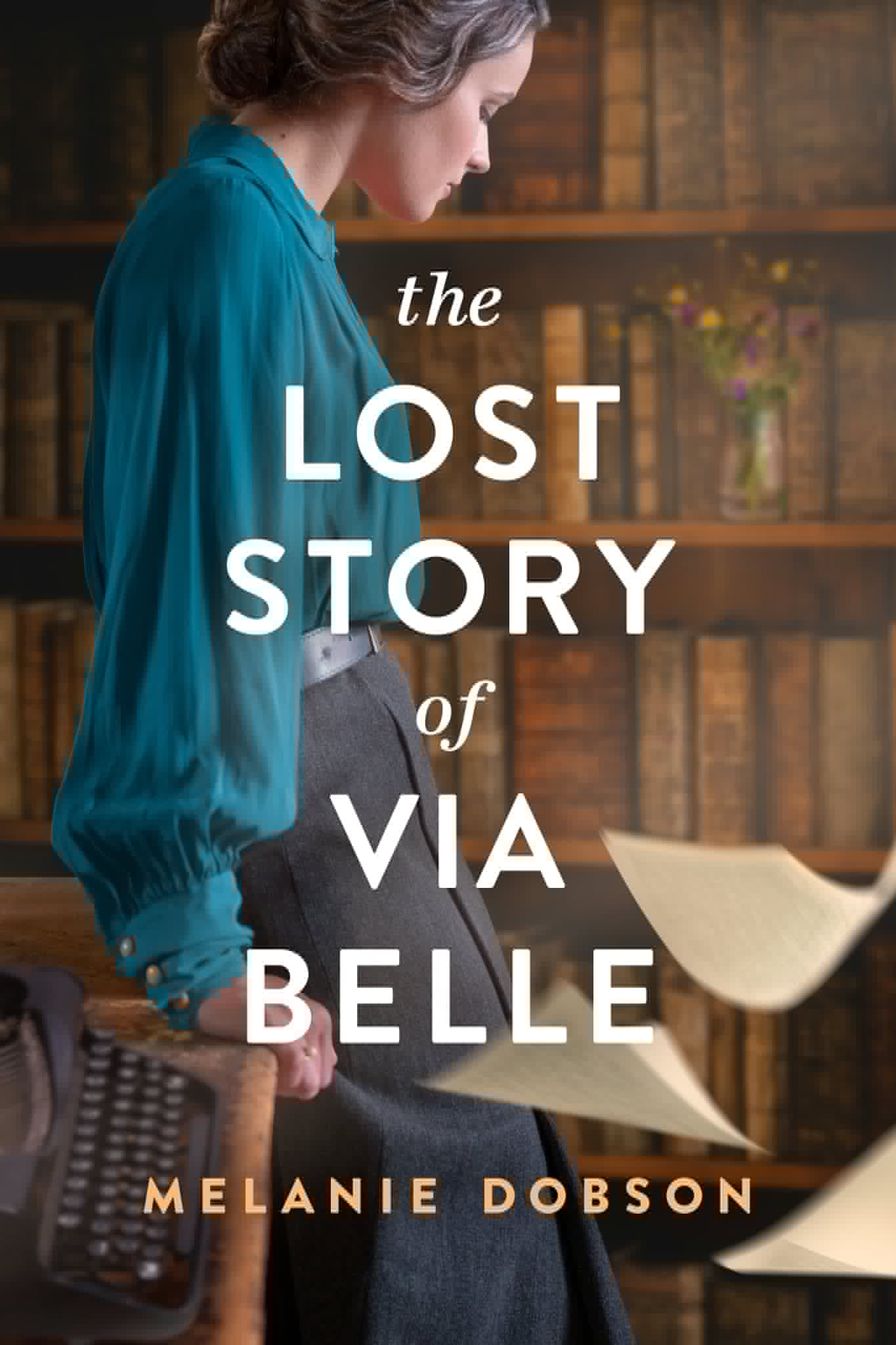 Writing fiction is Melanie Dobson’s excuse to explore old houses, tour unique locations, and immerse herself in research. The award-winning author of thirty novels, Melanie enjoys weaving together historical and time-slip stories including The Lost Story of Via Belle, The Wings of Poppy Pendleton, and Catching the Wind. When she’s not writing, Melanie enjoys traveling with her family and teaching as an adjunct professor near her home in Oregon. For more information or to sign up for her quarterly newsletter, visit melaniedobson.com.
Tell us about your newest book.
The Lost Story of Via Belle is a dual-timeline mystery about a romance novelist named Via Belle who went missing in the 1940s. Harper Rayne, a screenwriter in 2006, determines to find out what happened to Via, and as she digs into her past, Harper uncovers a labyrinth of secrets across decades and a missing piece of her own story.
What inspired you to write your story?
The main character (Via Belle) was inspired by the life of Grace Livingston Hill, a Christian novelist I used to binge-read as a tween. Grace wrote mysterious, romantic, and often historical novels that always, always had a happy ending. I wanted to be just like her when I grew up until I discovered her real life wasn’t nearly as romantic as her fiction. Grace experienced tremendous grief in marriage and was frequently criticized for writing inspirational stories during the rise of steamy pulp fiction, but she remained faithful to her calling, ultimately publishing more than a hundred novels. When she passed away in 1947, she was working on Mary Arden. Her daughter Ruth finished that final novel.
Once I became a novelist, I wanted to write a book inspired by the turmoil, loss, and redemption in Grace’s personal story. After visiting her home and writing space in Pennsylvania, my idea grew into this mystery about a novelist named Via Belle who slowly realizes, after marrying her second husband, that she’s been manipulated into a dangerous scheme. I wrote about Via and the woman, sixty years later, who begins to search for Via’s lost story.
What genre do you focus on.
I write from an innate desire to bring order to chaos and confusion, especially when it comes to finding out the truth about a past secret that impacts the well-being of future generations. Because of this, I enjoy writing time-slip fiction with a significant past conflict and contemporary characters who are searching for answers about what happened long ago. My desire is to weave together redemptive stories with the threads of mystery, romance, and suspense.
Why do you write?
I can’t seem to help myself! I’ve been writing stories since I was a child. Each time I try to take a break, another story idea pops into my head and I have to pour it out onto paper.
What is your work schedule like when you’re writing a book?
My schedule fluctuates, but I usually spend about a month reading, interviewing experts, and visiting the location. Then I develop my character profiles and the beginnings of a plot. Once I release my characters on the page, I write about 2,000 words a day to discover what happens to them.
How have you changed or grown as a writer?
One thing I love about writing historical fiction, in particular, is that I learn something new almost every day. I give myself permission to do a lot of mental wandering as I grow a story, and while it’s not always as smooth as I’d like, I’ve learned to shift a little faster over the years between my dreaming, writing, and editing work.
What is the hardest part of being an author?
The most challenging part of writing fiction is the actual writing! I love to dream up plot ideas, build characters, explore settings, and spend weeks immersed in historical research. But sitting down and putting words on the page is hard work. I have a lovely home office overlooking a wildlife refuge, but often I need to write at a local coffee shop so I don’t derail myself with distractions.
What is your favorite pastime?
I love kayaking, traveling, and exploring old and sometimes abandoned places. All of the wondering and wandering ignites my creativity.
What are you working on now?
I’m finishing two books this summer. The first is a novel about the 19th-century religious community that launched the Oneida silverware company. The second is a stormy time-slip mystery about a girl in Oregon who is separated from her family during Astoria’s Great Fire.
Website:
Melaniedobson.com
Link to book:
https://melaniedobson.com/books/the-lost-story-of-via-belle/
Social media links:
https://www.facebook.com/MelanieDobsonFiction
https://www.instagram.com/melbdobson/
Meet author Liisa Eyerly

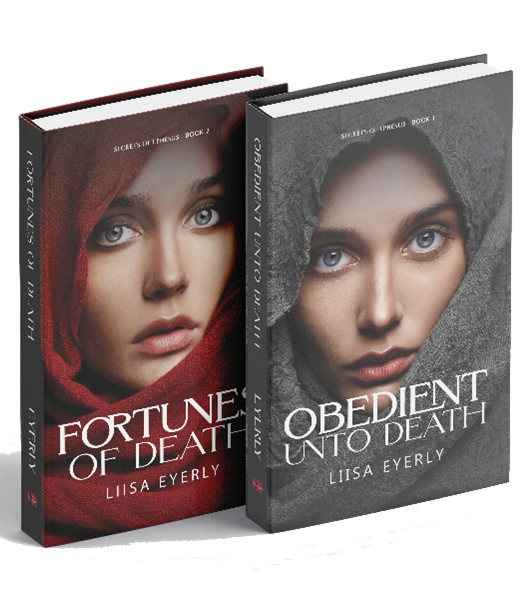
 Liisa Eyerly writes award-winning historical murder mysteries that blend the intrigue of Agatha Christie with the faith-filled depth of Francine Rivers. Her debut novel, Obedient Unto Death, won the Eric Hoffer First Horizon Award and first place in Spiritual Fiction, launching her Secrets of Ephesus series set in the first-century Roman Empire. A former teacher, librarian, and small business owner, Liisa now writes from northern Wisconsin, where she lives with her husband and a tenacious Border terrier. Through rich research and vivid storytelling, she weaves history, faith, and suspense—leaving reviewers to warn: prepare to be hooked.
Tell us about your newest book.
Powers of Death is the third in the Secrets of Ephesus series, where early Christians walk a razor’s edge between faith and survival. Awakened in the middle of the night, Sabina, my Christian sleuth, is plunged into a murder and cover-up of a childhood friend found murdered and floating in the pool of a luxurious private bath complex. Set amidst the political turmoil of Emperor Domitian, the secret Christian church in Ephesus draws the authorities’ attention, and no one cares about one drowned woman. Sabina follows suspects and clues into the courts of an incense-laden temple to Isis, with its eunuch priests and midnight initiations. Sabina risks everything to expose murder, betrayal, and corruption beneath the empire’s glittering surface.
What inspired you to write your story?
The series began with a cluster of “what ifs.” What happened to the church after the apostles were gone? How did ordinary believers endure persecution, political pressure, and Rome’s seductive culture? And who risked everything rather than renounce their faith? Those questions led me to Ephesus in 96 AD—a cosmopolitan city where paganism, imperial power, and the young Christian movement collided. Paul had once shepherded a vibrant but vulnerable congregation there. It was the perfect setting for mystery: bustling markets, hidden house churches, restless crowds, and a legal system ready to crush dissent.
What genre do you focus on.
My lifelong love of historical whodunit mysteries collided with my faith when I realized something was missing. The Roman-era mysteries I devoured rarely included Christian characters—yet the world of the New Testament pulses with drama, betrayal, danger, and a faith bold enough to defy an empire. Who were the men and women willing to risk execution rather than renounce their beliefs? What courage—or desperation—compelled them? What secrets did they carry? Those questions would not leave me alone. They ignited countless murder scenarios in my imagination. And when I couldn’t find the stories I wanted to read, I decided to write them myself.
Why do you write?
The spark came during a conversation with my son. He mentioned a friend who lost his faith after reading The Da Vinci Code, and that stopped me. It reminded me how powerfully stories shape belief. If a secular thriller could unsettle faith, could a carefully researched mystery strengthen it? That question became my calling. I set out to write suspenseful, historically grounded stories that illuminate rather than distort—novels that entertain deeply while inspiring lasting confidence in truth.
Who is your main character, and how did you choose that name?
Sabina, the female sleuth of my series, is its heartbeat. A young Christian widow in 96 AD Ephesus, she lives between two worlds. While the early church offered women new dignity and purpose, Roman society still bound them with legal, social, and marital constraints. Sabina must honor her father—her sole financial support and a pagan magistrate sworn to enforce laws that outlaw her faith. Quick-minded and brave, she sometimes acts before she thinks, forcing her to improvise daring escapes. Watching her balance loyalty, justice, and belief fuels each mystery—and gives readers a heroine to cheer for.
What is your work schedule like when you’re writing a book?
Honestly? It’s wonderfully erratic—and I’m slightly embarrassed to admit it. I always imagine I’ll keep a tidy writing schedule with clear daily goals, but life has a way of rearranging my plans. What truly keeps me on track is my writers’ critique group. Every two weeks, I’m required to submit five pages. That steady accountability—five pages at a time—has carried each of my novels from first sentence to final chapter. It’s not glamorous, but it works. Book by book, page by page.
What is the hardest part of being an author?
Marketing my book. Luckily, writing conferences give a lot of information on marketing. With a small press like Cross River Publishing—or especially in self-publishing—much of the responsibility falls on the author. That means learning new platforms like Substack, creating YouTube content, connecting with genre-specific blogs, and building a reader community are necessary.
What’s the best part of your author’s life?
Research—hands down. Writing gives me permission to chase questions most people might casually wonder about but never pause to explore. That curiosity has carried me to Italy, Greece, and Ephesus in modern-day Türkiye, where apostles once lived and preached. Layer by layer, I reconstruct Sabina’s first-century world through everyday details: spiced wine paired with flamingo-tongue appetizers, vibrantly dyed tunics, the echo of conversation in marble bathhouses. Studying artifacts in museums and walking ancient streets helps me sense the textures and rhythms of her world—and my hope is that readers sense them too.
What’s one thing your readers should know about you?
I’m a social introvert. Solitude restores me—I do my best thinking and creating in quiet moments. Yet I deeply value my friends and family, and I genuinely enjoy meeting new people. I may need time alone to recharge, but meaningful conversation and connection energize me in a different, lasting way.
How have you changed or grown as a writer?
I’m continually growing—because writing demands it. With every book, I become more aware of the layers a strong story requires: structure, pacing, character depth, historical accuracy, emotional resonance, and thematic clarity. I take classes whenever I can and learn from fellow writers, critique partners, and readers. Each manuscript stretches me in new ways. My hope is that every novel reflects greater skill, deeper insight, and a stronger connection with my readers than the one before.
What is your favorite pastime?
I enjoy pickleball and tennis, which in Wisconsin can mean playing in 30-degree weather with snowflakes flitting around.
Do you have other books?
Obedient unto Death book 1
Fortunes of Death: book 2
Powers of Death: book 3 (coming in August)
We’d love to know. What are you working on now?
Book Four in the Secrets of Ephesus series has begun to percolate in my imagination. That’s often how my stories arrive—quietly forming in the background while I’m still finishing the current manuscript. Threads of motive, setting, and danger start weaving themselves together long before I outline a single chapter. I’ve learned to pay attention to those whispers. A question, a historical detail, a “what if” moment—and suddenly Sabina has another mystery tugging at her sleeve. It’s still early, but the sparks are there, and I’m eager to see where they lead.
Website:
Link to book:
Crossriver Media https://www.crossrivermedia.com/product/fortunes-of-death/
Amazon book page https://amzn.to/3Di2gyQ
https://www.goodreads.com/author/show/22186290.Liisa_Eyerly
Social media links:
Website. www.LiisaEyerly.com
Author Facebook page at Liisa Eyerly Author page