
Meet author Jill Dewhurst
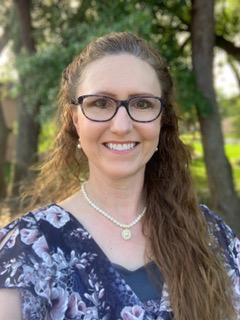
 Jill Dewhurst writes novels that seamlessly weave a page-turning story with the truth of God’s unconditional love. A Selah Award Bronze Medalist, Christian Author Award Winner, Will Rogers Medallion Award Gold Medal Winner, and bestselling author of historical Christian fiction, with her varied experience as an RN, a musician, and a homeschool mom, Jill creatively weaves a part of herself into each story. When not writing, she enjoys playing her flute and thanking God for the hubby who lassoed her heart for keeps. Publishing her Rugged Cross Ranch series has been a dream come true.
Tell us about your newest book.
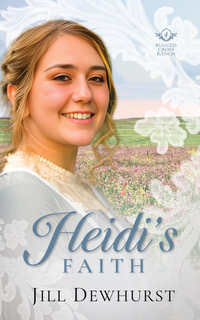
Heidi’s Faith, Book 4 of the Rugged Cross Ranch series:
Will the brushstrokes that capture light on canvas help Heidi Müller find the light of God’s promises in her soul? Will she rise above the fear that threatens to overwhelm her? When her family moves to a secret location for her protection, will she learn to trust again? “Sometimes all you need to overcome something hard is a new perspective—and maybe a guide to help you find it.” And when that new perspective is grounded in God’s promises, the result is a stronger, more resilient faith in the God who loves us. The handsome stranger may have been speaking to Heidi’s brother Frederick, but the message penetrated deep within Heidi’s heart where she struggled with fear. Jacob Collins desires a family of his own, but when that seems impossible, he focuses on becoming the man God wants him to be and leaves the details to Him. Will God use Jacob’s desire to help his neighbor to place him where the impossible could become possible? When God uses Jacob to renew Heidi’s trust in God, will a traumatic accident give Heidi the opportunity to return the favor?
What inspired you to write your story?
All of us struggle with fear in one form or another. The timeless truths in Heidi’s Faith remind each reader that through meditating on the promises in God’s Word, remembering His unconditional love, and surrounding ourselves with the support of family and friends, victory over fear is possible. God does not want us to live in fear, and He promises that [His] perfect love will cast out fear (I John 4:18).
What genre do you focus on.
Historical Christian Romantic Fiction. While those living on the American frontier did not have an easy life, they tended to prioritize what was truly important—faith, family, and community. Faith is an intrinsic theme in each of my novels.
Why do you write?
“A well-written story reaches the imagination. A faith-filled story reaches the heart.” My heart’s desire is to write a story that would inspire readers by reminding them of a God who loves them unconditionally and longs to have a personal relationship with them.
Who is your main character, and how did you choose that name?
Heidi Müller is the heroine of the story whose faith overcomes her struggle with a fearful event in her past. Because her family were recent German immigrants, she needed a German name. My original choice was Kirstyn, but my editor kept reading “Kristin” instead and insisted that I needed a more authentically German name. Heidi was the perfect substitute. Not only was it a popular German name in the mid 1800s, but all the Heidis I have known have been just as sweet as my protagonist.
What is the hardest part of being an author?
Finding dedicated uninterrupted writing time is consistently the hardest part of being an author. A close second place is creating characters and storylines that are unique and memorable.
What’s the best part of your author’s life?
The best part of my author’s life has been meeting my readers and other authors. That’s quite a stretch for this friendly introvert, but God continues to push me out of my comfort zone.
How have you changed or grown as a writer?
Attending writers’ retreats and conferences and making new author friends have improved the craft of my writing immeasurably and provided a delightful source of fellowship and encouragement.
What is your favorite pastime?
When I’m not writing, I’m an avid reader. Aside from books, my favorite pastime is playing my flute and piano. In my spare time (Ha!), I’m learning to play the cello.
Do you have other books? We’d love to know.
Yes, the other novels in the Rugged Cross Ranch are Julie’s Joy, Emily’s Hope, and Laura’s Redemption.
What are you working on now?
I am currently writing the manuscript for Clara’s Courage (Rugged Cross Ranch Book 5).
Website: www.jilldewhurst.com
Link to book: https://www.jilldewhurst.com/heidi-s-faith or direct Amazon link: www.amzn.com/dp/B0DBTL28NN
Social media links:
Facebook: https://www.facebook.com/DewhurstPublishing/
Instagram: https://www.instagram.com/jilldewhurst.author/
Meet author Elizabeth Renicks

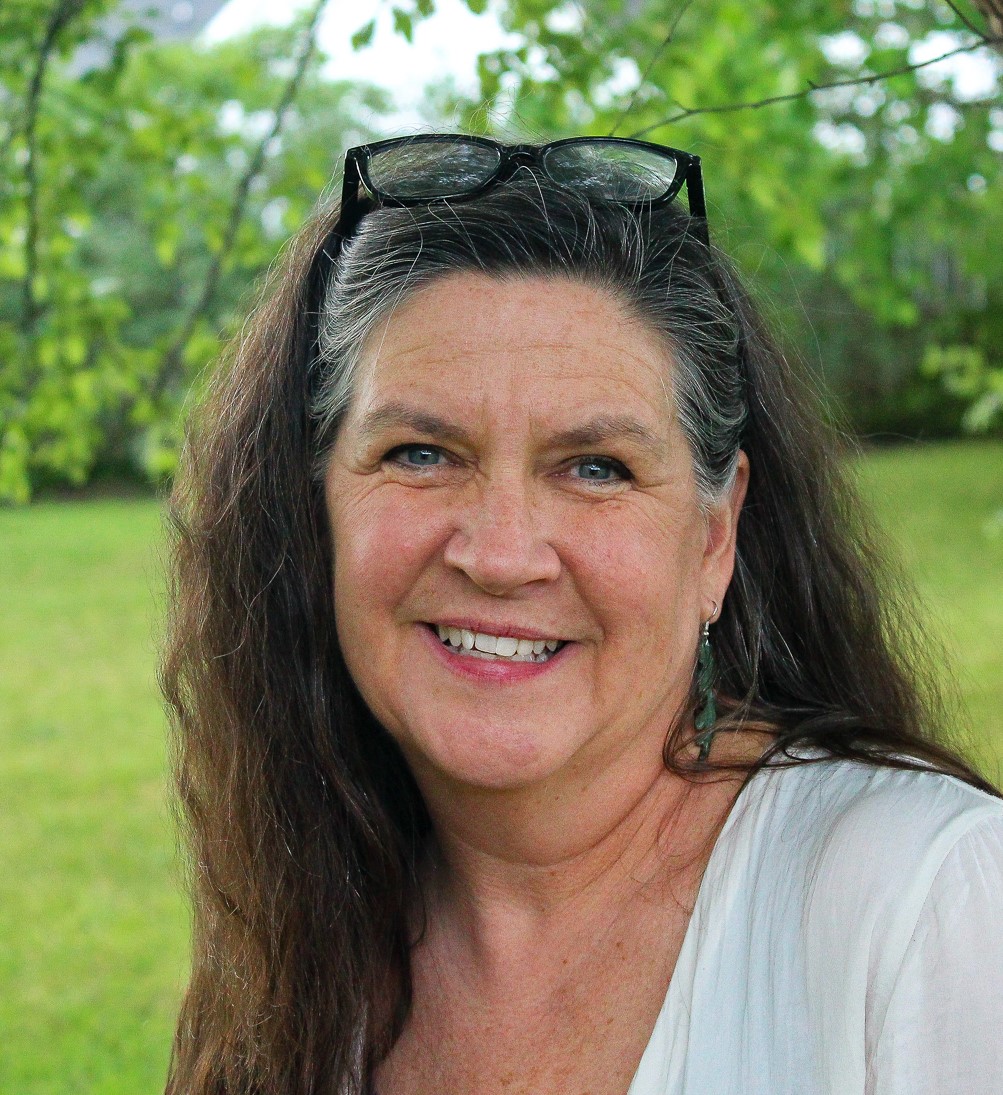
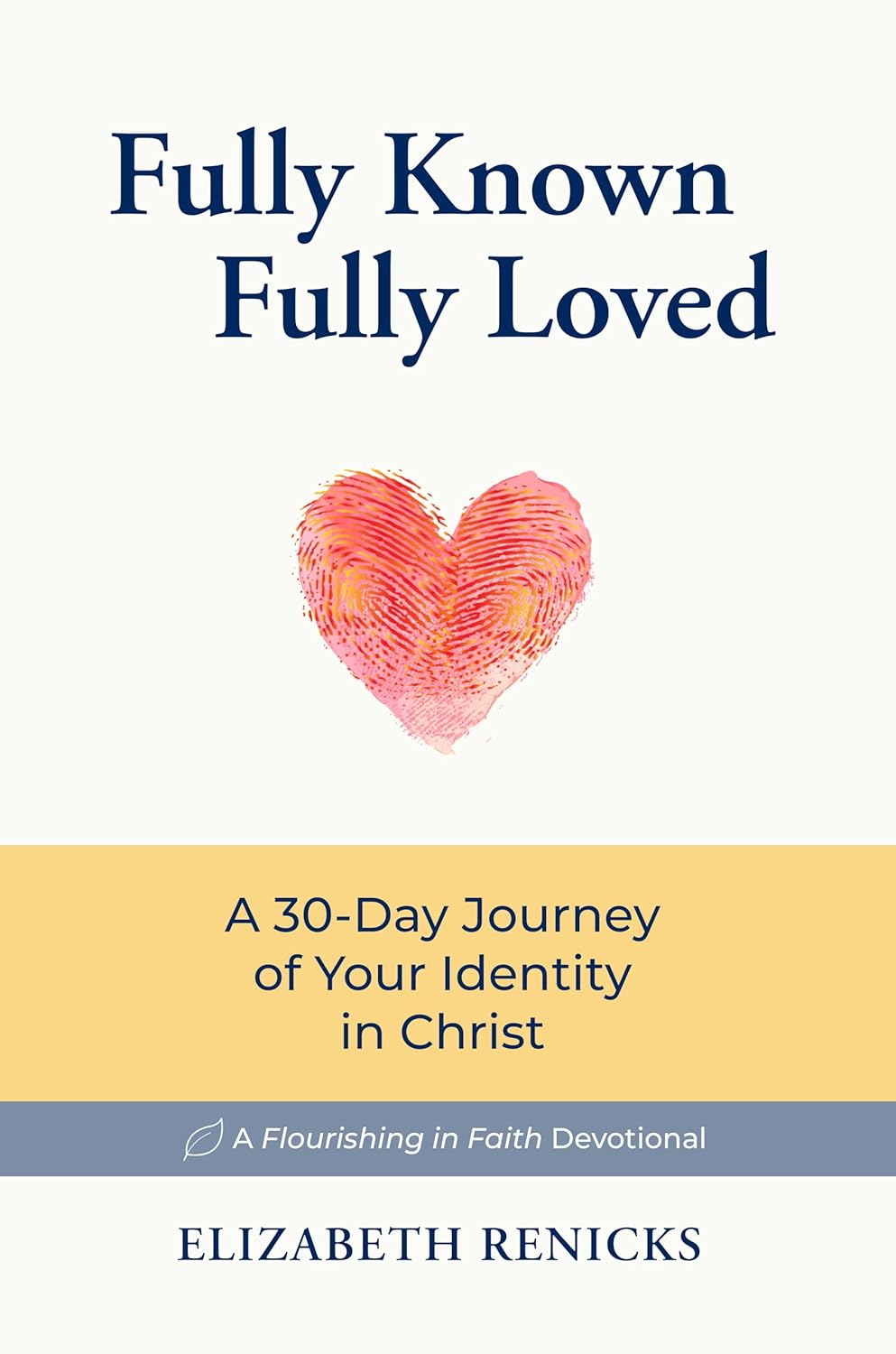 Elizabeth Renicks is an author, speaker, and teacher. A truth teller infusing every message with encouragement and hope, she offers the wisdom and experience of decades as a serious student of God’s Word. With more than 30 years’ experience writing and teaching under her belt, Elizabeth is a trusted resource for insight and encouragement from God’s Word. A wife and mom to two sons, Elizabeth calls Tuscaloosa, Alabama, home.
Tell us about your newest book.
Fully Known, Fully Loved is a 30 day devotional that invites you to rest in the unshakable truth that you are redeemed, restored, and renewed in Jesus. Overcome an orphan mindset and live in the fullness of your identity as His beloved child. It is the first in the Flourishing in Faith series—topical truth resources created to help you walk more closely with God.
What inspired you to write your story?
Knowing that my own journey and needs are not unique. I spent too many years as a believer living with a deep orphan mindset, knowing about God but not living out of trust in His love and care. I meet people all the time who share the same struggles in one way or another. We all need more of Him. It’s my joy to point people to the truths of what they have in Christ and their identity as His beloved child.
What genre do you focus on.
My genre is Christian discipleship and encouragement. Again, mostly because of the phrase “your misery is your ministry.” I spent many years as a performer, people-pleaser, and self-protector before I allowed the grace of Christ to break down my walls of fear and transform my life.
I’ve been a student of God’s Word for years. I knew a lot of things. But I was striving in my own strength to obey Scripture instead of resting in Jesus’ provision for my righteousness and fullness of life. My writing springs from discovering more and more of the Lord’s grace: His kindness to woo me from places of striving and performing into an intimate relationship of rest and trust. One of the ways I describe my writing mission to others is this: “I use truth and tools from God’s Word to help people find more intimacy with God.” My heart is to equip people to come to know more of Him, to experience the love of Jesus, and to walk confidently in His grace. I am always thinking about my readers as I write–what can I share that will bless others as God has blessed me?
Why do you write?
I write because I have been so deeply impacted by God, and the power of the Word and of words. Through reading, wrestling with text in community, studying and sharing truth from Scripture, I have fallen more and more in love with Jesus. I have grown to trust the Lord and His faithfulness. I have learned to receive His gracious, abundant love and to learn to accept how freely He gives that love to me (and to all who turn to Him).
Maybe that is why I enjoy so much the privilege of writing and speaking about Him and the reality and accessibility of intimate relationship with Jesus. It is probably why I am so excited about the books God has called me to write and to share.
What is your work schedule like when you’re writing a book?
I’m a stay-at-home homeschool mom who is less than a year away from empty nester, so I have a good bit of freedom to write. I usually spend the early morning in time with the Lord, followed by work on whatever writing project I have going. I often write in a coffee shop once or twice a week to get a break from working at home. Often I will write in big blocks of time over a short period to finish out a book-length work.
What is the hardest part of being an author?
It gets lonely at times because writing is a solitary experience in many ways. I also find the “business side” of things to be challenging at times, mostly because much of it is new to me. I wrote for other organization or freelanced for years. I have only just recently stepped out into writing the things I feel driven to write, and that is a whole other ball game with a different set of rules.
What’s the best part of your author’s life?
Getting to create with the Lord. Finding new ideas and seeing them come to life to encourage or inspire others. Thinking about things that I can leave in others’ hearts and minds through my words is very exciting to me. Books have always been my teachers. I have been shaped by all kinds of books, from my favorite fiction genres to my go-to: nonfiction. The writings of Christian men and women of faith throughout history, specifically, have deeply influenced my relationship with God and my character.
I cannot overstate the power that the writings and words of men and women of faith have had on my life. The right words are a powerful tool of redemption, reorientation, and refreshment.
What’s one thing your readers should know about you?
I have a really varied resume and pursue a lot of seemingly disconnected interests. I am a life-long learner. Curious. Admittedly nerdy. I am more comfortable in a group of teenagers than I am in a room full of adults. I have been involved in youth ministry, high school teaching and coaching or homeschooling for most of the past 30 years. I get really excited about helping people learn things and I love to encourage them to reach for more than they thought.
How have you changed or grown as a writer?
I think I take the value of my words much more seriously now than I did 35 years ago as a young writer and newspaper reporter/editor. I have learned over time to be grateful for the comments of those who inevitably help shape every writers’ work—editors, designers, readers. I used to think of it as needing to have thick skin to brave the comments of others. Now I think of it more as an opportunity to grow and be better. If am not communicating clearly, then I need to listen and find out how to do that. I had more hubris as a writer when I was younger.
What is your favorite pastime?
Probably reading. But I also love a good, lingering conversation about ideas or what is going on in another’s heart. I’m also a runner recovering from Achilles surgery, so I do love the idea of getting back out on the road to run.
Do you have other books? We’d love to know.
In addition to this latest devotional, I am the author of Return and Rest: A Study in Isaiah 30 (a six week Bible study) as well as contributor to several anthologies. I also wrote a high school Bible textbook 20 years ago called Missio Dei: Joining God on the Adventure of a Lifetime.
What are you working on now?
Several things… the next installment of the Flourishing in Faith devotional series, plus gathering and outlining for a memoir (and possibly a book of essays and another Bible study). I have about seven years’ worth of journals I am combing through to help tell some of the stories God wants me to share. We shall see.
Website: www.elizabethrenicks.com
Link to book: https://amzn.to/4ouQwff
Social media links: https://www.facebook.com/elizabeth.m.renicks
https://www.instagram.com/emrenicks
The Irish Rose Orphans: A Thousand Islands Sisters series is coming this year!
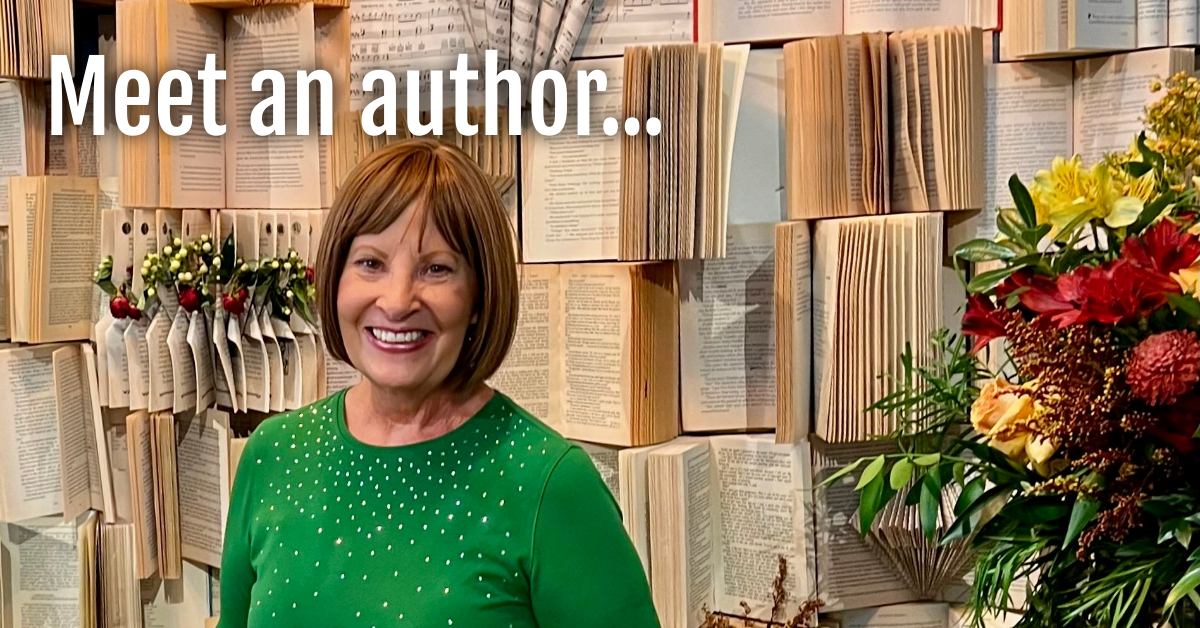
 The Gilded Age has always fascinated me—the shimmer of its opulence, the weight of its expectations, and the quiet courage of those who lived in its shadow. And few settings capture that mix of splendor and struggle quite like New York’s Thousand Islands, where glittering summer mansions once rose from the river like castles in a dream.
That’s where the next chapter of my heart’s work unfolds. This area and era are endlessly inspiring to me, and I’m thrilled to continue bringing it to life for readers.
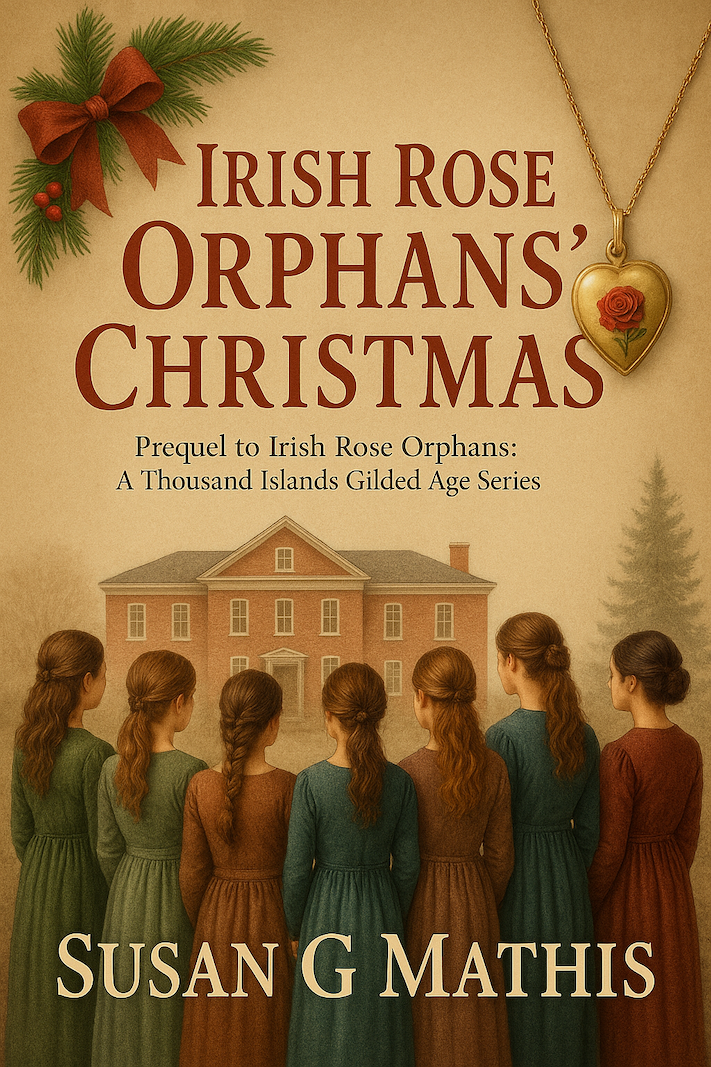
My newest Thousand Islands Gilded Age novels have a new twist with seven young women you met in The Irish Rose Orphans’ Christmas [if you haven’t read it, be sure you do.]
The Irish Rose Orphans: A Thousand Islands Sisters series is coming later this year! In this new series, seven young women, bound together at Brooklyn’s Irish Rose Orphan Asylum for Girls, are reunited in the breathtaking beauty of the Thousand Islands during America’s glittering Gilded Age.
Ten years earlier, these girls—abandoned, resilient, and full of dreams—vowed to be “forever sisters.” Now, as women, they find themselves serving among the elite in grand island estates, where fortunes shine bright but hearts still long for purpose, love, and faith.
Each novel will follow one “sister” as she navigates a world of contrasts—lavish summer homes and lonely servants’ quarters, privilege and poverty, romance and heartbreak. Through trials and triumphs, each woman must confront the wounds of her past and the whisper of God’s calling for her future. Amid glittering galas, moonlit river cruises, and the quiet beauty of the islands, they discover that true worth is not found in wealth but in hope—and that the bond of sisterhood can bridge even the widest divides.
Why the Thousand Islands? There’s something timeless about this place. The islands themselves are symbols of endurance—rooted, weathered, yet surrounded by beauty. They remind me of the stories I love to tell—stories of women who stand firm in faith, who bloom where they are planted, and who find strength in the unlikeliest of places.
Just as the Irish Rose girls once found hope amid hardship, they now find that even in a world gilded by gold, the truest treasures are still love, loyalty, and faith.
If you’ve loved meeting these girls in the Irish Rose Orphans’ Christmas, you won’t want to miss what’s next. Sign up for my newsletter to be the first to see cover reveals, character sketches, and sneak peeks from the upcoming series. Together, we’ll return to the Thousand Islands—where the river runs deep, faith runs deeper, and love never let go.
Meet author Davalynn Spencer
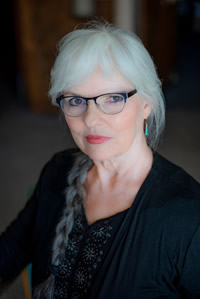 Davalynn Spencer is the award-winning author of two beloved Western Romance series, The Cañon City Chronicles and Front Range Brides, both set along the Front Range of Colorado’s Rocky Mountains. She is an internationally acclaimed novelist, a Will Rogers Gold Medallion winner, and Publisher’s Weekly and ECPA bestseller. An award-winning rodeo journalist and former crime-beat reporter, she teaches writing workshops and speaks at special events. She has two 90-day Christian devotionals for women, writes her own bi-weekly inspirational blog, teaches writing workshops, plays on her church worship team, and loves hearing from readers.
Tell us about your newest book.
Deception goes against everything Millie Hope Thorne believes—until she grants the last request of her dying niece. Taking her niece’s place as the mail-order teacher for a Colorado rancher’s grandchildren, Millie promises herself that she will reveal the truth. However, love knits her to the children as well as their widowed grandfather, Jed Winters, and delays her confession. When Jed learns that she is not the M.H. Thorne he hired, it may be too late to save her heart, his dignity, and the children’s one Christmas wish.
What inspired you to write your story?
A Thorn in Winter’s Grasp had been rolling around in my heart for a while, intriguing me with the idea of good intentions posed against deliberate deception. What could go wrong? And if love is the driving force, would forgiveness be enough?
What genre do you focus on.
Inspirational Western Romance – three categories I can’t get enough of all rolled into one.
Why do you write?
For me, writing is up there with eating, staying hydrated, walking every day, breathing, and singing. I have to do it.
Who is your main character, and how did you choose that name?
Millie Hope Thorne is the name of this book’s heroine, and I wrestled with her name for quite some time. Authors are cautioned to never have one character’s name begin with the same letter as another’s. It avoids confusion. However, Millie and her niece Myra had to have the same initials and names if the story was going to work.
What is your work schedule like when you’re writing a book?
My schedule has changed in the last three years, and I spend mornings reading the Bible, enjoying breakfast with my husband, and doing a few household chores. Afternoons are for writing. Somehow, the stress has decreased.
What is the hardest part of being an author?
A difficult part of writing a book is rewriting the book or section or scene for myriad reasons. James Mitchner is quoted as saying he wasn’t a very good writer, but he was an excellent rewriter.
What’s the best part of your author’s life?
I am incredibly blessed when a reader tells me they “lived” the story because the characters and setting were so real to them. That means I’ve done my job. And I’m deeply encouraged when they pick up on the spiritual messages in my books – the way God is simply part of the character’s day-to-day lives.
What’s one thing your readers should know about you?
I love my chickens, and I have socks with chickens on them. And towels as well. And a spoon holder. And a windchime my husband gave me for my birthday.
How have you changed or grown as a writer?
I have improved. The Proverbs 31 woman in the Bible says she knows that her merchandise is good. It’s not boastful or arrogant to know that you’re doing a better job today than you did yesterday. I want to keep improving and learning to use fewer and better words to say something well.
What is your favorite pastime?
Walking in the early mornings and reading in the evenings.
Do you have other books? We’d love to know.
I have twenty-two books, and all are listed on my Amazon Author page and at my website: www.davalynnspencer.com.
What are you working on now? At the moment, I’m writing Letters to My Children. Not a book, merely letters to my son and daughter that I send via Messenger every so often. They are true accounts of my life before they were born or during their childhood, and I write them with a fictional flair. I’m also working on another novel that has been rolling around in my heart.
Website: https://www.davalynnspencer.com
Link to book: https://www.amazon.com/dp/B0G1JL1DJH
The Irish Rose: A Symbol of Hope and Strength
In every era of hardship, symbols have helped people hold on to what matters most—faith, love, and courage. For the Irish, few symbols are as tender and resilient as the rose. Born of beauty and thorns, the Irish Rose stands for a spirit that bends but never breaks—a living reminder that hope blooms even in the coldest seasons.
The Irish Rose is more than a flower. It is a story—a story of endurance, faith, and the quiet strength that blossoms in adversity. Ireland’s history is rich with both heartache and heroism. From famine to forced emigration, the Irish people have long carried the memory of loss alongside a deep, abiding faith. Families torn apart by poverty and passage found ways to remember home—through songs, prayers, and symbols.
The rose became one such emblem. In Irish folklore and poetry, the rose often represented both Ireland itself and the endurance of its people. It was a flower of contradiction—fragile yet fierce, delicate yet enduring. To be called an Irish Rose was a tribute to someone who embodied grace under pressure, who held beauty not in perfection, but in perseverance.
For countless Irish immigrants—especially young women leaving their homeland in the 1800s—the rose was more than a sentimental symbol—it was a quiet declaration of faith.
When orphan girls in places like Brooklyn’s Irish Rose Asylum were sent out to serve in the homes of the wealthy, they carried with them little more than their prayers, their courage, and sometimes a small token—like a tin locket engraved with a rose. It was a sign that they were not forgotten.
The rose reminded them of who they were and Whose they were. It said, in its own wordless language: “You are rooted in something greater. You can bloom anywhere.”
Like the orphans who bore its name, the Irish Rose flourishes where others might wither. It is a flower that grows wild along rocky hillsides, thriving in thin soil and harsh winds. In this way, it mirrors the immigrant spirit—the determination to survive, to work hard, and to keep faith alive no matter how far from home.
To wear or carry an Irish Rose was not only an emblem of identity but also a sign of divine care—a reminder that God’s love can bring beauty from even the hardest ground.
Every rose bears thorns. Life’s struggles—loss, separation, hardship—are part of the same stem that holds its bloom. The Irish understood this deeply. The beauty of the rose was not despite its thorns, but because of them.
For the orphan girls stepping into lives of service in the Gilded Age, or for anyone walking through trial today, the message is the same—Grace and pain often grow together. Strength is not the absence of suffering, but the courage to love and believe in spite of it.
In the end, the Irish Rose isn’t just a flower—it’s a way of living. It’s a call to stand tall in faith, to find purpose in the struggle, and to trust that God can make something beautiful out of brokenness. No matter where life leads—whether in an elegant household along the Thousand Islands or a humble cottage by the sea—the Irish Rose reminds us that hope always finds a way to bloom.
Irish Immigrant Orphans in Gilded Age New York
In the closing decades of the 19th century, New York City was a city of contrasts—towering mansions and teeming slums, dazzling wealth and desperate poverty. For thousands of Irish immigrants, the promise of America collided with the harsh reality of overcrowded tenements, low wages, and prejudice. And for many children of those families, tragedy came early, leaving them alone in a city that could be both cruel and full of compassion.
Out of this struggle grew the orphanages of New York, institutions that became lifelines for destitute and abandoned children—many of them Irish. The mid-to-late 1800s saw a massive wave of Irish immigration, driven by famine and poverty at home. By 1870, the Irish made up more than a quarter of New York’s population. But opportunity was hard-won. Many families crowded into unhealthy tenements in neighborhoods like Five Points and Hell’s Kitchen. Disease, malnutrition, and workplace accidents took parents early, leaving countless children orphans without guardians.
But anti-Irish sentiment was rampant. The Irish community responded by building its own network of faith-based orphan asylums, places where children could grow up within their faith and culture. Run largely by nuns, these homes combined charity with strict discipline. Daily life was regimented—morning prayers, lessons, chores, and sometimes industrial or domestic training. Girls were trained in sewing, cooking, and housekeeping—skills that would prepare them for domestic service in upper-class homes.
For many Irish girls, this was their only path to survival and respectability. They entered the Gilded Age world as maids, governesses, or kitchen staff—serving the very families whose wealth defined the era. Yet within that service, they carried the quiet pride and resilience of their heritage.
The community’s compassion reflected a deeper truth of the time—in a city bursting with inequality, faith communities often filled the gaps left by government and society.
Yet, while many orphans found love and security in the orphanage and later in service, others faced hardship and isolation. Still, this movement reshaped the future of child welfare and symbolized the Irish spirit of perseverance in the face of adversity.
The story of New York’s Irish orphanages is one of heartbreak and hope. Within their brick walls, children learned discipline, faith, and the dignity of hard work. Many carried those lessons into adulthood, helping shape the city that once turned its back on them.
These institutions—born from compassion and necessity—stood as beacons of mercy in a city that could be indifferent to the poor. For thousands of Irish immigrants and their children, the orphanage was not the end of their story, but the beginning of a new one.