
YA author Hope Bolinger
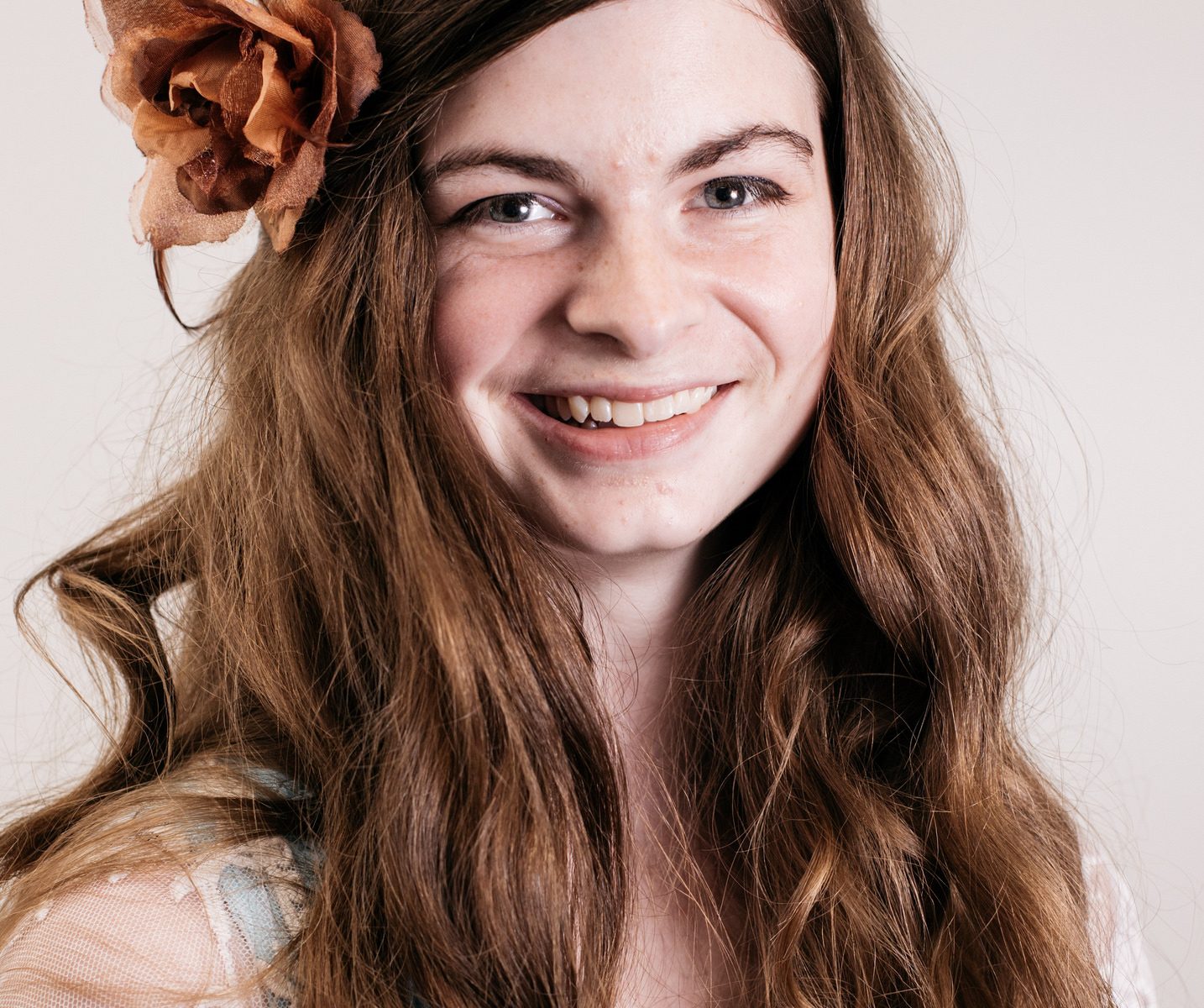
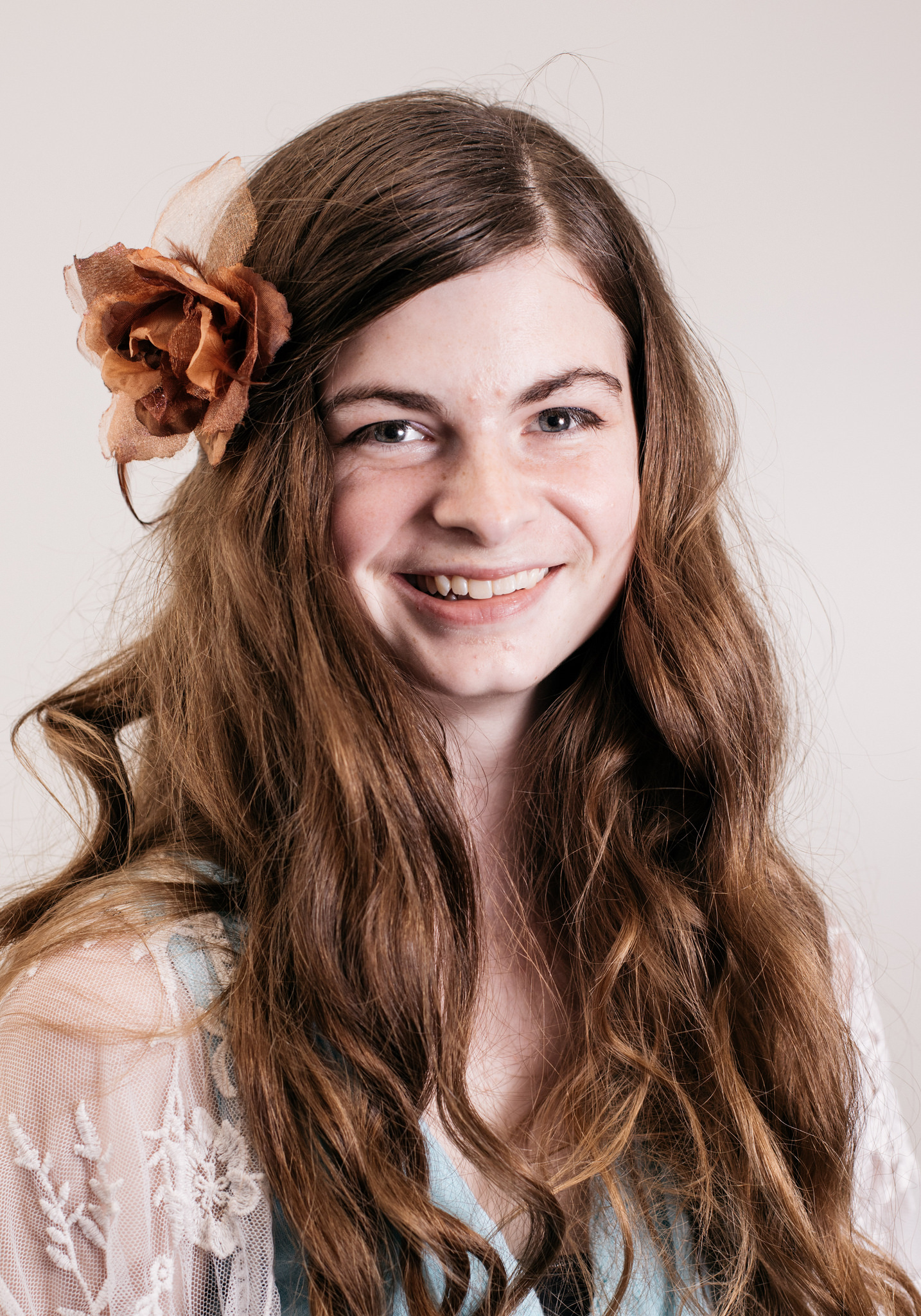 Hope Bolinger is a literary agent and published YA author (Blaze, LPC). She’s worked for various publishing houses, magazines, newspapers, and agencies. More than three hundred of her works have been featured in various publications, ranging from Writer’s Digest to Keys for Kids. She’s obsessed with all things theater, chocolate, and fire.
Tell us about your newest book.
Blaze is essentially the first three chapters of the Book of Daniel plopped into a high school. It follows the story of Danny as he transfers to a rival school after his previous school mysteriously burns down. Turns out, the arsonist attends the rival . . . and they don’t seem content setting fire to just one thing.
What genre do you focus on and why?
I found my niche in the young adult market. I remember my time as a teen, three years ago, as a period of turmoil, transition, and the constant need to trust in God. Teens nowadays face bigger and more complex problems than ever before. I wanted to write to that market to come alongside teenagers and say, “It’s hard. But I made it through. Here’s how you can do it.” Plus, I think young adult authors get to have all the fun.
Why do you write? What drives you?
I write “what if” scenarios I would never want to end up in. Burning building? Let’s stick some characters in there. My stories drive me. They burn up inside until I have to release them on paper. I have to write. I can do nothing else.
Who is your main character, and how did you choose that name?
Danny Belte. Derivative from Daniel/Belteshazzar found in the Book of Daniel. He’s a sixteen year old with a sense of humor—often implemented in the worst situations—and severe anxiety.
What does a day in your writing world look like?
Like my books, everything’s on fire. Except, not in a literal sense. Usually I try to hammer out 2,500-3,000 words a day when I’ve begun a writing project. Finding the time for that can prove a trial in itself. Back in high school, I used to write chapters instead of paying attention in math class. Probably explains my Pre-Calc grade . . . I try to find a quiet space and take breaks after every 1,000 words, unless I’ve tapped into the muse. Sometimes I’ll forget about things such as food and bathroom breaks.
What is the hardest part of being an author? Why?
Almost everything else that happens after you write the book. I’ve started to take to liking editing and marketing. I used to hate them. But I would say the waiting takes the cake. After writing a book in the span of 30-45 days, editing it/beta reader testing it for the next two months, you have to wait to hear back from publishers. This can range from several weeks to months, and usually it tends to result in rejection. If they take it on, you have at least a year before you have a physical book in your hands. I love every minute of it, but the waiting does kill you a little inside.
What’s the best part of your author’s life? Why?
Everything. Warts, waiting and all, I would never do anything else. Even when people post nasty reviews or drop out last minute on an endorsement, at the end of the day, I had a chance to create something, and I wouldn’t trade that for anything.
What is the craziest thing you’ve experienced as an author?
Honestly, a lot of God things. When a reviewer would drop out, He provided another. Or when someone bailed, He sent someone else my way.
For instance, I had an endorser drop out on me, and I got worried because he was an author I’d looked up to. And I understood about busy schedule. Even if we’d connected in September about the book, life happens. At that point, I’d had a number of bloggers quit, and I grew anxious that all the work I’d done for the previous nine months would go to waste. But then I received an email for the leader of a local writer’s group of about 1800 members contacted me saying she had the song, “High Hopes” stuck in her head for the past several weeks, and when she saw my name, she knew she had to contact me to come and speak with her group.
What are you most proud of?
Is it bad if I say Blaze? I’d had the dream to get a book published since I took up novel writing at 16. I’ve written 17 books, 13 plays, and 300 other published works since that time It took hundreds of rejections, dozens of edits, a 25-page marketing plan, and a great deal of wanting to give up. Even if it doesn’t sell well, even if it sells two copies, I still can’t believe this dream came true. If I can make it, any author can.
What is your favorite pastime?
Theater. Stick me on stage, and I feel right at home. If God decided one day I shouldn’t write anymore, I would find a way to get involved in every theater in the area.
Do you have other books? We’d love to know.
Yes, we have several books out on query.
What are you working on now?
My coauthor and I plan to do the finishing touches on Picture Imperfect. I also plan to begin Dreams, the third installment of Blaze. I also have three other books ideas I’m juggling in my head right now, trying to determine which one I should start first.
Website: https://www.hopebolinger.com/
Link to book:
Social media links: @hopebolinger (Twitter, Instagram) @therosewoman (Facebook)
Gina Holder on Adoption
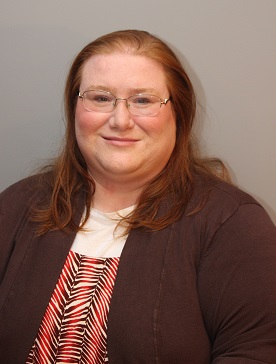
 Gina Holder has been married to her best friend for 12 years and has one 11-year-old daughter. She’s a stay at home mom and homeschools. She lives in Kentucky, but they’re moving back to Colorado in May. She indie published her first novel in 2017 and is preparing to release her next book at the end of April.
Tell us about your newest book.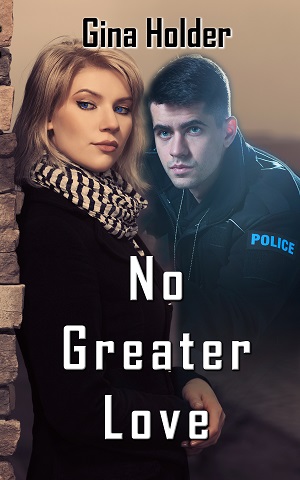
My current release is titled, No Greater Love. It’s about a book-loving, coffee-drinking Portlander who discovers she is a “safe haven” baby after finding a Bible and a bookmark, leading her to the town of Whitman, Oregon, to search for her birthmother. Unfortunately, her birthmother doesn’t want to be found and Paige’s past comes back to haunt her when she becomes the primary suspect in a series of local robberies. Paige was adopted by a firefighter and after his death, she vows never to fall in love with a first responder- a hero. She can’t understand someone willing to give their life for a stranger. Patrol Officer Hamilton Bryant is investigating the robberies. After the death of his best friend and fellow officer, he vows never to fall in love with anyone, except Paige has stolen his heart and he doesn’t know what to do about it.
What genre do you focus on and why?
Historical Romance and Contemporary Romantic Suspense, but I enjoy incorporating some family drama into each of my stories.
Why do you write? What drives you?
I’ve always had a desire to tell stories. I want to be a witness for Jesus Christ, but I struggle to talk to people in person. Through my books, I can share the message of Salvation, and Spiritual lessons from the Word of God, without having to speak face to face.
Who is your main character, and how did you choose that name?
Her name is Paige McDonald. I didn’t really choose it on purpose, it just came to me along with the story idea. It does fit her though since she is a book-lover.
What does a day in your writing world look like?
I’m a stay-at-home mom, so, writing comes secondary to taking care of our home and homeschooling my daughter. I try to work on my books after I finish housework for the day or sometimes, I set aside days for me to work without interruption. My husband supports my dream to be a writer and he helps when he can.
What is the hardest part of being an author? Why?
Accepting critique. I pour my heart and soul into my work and it’s difficult to make changes.
What are you most proud of?
That I did it. I achieved my dream of being a published author.
What is your favorite pastime?
Reading fiction. I read about five books each month.
Do you have other books? We’d love to know.
My debut novel is titled, Whither Shall I Go? It’s a historical missionary romance. It tells the story of an orphaned girl who goes from rags to riches, then falls in love with a young preacher. When he goes MIA during WWI, she continues their dream of being missionaries to Brazil, where she faces jaguars, anacondas, and an antagonistic Shaman. Amidst it all, she learns that God had a better plan for her life than she ever thought possible. This story is based on the Scriptures found in Psalm 139.
What are you working on now?
I’m working on book 2 of my Shadows Over Whitman. Books two will continue the story from book one. It does not have a title yet, I’m still working on that. I also plan on writing a series based on the brothers of my main character from Whither Shall I Go. I gave each brother a distinct personality, and I’m excited to share their stories with readers.
Social Media Links:
http://storiesbygina.wordpress.com
http://facebook.com/storiesbygina
http://instagram.com/storiesbygina
https://pinterest.com/ginaaholder/
Purchase link: No Greater Love eBookhttps://www.amazon.com/gp/product/B07PG1CVTD
Jeanette and Beth on beauty
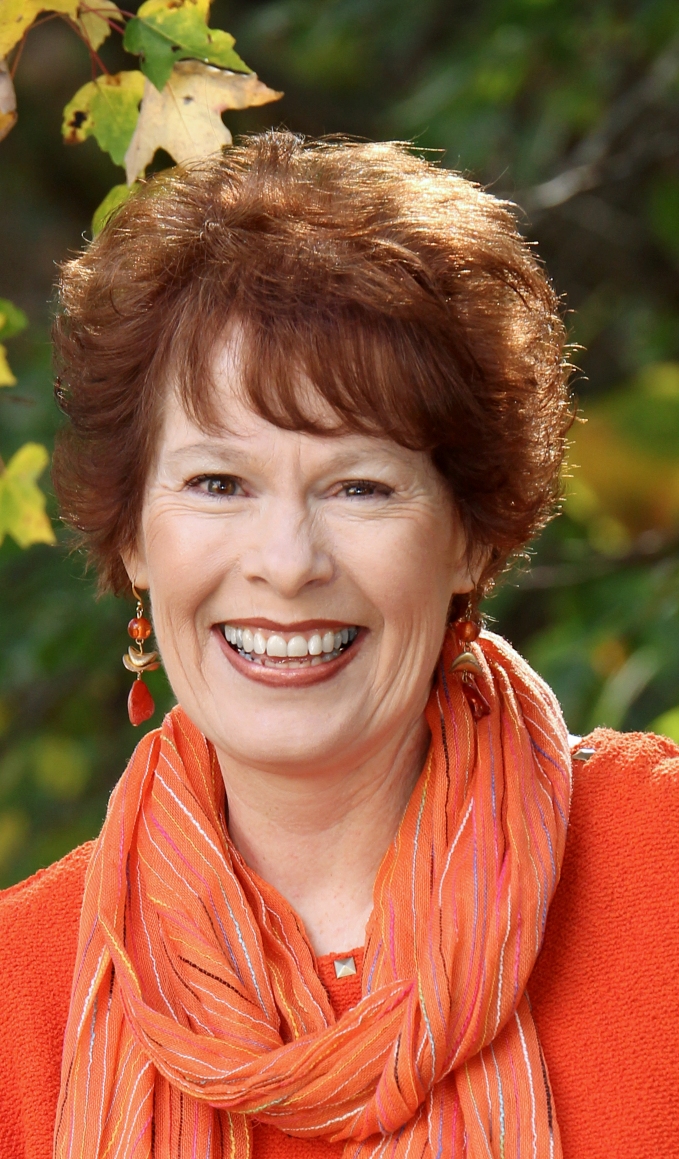
 Humor/inspirational author and speaker Jeanette Levellie has published five books and hundreds of articles, columns, and stories. Jeanette enjoys speaking to groups of all kinds, offering hope and humor in every message. She and her pastor husband Kevin live in Paris, IL.
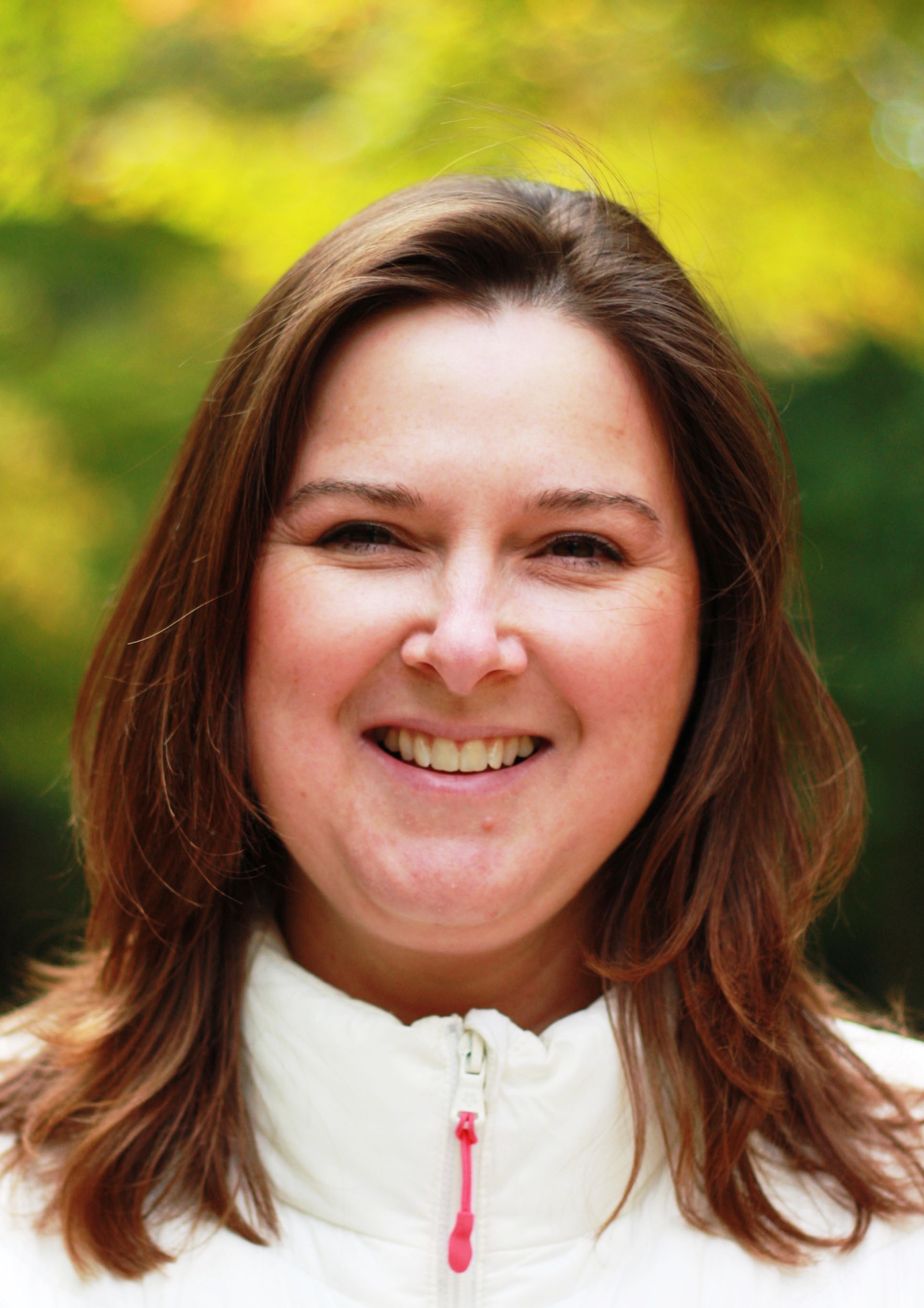 First-time author and fiber artist, Beth Gormong, is excited to share her heartfelt words in her first book. She lives in Farmersburg, outside of Terre Haute, IN with her husband, Jeff, a farmer.
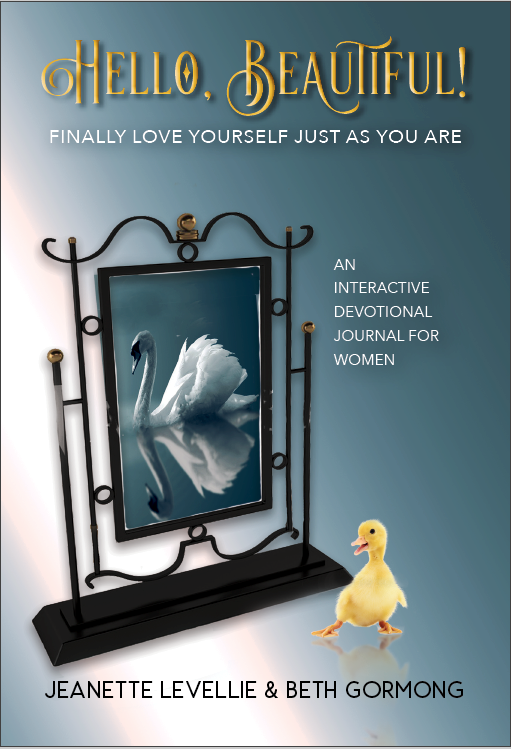 Tell us about your newest book.
In Hello, Beautiful, Jeanette Levellie and Beth Gormong lead women on a hopeful journey to find lasting beauty in the eye of the beholder: God. This inspirational gift book contains forty stories based on some of the authors most vulnerable moments, highlighting how God redeemed the pain and taught them how to love themselves. Each chapter of this 40-day soul makeover begins with a Bible verse describing God’s view of us, His precious creation. Chapters end with a special feature, a journaling prompt giving readers the opportunity to apply the principles.
What genre do you focus on and why?
Inspirational non-fiction with humor sprinkled in. I love to help others discover more about God than they originally thought or were taught. For instance, he not only loves you, he likes you! I also love to use humor to make my point, because it opens the heart and gives us hope. People will listen better if they’re laughing, or at least, smiling.
Why do you write?
I’ve (Jeanette) always loved to write, from the time I was a child. What drives me is the desire to have someone, even one person, walk up to me in heaven someday and say, “I read your book (article, story) and it helped me believe.”
Sometimes I (Beth) sit at my computer or journal and wonder that myself, and then seemingly out of nowhere, it’s as if God whispers in my ear. My hand and pen can’t keep up with my brain when that happens.
What does a day in your writing world look like?
Because I (Jeanette) have a day job, I write early in the morning before I go to work, then in little snatches during the day when I’m caught up on tasks at my job (my boss is wonderful). I also write some on the weekends, if my husband is gone.
I (Beth) wish I could say I have a daily routine, but for me it’s a much more “write when I can” style. I “free-write” every morning, but that is mostly not usable writing. It’s more like priming the pump, getting the ideas flowing.
What is the hardest part of being an author? Why?
It’s sometimes hard to start a story I (Jeanette) have in my brain, but have no idea how to tell it. So I allow myself to write a really awful first draft, just to get some words on the page. Then I fix it later. I also don’t like all the time that marketing and social media take away from actual writing. I love people and I love to talk, but I don’t like to have to do it.
The hardest part is forcing myself to sit down and write. I (Beth) can come up with ideas all day, but doing the work takes discipline. I’m learning that I can do the work, do the hard thing.
What’s the best part of your author’s life? Why?
Someone telling me they read a book or story of mine and it helped them in some way. That makes all the tears and hours of hard work worth it. Loving and helping people is what my writing is all about.
Do you have other books? We’d love to know.
Two Scoops of Grace with Chuckles on Top, a humorous devotional
The Heart of Humor: Sixty Helpings of Hilarity to Nourish Your Soul
Touchable God: Finding the Lord’s Friendship through Prayer
What are you working on now?
I (Jeanette) recently became a Guidepostsmagazine writer so I’m working on stories for their publications. I will have two short pieces published in the May and June issues.
I’m (Beth) filling several knitting and crocheting commissions, blogging and mapping out ideas for my next writing projects.
Website: www.jeanettelevellie.com
Link to book:
Social media links:
Facebook: http://bit.ly/1P766rm
Author Central Page: http://amzn.to/1TisY7w
Twitter: https://twitter.com/#!/JenLevellie
Goodreads: https://www.goodreads.com/author/dashboard
Pinterest: https://www.pinterest.com/jenlevellie/
Google+ http://bit.ly/1R6YXVP
Beth Gormong
Website: https://www.bgormong.com
Pinterest: @bethgormong
Instagram: @bethgormong
Facebook: @bgormong
Twitter:@bgormong
Caryl McAdoo
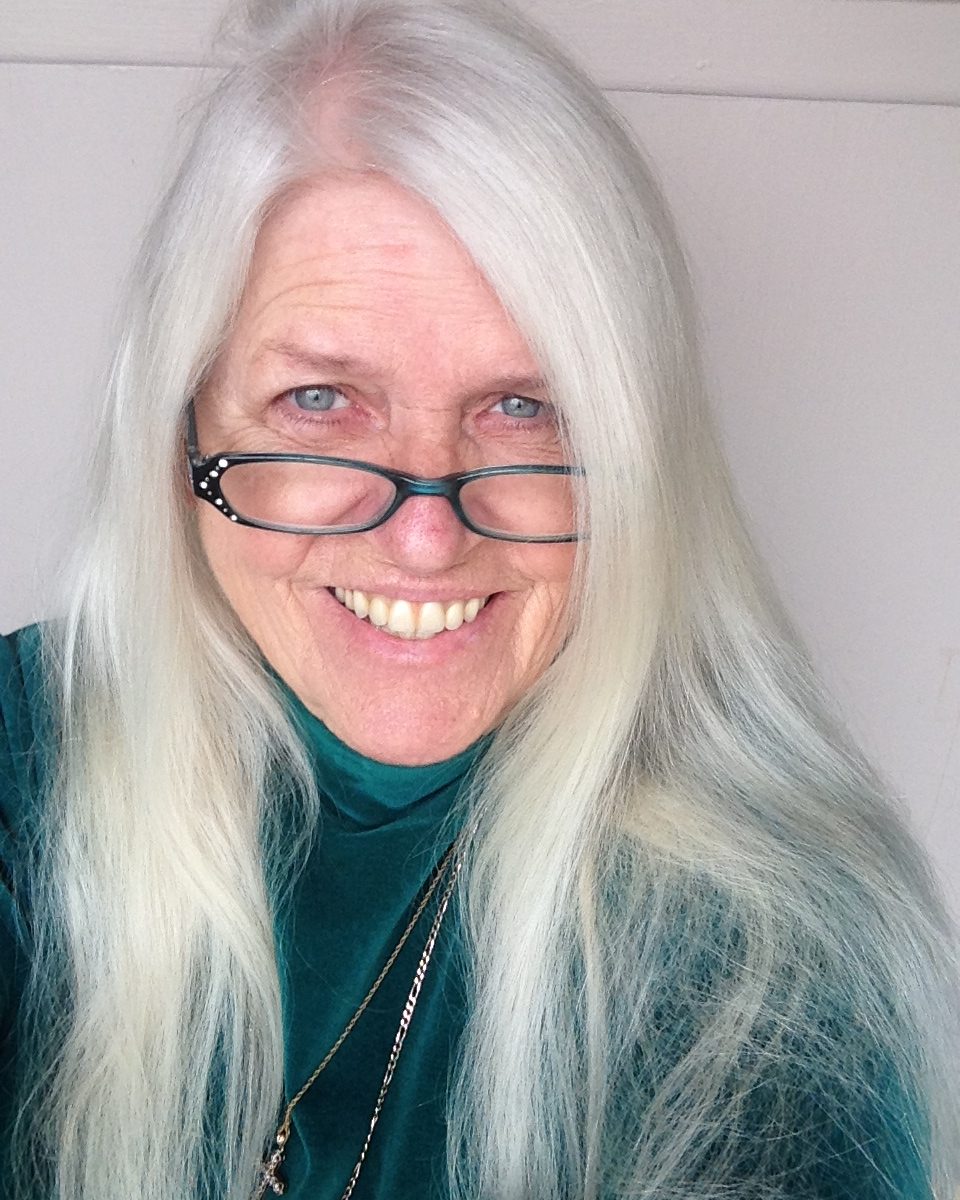
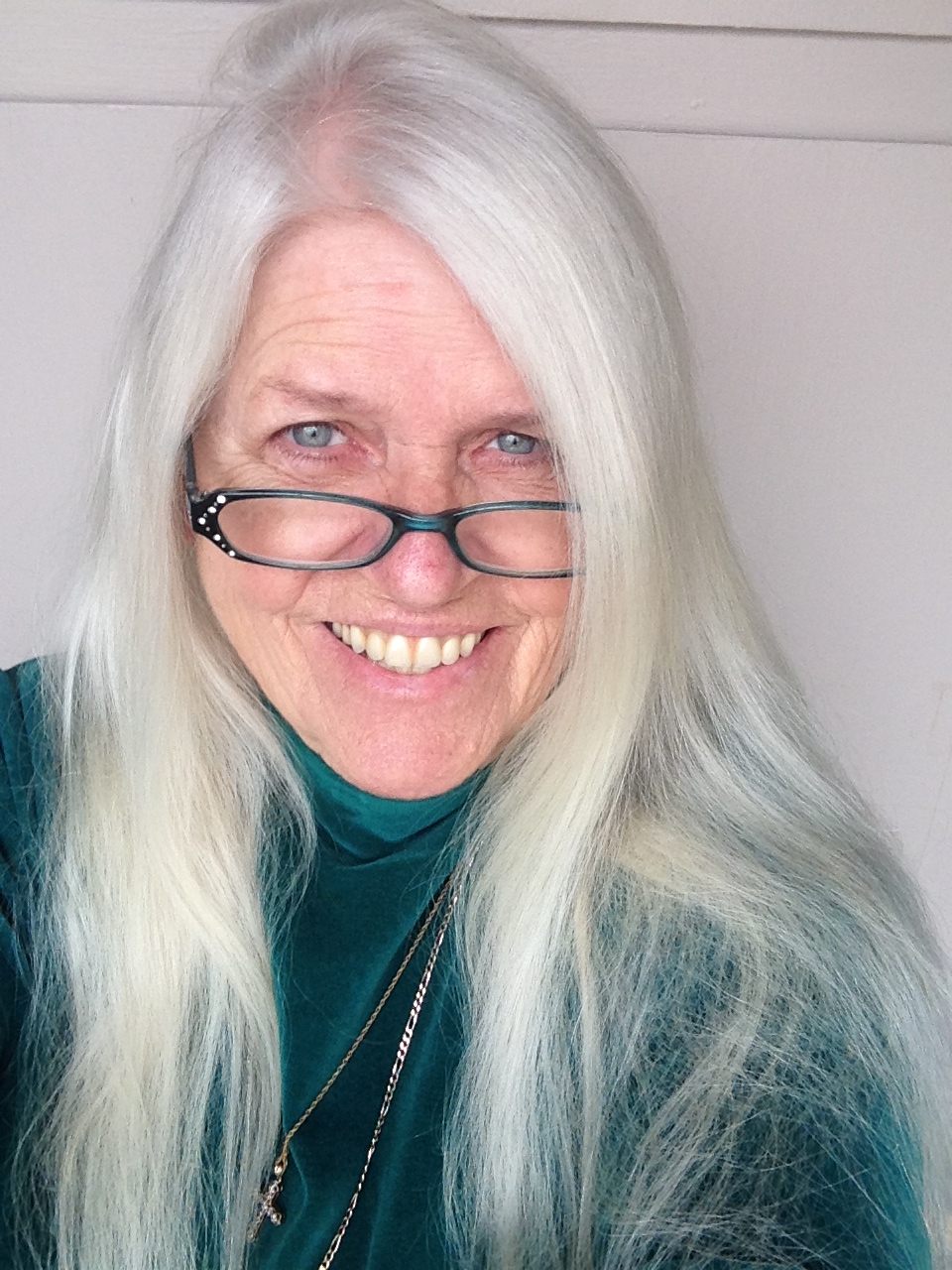 Award-winning author Caryl McAdoo loves writing stories that move her readers closer to Him in her forty-four best-selling novels, and she also loves singing the new songs the Lord gives her. Married to high school sweetheart Ron, she counts their four children and eighteen grandsugars life’s best blessings. The McAdoos live in Clarksville, Texas, waiting expectantly for God to open the next door.
Tell us about your newest book.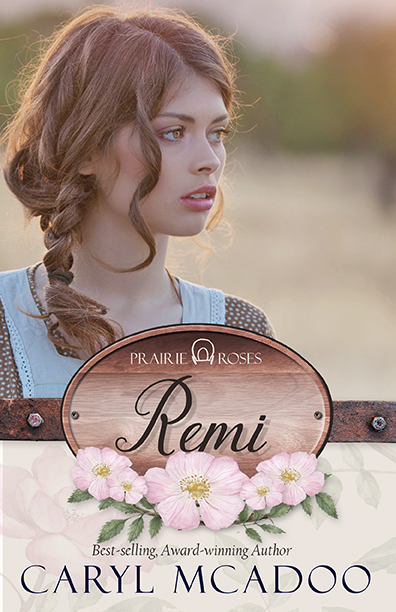
Remiis my May release this year, book two in the Prairie Roses Collection. Her name is Agnus Remington Dalrumple, so you can see why she goes by Remi. She’s a loner bookworm, a bit introverted, and suffers horribly with seasickness, so she’d sworn off all water travel.
She never dreamed she would go west in a covered wagon, but when her stepfather takes her mother to the French Riviera, that’s exactly what she does. California is her destination—the last address on a letter from the father she’s never met. She thought it would be a lark.
What genre do you focus on and why?
My second NY agent said to write her a historical Christian romance set in the 1800s and she’d sell it. We did and so did she—to Simon & Schuster! I’ve dabbled in contemporary romance, too, but the times-gone-by so speak to me.
I love the times of families and communities when godly morals prevailed and honesty, modesty, and morals were valued. Historical romance (twenty-five titles) is by far my readers favorite genre, so I write to my audience. I also love writing Biblical fiction (five) and for children (four)—and a couple of non-fiction titles (four) as well.
Why do you write? What drives you?
I write because God called me to it. I studied to show myself approved and learned enough to write Story&Style, The Craft of Writing Creative Fiction. God blessed my husband and co-writer Ron and me with awesome mentors at the DFW Writers’ Workshop. Having my name on the cover drives me. My husband is why I have such wonderful heroes. My high school sweetheart and husband of fifty-plus years, he is of course my inspiration and a part of every hero I write. He keeps their dialogue manly and knows so many manly things!
Who is your main character, and how did you choose that name?
My title character, Remi, is my heroine and Asher Adams, her hero. Readers met Asher’s family in Uniquely Uncommon, my April release when the widower unexpectedly takes his sister Christina (the heroine of that book) across the country along with his two daughters to plant a vineyard in Napa Valley, California. So this is Remi and Asher’s story, and we set up his thirteen-year-old daughter Samantha to have her own romance next year in my Prairie Roses contribution. I love writing about the same people from book to book.
What is the hardest part of being an author?
Without a doubt, the answer is marketing, even though I’m a born marketer. Why? You’re never through with it. If an author doesn’t market, how will readers ever know they’ve written a book? And there are so many competing for their attention, yours need to stand out.
What’s the best part of your author’s life? Why?
Writing with my husband, spending 24/7 with him and “creating” with him. He’s my best friend and the most Christlike man I’ve ever known. We enjoy writing together. We work together on designing and decorating our home, The Peaceable in the woods five miles south of Clarksville, Texas—like the mosaic walls in our master shower and wallpaper of our booksignings through the years.
What is the craziest thing you’ve experienced as an author?
Meeting Mary Sue Seymour, my NY agent, at a small East Texas Writer’s Conference. As members of the group, Ron and I volunteered to be her gopher at the conference, including picking her up at the hotel and getting her there as well as taking her back to DFW International (a three-hour drive) for her flight home. When she got out of the elevator, she ran and hugged my neck, telling me, “You’re the first McAdoo I’ve ever met who wasn’t a McAdoo.” Come to find out, McAdoo was her maiden name! How about that for God putting His stamp on our divine appointment?
What is your favorite pastime?
Both of us are very competitive, so Ron and I love playing games. We enjoy bridge twice weekly: Tuesday evening’s Red River Bridge Club and a couple that comes every Friday for dinner and bridge—we alternate cooking. Then add a once-a-month afternoon bridge club.
The game of Acquire (a financial theme, buy and sale stocks, merge companies) is a favorite we play mostly with Ron’s older brother, Bruce. When we go in for a visit, we might play as many as fifty games in a weekend—the boys wake me up to play.
And lately we’ve added Quirkle that we play together while we eat breakfast, lunch, and dinner. He keeps all kinds of records and monthly scores so we can know who won for the year. I’m scorekeeper for Acquire and have fifteen years of score sheets with annual winners between Bruce, Ron, and me.
Do you have other books? We’d love to know.
I do. In ten years, our first ten titles published traditionally, the tenth with S&S. In the fall of 2014, I started as an Indie, releasing our own books our own selves, and I love it. I’ve published thirty-five more books in the last five years, and by fall, it’ll be thirty-eight—a total of forty-five.
Of those, the Texas Romance Family Saga series is the most popular series with ten novels that span five generations from 1832 to 1951 with five more spin-off books, including more ancestors and descendants. Last September, I’ve started a new Cross Timbers Romance Family Saga, and the third book debuts this September.
What are you working on now?
Getting Jewel’s Gold, book four in the multi-author Gold Diggers Collection ready to launch July 20th!
And writing Texas Tears, my September release, getting close to finished. I started it in March. It’s book three in the Cross Timbers Romance Family Saga and will also be my contribution for the Thanksgiving Books and Blessings Collection (a multi-author project of mine).
I want to thank you so much, Susan, for inviting me to visit! I’d love to offer a giveaway of Remi (eBook) to one of your commenters! Ask me any question about me or the books!
LINKS:
Website:http://www.CarylMcAdoo.com
Link to book: https://www.amazon.com/dp/B07NYVRN8S
Social media links:
Author Pages:
Amazon – http://www.amazon.com/Caryl-McAdoo/e/B00E963CFG
YouTube:https://www.youtube.com/channel/UC_1hQx6UZbWi3OYwmKKxh6Q
Facebook:http://www.facebook.com/CarylMcAdoo.author
Blogs:
The Word & the Music http://carylmcadoo.com/blog/
HeartWings (Devotional) – http://www.HeartWingsBlog.com
Sweet Americana Sweethearts (Historical) http://www.SweetAmericanaSweethearts.blogspot.com
GoodReads: http://tinyurl.com/GoodReadsCaryl
Google+:http://tinyurl.com/CarylsGooglePlus
LinkedIn:https://www.linkedin.com/in/caryl-mcadoo-00562323
Twitter:http://www.twitter.com/CarylMcAdoo
Pinterest:http://www.pinterest.com/CarylMcAdoo
Susan G Mathis on a premarital journey
 Consider the journey of the Pilgrims from England to America in the 1600s. They heard God’s call to go to a new land. They made plans. They sold most of what they had and made great sacrifices in order to live as Christian families. Then they set out on a great adventure filled with joys and dangers, successes and hardships, and in so doing, they established an incredible future for their children and for future generations.
Marriage is not unlike the Pilgrims’ journey. You meet the man or woman you want to marry. You make plans for your future together, and you research and get everything in order to begin the journey. Sometimes you even have to sacrifice things in order to make a life with your future mate. Then you set out together on a lifelong adventure that changes your lives forever.
As on any journey, there are wonderful surprises and times of love and laughter. But there are also dangers, seen and unseen—road bumps, detours, construction, hazards, and difficulties. When you’re on a journey, you’ll inevitably learn many new things, and you’ll grow along the way. You’ll enjoy new experiences, meet interesting people, and encounter challenges. And you’ll make special memories that will last a lifetime.
Dale and I enjoy biking, hiking, traveling, and experiencing new adventures. Whether climbing the Air Force Academy’s Stanley Canyon trail in Colorado Springs, literally scrambling up the famous Dunn’s River Falls in Jamaica—just as a hurricane hit!—or hiking in the rainforests of Hawaii, we love to experience everything that a journey has to offer.
That goes for our marriage as well. We enjoy the good times, make lots of great memories, and capture the moments of fun and adventure. But when times get tough, when hurricanes come or roadblocks hinder our path, we realize that the road bumps and potholes are a part of what makes our adventure unique, so we work together to overcome each obstacle that threatens to impede our journey.
Sometimes your marriage will be easy, but at other times, the potholes or detours of life, the circumstances and the challenges that come your way, will test your marriage and your faith. Yet if you embrace the wisdom of God, He will lead you and guide you through the tough times.
Your marriage is so much bigger than just two people joining forces to journey through life together. If you allow it, your marriage can be a special part of God’s bigger story, for you have the privilege of showing others—family, friends, community, and your children—what God intends for marriage. As you choose daily to intentionally develop your relationship in a godly way, and as you seize the moments to love deeply, treat each other respectfully, and forgive completely, you’ll find the journey of marriage to be the most exciting adventure you could ever experience.
How has your marriage been like a pilgrim’s journey? I’d love to know!
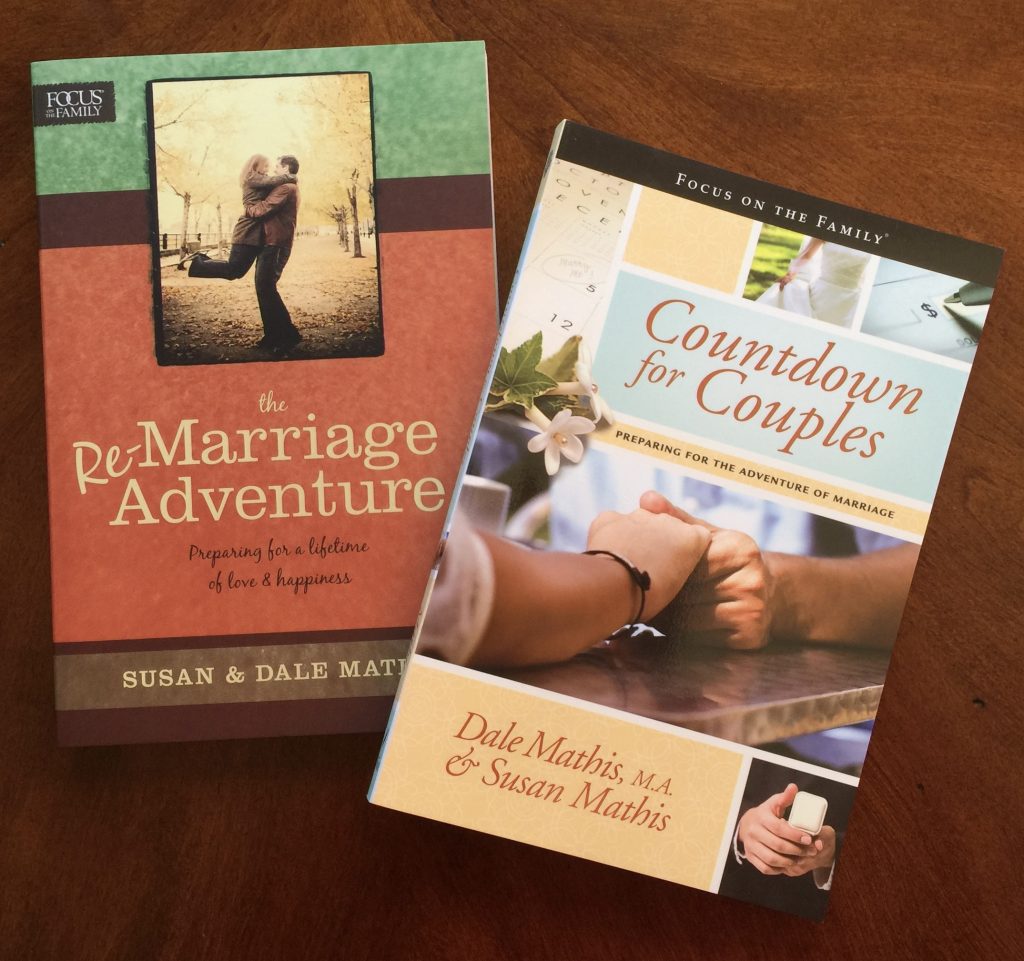
Adapted from Countdown for Couples: Preparing for the Adventure of Marriage. We also have a premarital book for remarriage—The ReMarriage Adventure: Preparing for a Lifetime of Love & Happiness.Check them out under the premarital books tab: http://www.susangmathis.com/premarital-books/
Jocelyn Green on faith and courage

 Jocelyn Green inspires faith and courage as the award-winning and bestselling author of numerous fiction and nonfiction books, including The Mark of the King; Wedded to War; and The 5 Love Languages Military Edition, which she coauthored with bestselling author Dr. Gary Chapman. Her books have garnered starred reviews from Booklist and Publishers Weekly, and have been honored with the Christy Award and the Golden Scroll Award.
Tell us about your newest book.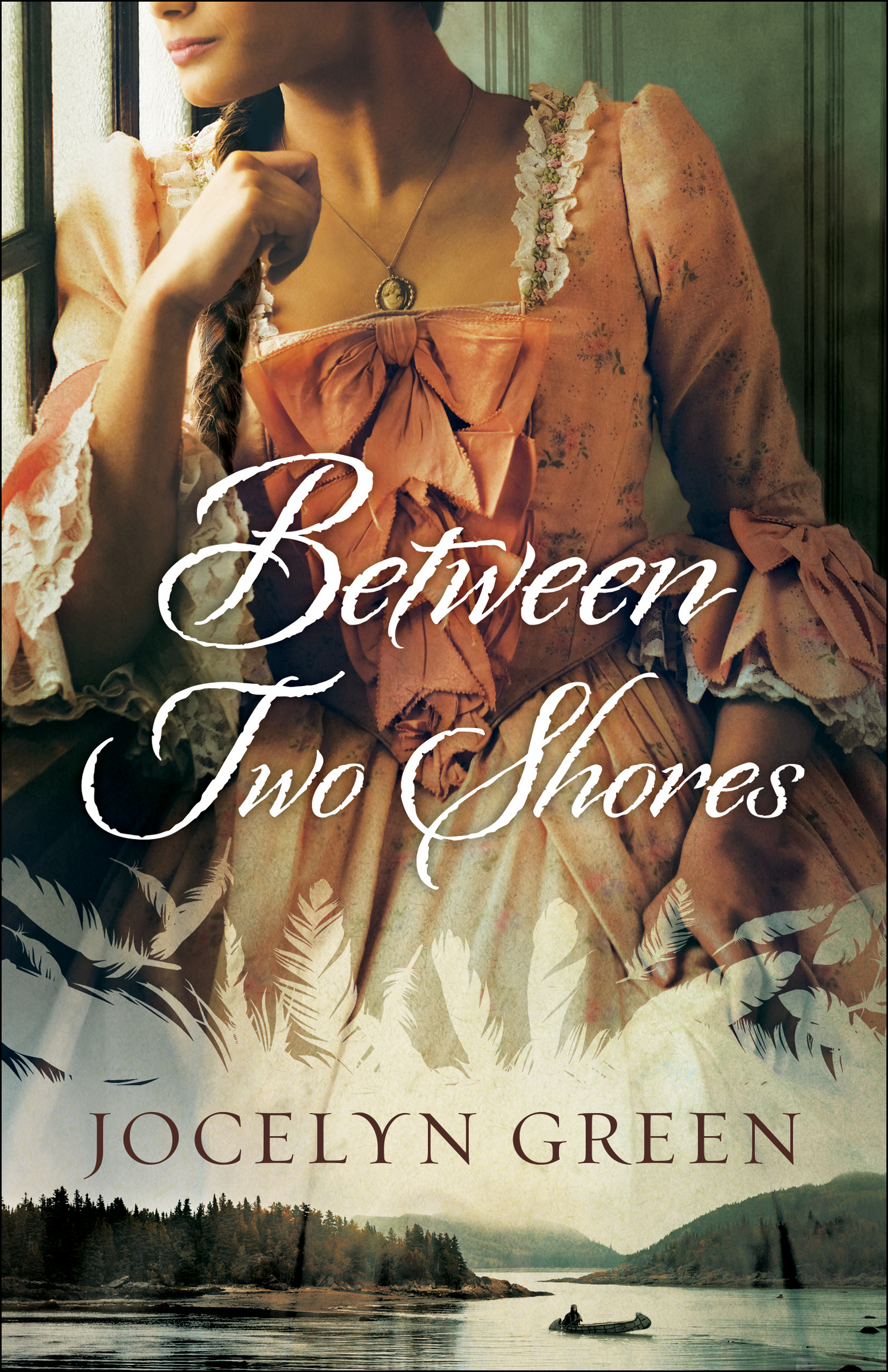
The daughter of a Mohawk mother and French father in 1759 Montreal, Catherine Duval would rather remain neutral in a world tearing itself apart. Content to trade with both the French and the British, Catherine is pulled into the Seven Years’ War against her wishes when her British ex-fiancé, Samuel Crane, is taken prisoner by her father. Samuel claims he has information that could help end the war, and he asks Catherine to help him escape.
Peace appeals to Catherine, even if helping the man who broke her heart does not. But New France is starving, and she and her loved ones may not survive another winter of conflict-induced famine. When the dangers of war arrive on her doorstep, Catherine and Samuel flee by river toward the epicenter of the battle between England and France. She and Samuel may impact history, but she fears the ultimate cost will be higher than she can bear.
What genre do you focus on and why?
I have written just as much nonfiction as historical fiction, but for the purpose of this interview, I’ll talk about why I write historical novels. History still matters today. We can learn so much from the people who lived before us, and how they shaped and were shaped by the events of their generations. Not only can we find inspiration from them, but also a much better perspective as we look at the world today. Unfortunately, so often, history is distilled into a list of dates and names—not interesting at all. The vehicle of historical fiction allows us to explore segments of the past through the lens of the people who lived it. We get to explore the full spectrum of the human condition through the novel. Personally, I love learning while being entertained with drama, and studies show that when we’re curious about something—such as what will happen to our heroine in the next chapter—we’re far more likely to remember surrounding details, such as the historical context. To me, that’s the icing on the cake. When readers care about characters and learn about history at the same time, I’m thrilled.
Who is your main character, and how did you choose that name?
My main character is Catherine Stands-Apart Duval. She’s half-French and half-Mohawk, so I chose Catherine for her Christian name, which was a traditional name for French-Canadian colonists in the 18th century. Her surname of Duval was also common among the French-Canadians and easy for English-speaking readers to pronounce. Stands-Apart is Catherine’s Mohawk name, given to her by her Mohawk mother to describe her personality. She was never content to go along mindlessly with a group, but wanted to do things her own way.
What does a day in your writing world look like?
The day always starts with Bible reading and prayer journaling with breakfast and tea. After that, it’s time to take care of the rest my family. Pack a lunch for my husband, get the kids up and settled into school. We homeschool, but the kids do their lessons online quite independently. I make sure they have the help they need from me in the morning, and then I will typically go to my office to work. When I’m a few months away from deadline, I try to clock six hours of writing in per workday, although sometimes I get done earlier than that. If I’m between deadlines, I spend a lot of time reading, cooking, and doing typical mom/wife type things.
What is the hardest part of being an author? Why?
The hardest part is time management. There is always something else I could be doing instead of writing. I have to choose to make writing a priority in my day if I’m going to have any hope of meeting my deadlines.
What’s the best part of your author’s life? Why?
The best part is connecting with readers! They are the reason I write. Hearing that God used anything I wrote to touch them somehow is such a blessing.
What is your favorite pastime?
Reading! There’s nothing else I love more than that. But I also go in phases of enthusiasm for gardening and baking.
Do you have other books? We’d love to know.
Yes. Between Two Shores is my seventh full-length novel and my sixteenth book over all. You can learn more about all of my titles on my Website: https://www.jocelyngreen.com/books
What are you working on now?
I’m currently working on another novel for Bethany House. This one is set in Chicago in 1871, so it covers the Great Fire. It will release in February 2020.
Website: www.jocelyngreen.com
Link to book: https://www.jocelyngreen.com/books/fiction/between-two-shores
Social media links: www.facebook.com/jocelyngreenauthor www.twitter.com/jocelyngreen77 www.pinterest.com/jocelyngreen77 www.goodreads.com/JocelynGreen