
Meet author Patti Townley-Covert
 An award-winning freelance author, Patti Townley-Covert wrote The Windblown Girl: A Memoir about Self, Sexuality, and Social Issues. This inspiring memoir shows how exchanging cultural lies for biblical truths led to peace and stability.
Patti’s written numerous articles for international and national publications. Her award-winning blog is on her website at ptcovert.com.
She’s done the limbo in the Caribbean, gone on a King Crab Safari in the Arctic Circle, and explored Denali on a clear Alaskan day. At home in Southern California, she keeps fit with step aerobics and zumba classes. Patti also loves reading good books on the beach.
Tell us about your newest book.
In The Windblown Girl: A Memoir about Self, Sexuality, and Social Issues, my mother’s and husband’s voices tried to convince me that I was a prude and frigid. So did the “if it feels good do it” zeitgeist of the early 1970s. It was a time of global chaos. Vietnam, my dad missing in action. Watts riots. Sex, drugs, and rock and roll. Trying to discover the truth about myself, I engaged in an illicit love affair with a Norwegian navigator on a cruise ship in the Caribbean. We expected this no-strings attached affair to end after two weeks. But God had other plans (so wild that I could never have made them up), and that intense romantic liaison became a monumental catalyst for my transformational journey.
What inspired you to write your story?
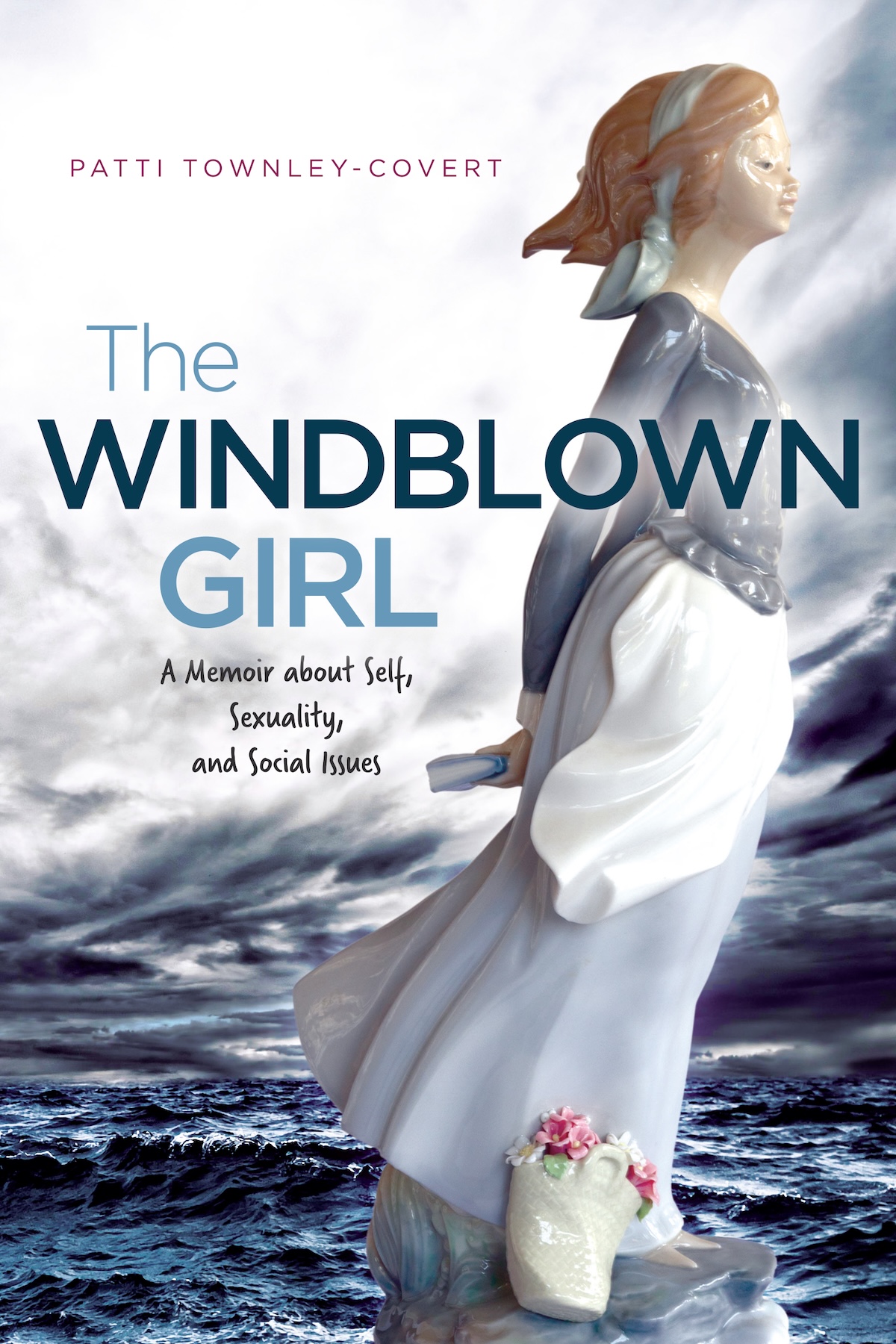
The Windblown Girl, shown on the cover. On the same Caribbean cruise when I met the Norwegian, I discovered this Lladro figurine. Despite life’s fierce winds blowing against her, she stands firm on a Rock with a book behind her back. It took years for me to grasp her significance and how she epitomized my life. This story was more than forty years in the making with many details unfolding over time.
What genre do you focus on.
The Windblown Girl is a memoir that was written using fiction techniques so it reads like a novel. This coming-of-age story has much history and spiritual truth incorporated into it, similar to the Christian historical fiction series I’m working on now.
Why do you write?
I write because I want to expose cultural lies and set forth biblical truth in ways readers can relate to. For almost a decade, I had the honor of working with NASA-level scientists helping them show how the scientific facts support biblical creation more than evolution. Truth shores up faith and changes lives for the better whether set forth in nonfiction or fiction.
What is your work schedule like when you’re writing a book?
It varies depending on what’s going on in my life. I love it when I have a full day with no other plans but writing. However, that’s rare.
What is the hardest part of being an author?
As an author, I wish I could just write. Being a writer involves juggling many different tasks like website development and marketing. Such tasks are often outside of my comfort zone.
What’s the best part of your author’s life?
Ongoing learning and making connections. Whatever I’m writing, whether a devotion, article, or book–for readers to understand the content, I must understand it first. Much of my writing involves social issues because they are a major part of our world. That was true in my memoir and is just as true now. Over the years, I’ve gotten involved with the fight against human trafficking, securing funding for foster care, learning about child and domestic abuse and so much more. It was Covid, George Floyd’s murder, and local soldiers being killed during the withdrawal from Afghanistan that pulled together the pieces of my memoir.
What’s one thing your readers should know about you?
I care deeply about them as individuals. And, I write because the biblical truths I do my best to set forth have brought peace and stability into my life and can do the same for theirs no matter how troubling the chaos in our world.
How have you changed or grown as a writer?
While working with scientists, primarily as an editor, I learned to identify concepts that helped them understand my changes. Over time identifying problems strengthened my writing skills to where I now teach them to others.
What is your favorite pastime?
Conversations with friends over a meal. Or reading a good book.
Do you have other books? We’d love to know.
I’ve co-written two books, In the Red Zone: A Game Plan for How to Share Your Faith with Kent Tucker and Love. Money. Power. A Pastor’s Journey into Reality with John Setser. And I’ve edited dozens more written by scientists and a philosopher/theologian.
What are you working on now?
The CHRONICLES OF CHOICE series with co-author Nan Rinella. She’s the regional director in Texas for the C. S. Lewis foundation so this Christian historical fiction series gives glimpses of the wit and wisdom of C. S. Lewis and J. R. R. Tolkien. A free prequel, The Battle Begins will be available for e-newsletter subscribers this summer. There’s a sign-up form on my website at ptcovert.com.
This series is set right after World War II in England. In Derailed (Book One), internal voices like Anger, Despair, and Grief plague the thoughts of Lily after the Harrow-Wealdstone train crash deals her a horrific blow. These contrast with the voices of love as demonstrated by her father (a vicar) and the Claibornes (her best friend’s family). Phila, her handsome brother Hugh (the future Earl), Lady Beatrice and Sir Henry do all they can to help as Lily rejects God, determined to make her own way as a fashion designer for the Queen’s couturier, Norman Hartnell.
In Book Two, Detoured, Phila takes center stage as she finishes her education at Oxford, intent on marrying Prince Charming. But a knight-in-shining armor, a giant Scot named Ollie, who won the Victoria Cross during the war, vies for her heart as Deception, Pride, and Self-Pity threaten. Phila and Ollie, Lily and Hugh all need to a spiritual detour from the wide road to the narrow one. Conversations with C. S. Lewis and J. R. R. Tolkien in the Eagle and Child, as well as their writings, challenge internal lies.
Website: https://ptcovert.com/
Link to book: https://bit.ly/Windblown-Girl
Social media links: https://www.facebook.com/patti.townleycovert/
https://www.linkedin.com/in/patti-townley-covert-973b4614/
https://www.instagram.com/wndblwngir/
Meet author Dawn Shipman
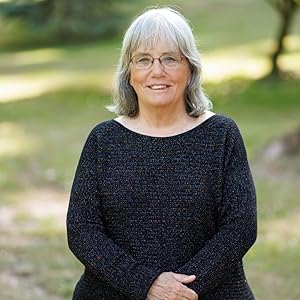
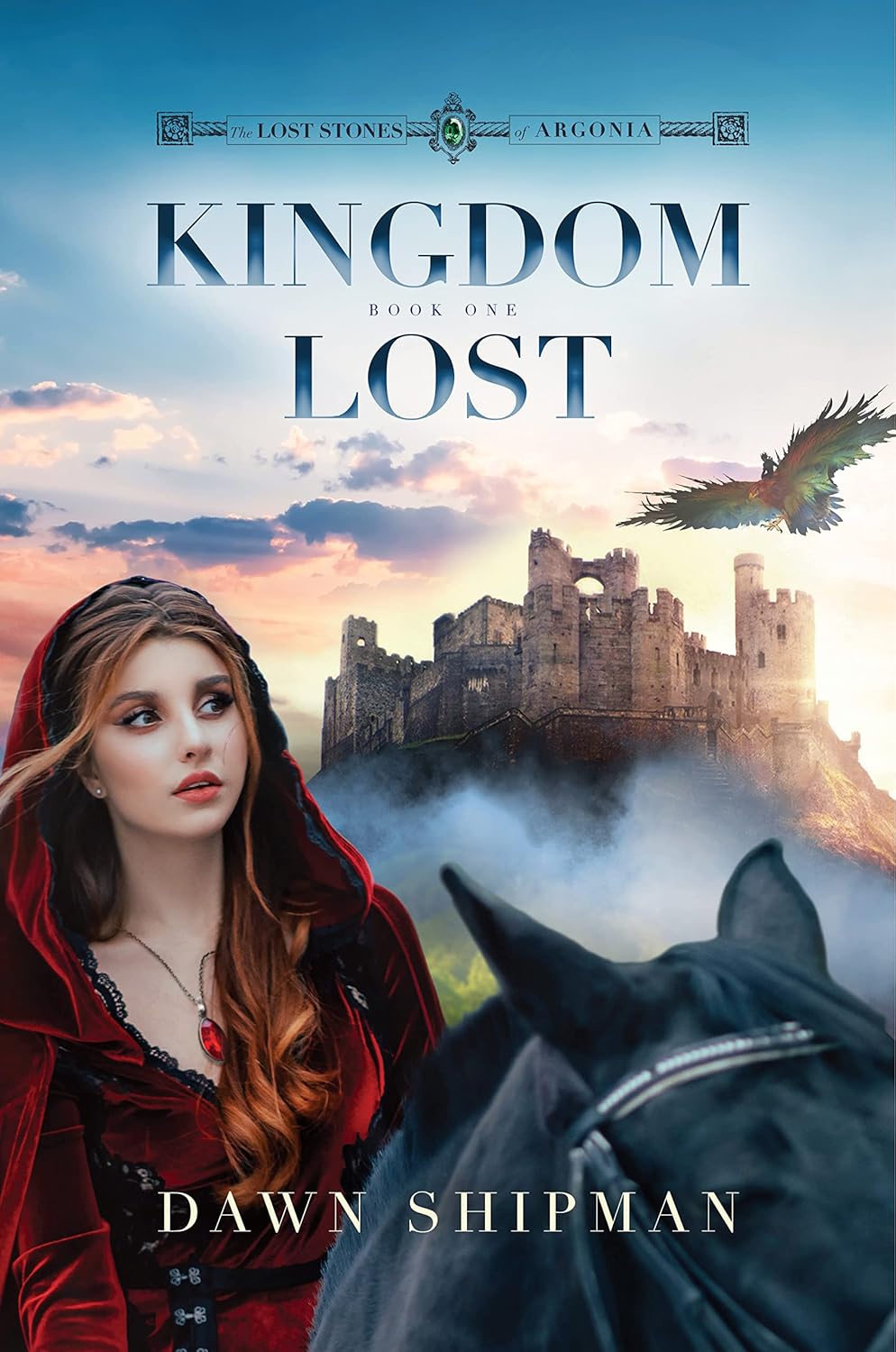 Dawn Shipman knew she wanted to be a writer since Mrs. Juell’s 10th-grade Creative Writing class. Since then, she’s written stories, plays, poetry, quizzes, puzzles, and hundreds of magazine articles. 2021 saw the debut of her first novel in her Lost Stones of Argonia YA fantasy trilogy. Dawn lives in the beautiful Pacific Northwest with her husband and a revolving band of fur kids—dogs, cats, and horses.
Tell us about your newest book.
Kingdom Lost tells the story of Lyric, the only child of a widowed king, when her kingdom is overrun by a seemingly innocent neighboring prince. In the pages that follow, she learns she is part of a much larger story, an ancient prophecy, and a quest she would never have chosen for herself. She finds strength in herself she didn’t know she had and slowly learns to become the queen she will one day need to be.
What inspired you to write your story?
I wanted to write something different than the contemporary fiction I’d been focused on. Where good and evil were much more clear cut than what is so often detected in our contemporary world. A world where nobility, goodness, and kindness were valued.
What genre do you focus on.
Fantasy for the YA (Young Adult) reader. I have read and loved many books but The Lord of the Rings and The Chronicles of Narnia were the most life-changing for me. I wanted to create a world and characters that would live long in their readers’ minds, too.
Why do you write?
To tell stories that, I hope, will touch others’ lives the way mine was by other authors.
Who is your main character, and how did you choose that name?
Lyric, Princess of a land called Tressalt in the world of Argonia. She had a different name for a long time, then “Lyric” just came into my mind. The name was unusual and held vibes of music, poetry, and creative sound. It just seemed “right,” and now I couldn’t think of her any other way.
What’s the best part of your author’s life?
Creating characters and worlds that are completely unknown to anyone but me! Why? Perhaps, in a way, to become part of that different world and to spend time with those characters.
What’s one thing your readers should know about you?
My faith is extremely important to me, but all people are welcomed into my circle if they want to be there.
What is your favorite pastime?
Riding my horse in the woods of the Pacific Northwest.
Do you have other books? We’d love to know.
The rest of the trilogy—“Quest of the Queen,” and “Battle for the Crown.”
What are you working on now?
The prequel to the Lost Stones trilogy—“To Soar on Jeweled Wings.” I’m very excited about this. So many questions raised in the trilogy will be explored and answered here!
Website: https://dawnshipmanfiction.com
Link to book: https://www.amazon.com/Kingdom-Lost-Stones-Argonia-Book-ebook/dp/B09KTJHZ7C
Social media links: https://www.facebook.com/profile.php?id=100063338973694
https://www.instagram.com/dawnshipmanfiction/
Meet author T. Elizabeth Renich
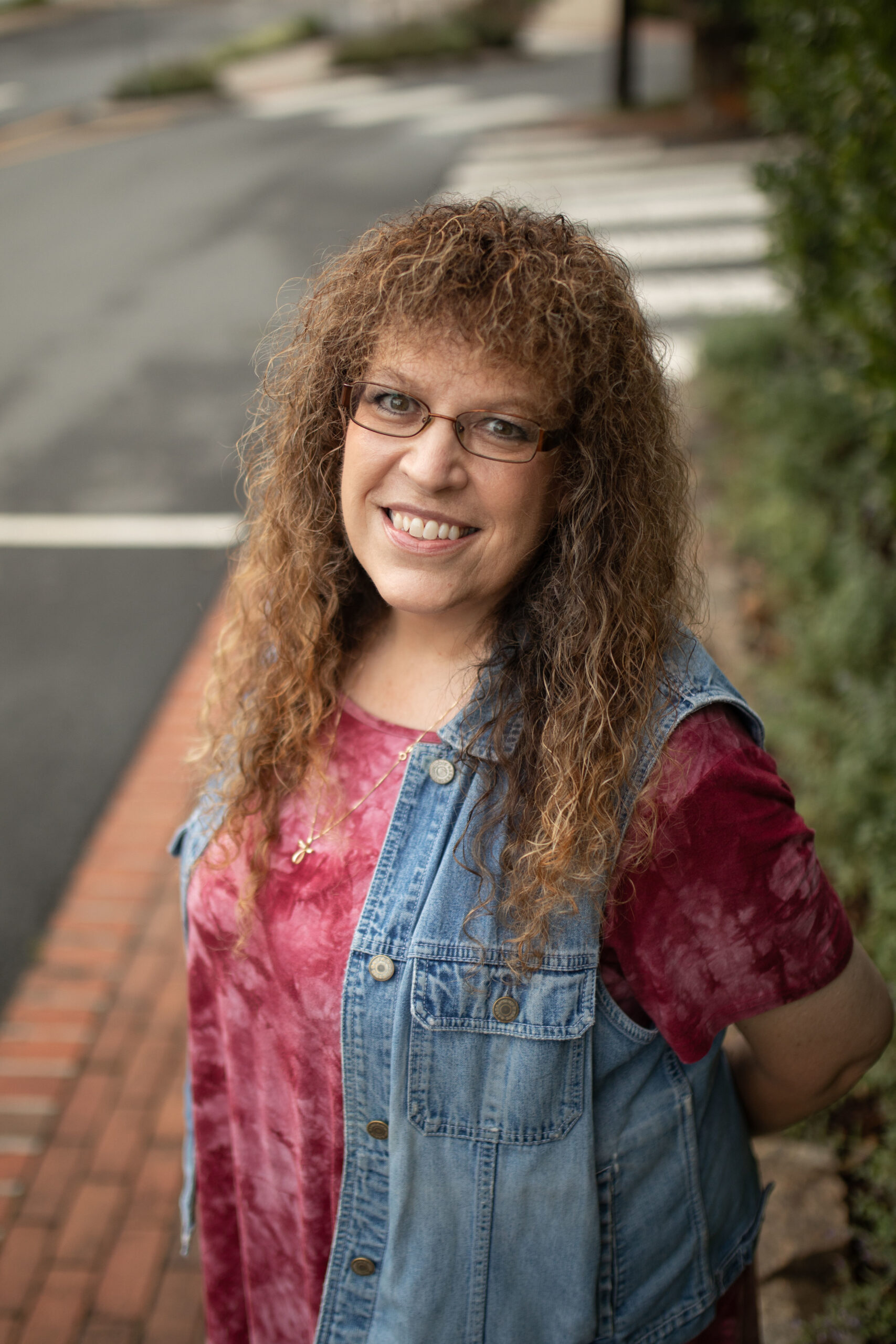
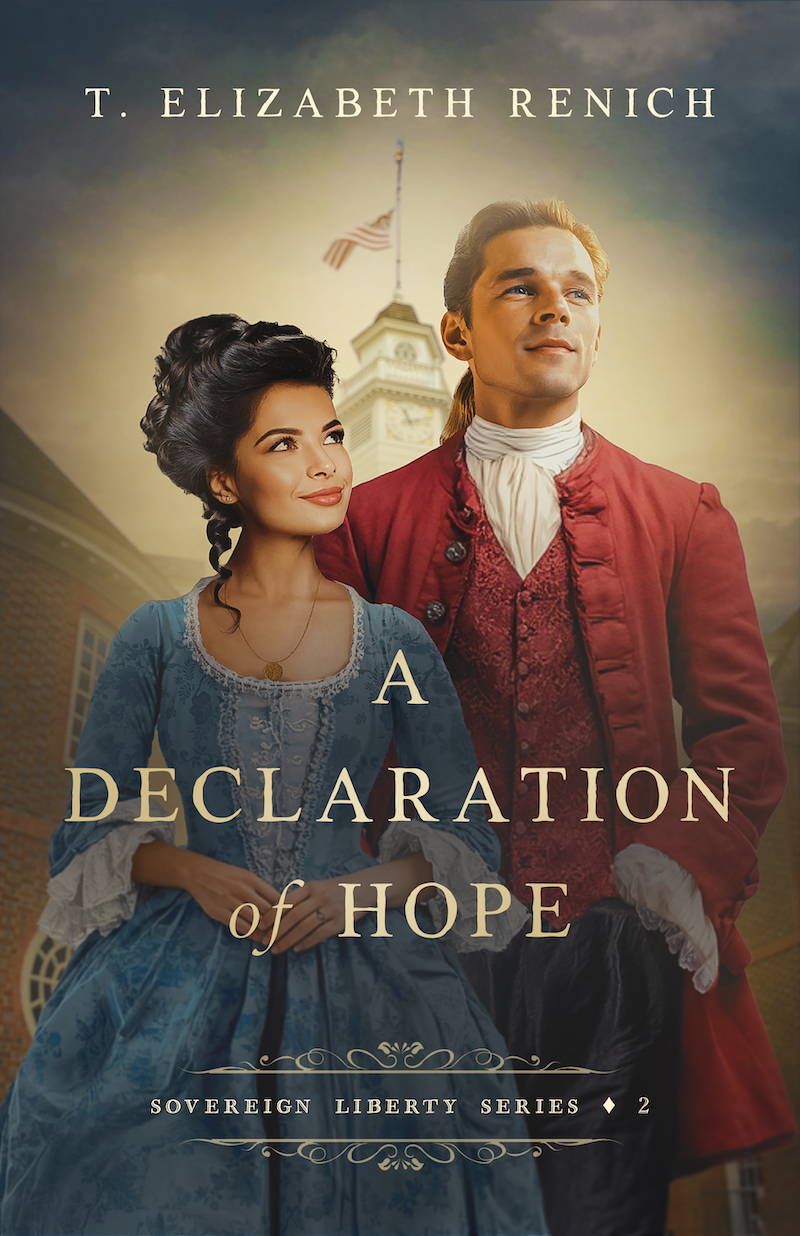 T. Elizabeth Renich is the author of six historical novels set against America’s Revolution and Civil War. She worked for two NFL teams and has visited all fifty United States of America. International travels have taken her to Germany, Japan, Ireland, Israel, Scotland, and England. She hunts historical markers and shares hope as an ovarian cancer survivor. Her love of photography is evident in albums documenting research trips and life in general, illustrating how she gives glory to God for the great things He has done.
Tell us about your newest book.
A Declaration of Hope is the second of my Sovereign Liberty trilogy. A Worthy Risk was released last summer, and A Declaration of Hope will be released June 23, 2026 – while I’m in England for a research trip with author-friends Julie Klassen, Erica Vetsch, Audra Harders, and Laura Frantz.
Marcus St. James takes Serenity Ravensworth to wife, exonerated of a past he can’t remember. Relocation to British North America requires relinquishing his noble English title and estate. Strife in the Colonies escalates at each presumptuous Parliamentary Act, and when blood is spilled in Massachusetts and Virginia, Independence is weighed in the balance. Unavoidable revolution is coming—in truth, it has already arrived—and neither Marcus or Serenity can do anything to stop it. The Colonies will be free, but at what cost?
What inspired you to write your story?
After spending two and a half decades researching the Civil War, I accepted a challenge to try something else… so I began researching to build my knowledge base on the French and Indian War and the Revolutionary War (from the American side and the British side) because I needed to be able to know what I was writing about. I discovered actual events that I wanted to write about and then wove my invented characters into fictional interactions with real historical figures.
What genre do you focus on.
I write historical fiction. There is so much more to our country’s history than what is taught in schools and I wanted to share the amazing things I learned with others. Our country is not perfect by any stretch of the imagination, but it was founded by God-fearing men who sought His ways for an “experiment” of government of the people, by the people, and for the people. We are those people, and it’s our responsibility to guard the stories of what makes our nation great. There isn’t another country in existence with the rich tradition the USA has to offer its citizens.
Why do you write?
Some days, I honestly don’t know why I write, and some days I feel like it’s just what I’m supposed to do. I don’t remember a time when I wasn’t writing something. Little stories. Silly poems. I worked on both the newspaper and yearbook staffs in high school. I journaled. Now I write elaborate captions for photo books of my research trips. I write books because I have been encouraged to do so, and I continuously thank God for providing me with words and storylines.
Who is your main character, and how did you choose that name?
I didn’t go searching for a specific name for my main female character – Serenity was always her name since the time she made an appearance on page one of A Worthy Risk. Serenity’s hero, Marcus, bears his name as a tribute to three men in my life who shared their positive influence with me over the years. One is my cousin, one is man I worked with, and one is a former professional football player. They each had an impact – and I wanted Serenity to fall in love with a man who shares their complied characteristics.
What is your work schedule like when you’re writing a book?
I hold a “real job” 40 hours a week, Monday-Friday. Writing happens whenever I can get it in during the rest of my waking hours. If I’ve been on a research trip, I take notebook, phone/camera, and laptop with me so as I can get ideas recorded while they are fresh.
What is the hardest part of being an author?
The hardest part is that it’s not just writing. In addition to researching, there’s marketing, signings, designing, collaborating, social media, sales, taxes, business… It’s a second job that never seems to have enough hours to get all I want to get accomplished done. I couldn’t do all the peripheral without an incredible support team, including my agent, spurring me on.
What’s the best part of your author’s life?
When someone (in person or in a book review) says, “I loved your story and I learned so much that I never knew before!” I love getting the chance to pick the brains of learned historians and sharing with readers both historical details and those that are faith-based.
What’s one thing your readers should know about you?
I’m very particular about the details I include in my stories and historical accuracy is extremely important to me. I have to put away my soapbox when it occasionally sneaks out. I try not to drive more than 12 hours in a day to reach or return home from a research trip. (That’s more than one thing… too many words—ha!)
How have you changed or grown as a writer?
Technology-wise, from the time I initially wrote my Shadowcreek Chronicles (the first two were written in Microsoft Works and turned in on 3.5” floppy disks!) to the Track Changes feature we use now for the Sovereign Liberty Series, getting words out of my head and “onto paper” is a night and day difference. Personally, I came through chemo treatments for ovarian cancer and so since then, my brain processes things differently than it used to.
What is your favorite pastime?
I love creating photo books on Shutterfly when I’m not under deadline. I also love to read, watch football, and get in the Jeep and go drive to something historical (library, museum, battlefield…) or spend time with family and friends.
Do you have other books? We’d love to know.
I have six historical novels and one chapter in a non-fiction compilation.
What are you working on now?
I am writing the third installment of the Sovereign Liberty series. I’ve been asked by a few people if I know how the book will end, and I do… Spoiler alert: Cornwallis surrenders Crown forces and the Continental Army endures to see that America gets her freedom…
Website:
My website was recently updated with a lovely refresh… and if readers would like to keep in touch to learn about new releases, research, and appearances they are welcome to subscribe to my newsletter. https://telizabethrenich.com
Link to book(s) on Amazon.com:
A Worthy Risk – https://a.co/d/0ggZgJRP
A Declaration of Hope – https://a.co/d/08Du6YxY
Social media links:
Instagram: @telizabethrenich
Facebook: https://www.facebook.com/telizabethshadowcreekbooks
- Elizabeth Renich is the author of six historical novels set against America’s Revolution and Civil War. She worked for two NFL teams and has visited all fifty United States of America. International travels have taken her to Germany, Japan, Ireland, Israel, Scotland, and England. She hunts historical markers and shares hope as an ovarian cancer survivor. Her love of photography is evident in albums documenting research trips and life in general, illustrating how she gives glory to God for the great things He has done.
Tell us about your newest book.
A Declaration of Hope is the second of my Sovereign Liberty trilogy. A Worthy Risk was released last summer, and A Declaration of Hope will be released June 23, 2026 – while I’m in England for a research trip with author-friends Julie Klassen, Erica Vetsch, Audra Harders, and Laura Frantz.
Marcus St. James takes Serenity Ravensworth to wife, exonerated of a past he can’t remember. Relocation to British North America requires relinquishing his noble English title and estate. Strife in the Colonies escalates at each presumptuous Parliamentary Act, and when blood is spilled in Massachusetts and Virginia, Independence is weighed in the balance. Unavoidable revolution is coming—in truth, it has already arrived—and neither Marcus or Serenity can do anything to stop it. The Colonies will be free, but at what cost?
What inspired you to write your story?
After spending two and a half decades researching the Civil War, I accepted a challenge to try something else… so I began researching to build my knowledge base on the French and Indian War and the Revolutionary War (from the American side and the British side) because I needed to be able to know what I was writing about. I discovered actual events that I wanted to write about and then wove my invented characters into fictional interactions with real historical figures.
What genre do you focus on.
I write historical fiction. There is so much more to our country’s history than what is taught in schools and I wanted to share the amazing things I learned with others. Our country is not perfect by any stretch of the imagination, but it was founded by God-fearing men who sought His ways for an “experiment” of government of the people, by the people, and for the people. We are those people, and it’s our responsibility to guard the stories of what makes our nation great. There isn’t another country in existence with the rich tradition the USA has to offer its citizens.
Why do you write?
Some days, I honestly don’t know why I write, and some days I feel like it’s just what I’m supposed to do. I don’t remember a time when I wasn’t writing something. Little stories. Silly poems. I worked on both the newspaper and yearbook staffs in high school. I journaled. Now I write elaborate captions for photo books of my research trips. I write books because I have been encouraged to do so, and I continuously thank God for providing me with words and storylines.
Who is your main character, and how did you choose that name?
I didn’t go searching for a specific name for my main female character – Serenity was always her name since the time she made an appearance on page one of A Worthy Risk. Serenity’s hero, Marcus, bears his name as a tribute to three men in my life who shared their positive influence with me over the years. One is my cousin, one is man I worked with, and one is a former professional football player. They each had an impact – and I wanted Serenity to fall in love with a man who shares their complied characteristics.
What is your work schedule like when you’re writing a book?
I hold a “real job” 40 hours a week, Monday-Friday. Writing happens whenever I can get it in during the rest of my waking hours. If I’ve been on a research trip, I take notebook, phone/camera, and laptop with me so as I can get ideas recorded while they are fresh.
What is the hardest part of being an author?
The hardest part is that it’s not just writing. In addition to researching, there’s marketing, signings, designing, collaborating, social media, sales, taxes, business… It’s a second job that never seems to have enough hours to get all I want to get accomplished done. I couldn’t do all the peripheral without an incredible support team, including my agent, spurring me on.
What’s the best part of your author’s life?
When someone (in person or in a book review) says, “I loved your story and I learned so much that I never knew before!” I love getting the chance to pick the brains of learned historians and sharing with readers both historical details and those that are faith-based.
What’s one thing your readers should know about you?
I’m very particular about the details I include in my stories and historical accuracy is extremely important to me. I have to put away my soapbox when it occasionally sneaks out. I try not to drive more than 12 hours in a day to reach or return home from a research trip. (That’s more than one thing… too many words—ha!)
How have you changed or grown as a writer?
Technology-wise, from the time I initially wrote my Shadowcreek Chronicles (the first two were written in Microsoft Works and turned in on 3.5” floppy disks!) to the Track Changes feature we use now for the Sovereign Liberty Series, getting words out of my head and “onto paper” is a night and day difference. Personally, I came through chemo treatments for ovarian cancer and so since then, my brain processes things differently than it used to.
What is your favorite pastime?
I love creating photo books on Shutterfly when I’m not under deadline. I also love to read, watch football, and get in the Jeep and go drive to something historical (library, museum, battlefield…) or spend time with family and friends.
Do you have other books? We’d love to know.
I have six historical novels and one chapter in a non-fiction compilation.
What are you working on now?
I am writing the third installment of the Sovereign Liberty series. I’ve been asked by a few people if I know how the book will end, and I do… Spoiler alert: Cornwallis surrenders Crown forces and the Continental Army endures to see that America gets her freedom…
Website:
My website was recently updated with a lovely refresh… and if readers would like to keep in touch to learn about new releases, research, and appearances they are welcome to subscribe to my newsletter. https://telizabethrenich.com
Link to book(s) on Amazon.com:
A Worthy Risk – https://a.co/d/0ggZgJRP
A Declaration of Hope – https://a.co/d/08Du6YxY
Social media links:
Instagram: @telizabethrenich
Facebook: https://www.facebook.com/telizabethshadowcreekbooks
Meet author Linda J. White
 Linda J. White is the award-winning, bestselling author of fourteen K-9 search and rescue and FBI thrillers. She’s known for her deep characterizations, twisty, gripping plots, and happy endings. She lives in Yorktown, Virginia and loves hiking, birding, and the beach.
Tell us about your newest book.
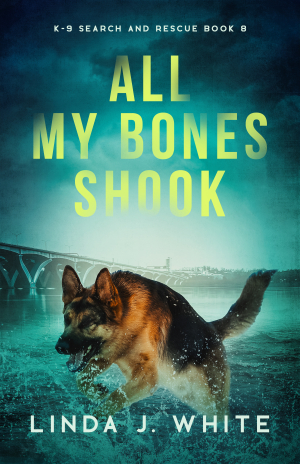
All My Bones Shook is the eighth book in my K-9 series, although it can be read as a standalone. Jessica Cooper is a wife, mom, a search-and-rescue volunteer, and a private investigator. When a lawyer, Brett, suspects his ex-wife is harming their kids, he hires Jess to look into it. Her investigation confirms his suspicions, and more. Case closed, right? But then Brett turns up dead and Jess goes missing, leaving her FBI agent husband, her friend Nate, and her faithful German shepherd, Luke, to try to find her.
What inspired you to write your story?
These characters won’t leave me alone! They are constantly in my head, arguing, exclaiming, working out their faith with fear and trembling. And so, I write.
What genre do you focus on.
I write mystery/suspense. That’s what I was reading when I started out on this journey over thirty years ago—Grisham, Clancy, Cornwell, and all the rest. But I noticed something: None of these books included realistic Christians living out their lives in that context. My husband worked for the FBI Academy. We knew a lot of Christian agents. I started thinking about how they would react in different circumstances. And I started writing mystery/suspense with a thread of faith.
Why do you write?
I write to work out my life; my prayer is that my writing glorifies God.
What is your work schedule like when you’re writing a book?
Generally, I write for about four hours in the morning, and then go back and edit in the evening.
What is the hardest part of being an author?
Marketing. I hate self-promotion. I have an author assistant who handles a lot of that for me.
What’s the best part of your author’s life?
I love the research, the writing, and reader reactions. I try very hard to write authentically, which is why I do a lot of research. The writing is immersive—I enjoy getting lost in the book I’m writing. And I appreciate it when readers tell me how much they love my characters and, especially, when a book encourages them in their faith walk.
What’s one thing your readers should know about you?
I am passionate about Jesus and I believe getting lost in a fictional story can help us find Him.
How have you changed or grown as a writer? I’m not as insecure as I was in the beginning. I know what my calling is, and it is a great joy to fulfill it.
What is your favorite pastime?
Besides reading, I love birding, whether it’s in my backyard or at the beach, hiking, and playing with grandkids.
Do you have other books? We’d love to know.
All My Bones Shook is my fourteenth novel, so yes, there are others. I’ve published six straight FBI thrillers and now eight search-and-rescue books, all available on Amazon or through SundialBooks.net.
What are you working on now?
I’m just starting to map out Book 9 in my SAR series!
Website: www.lindajwhite.net
Link to book: https://bit.ly/4v71rP9
Meet author Linda Shenton Matchett
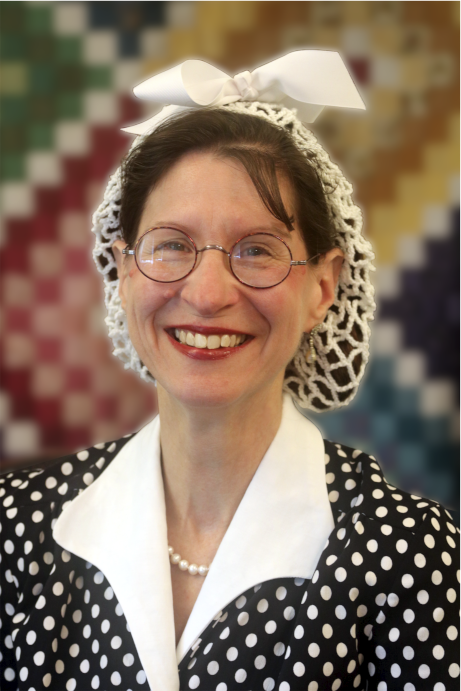
 Linda Shenton Matchett writes happily-ever-after historical Christian fiction about second chances and women who overcome life’s challenges to be better versions of themselves. A native of Baltimore, Maryland, she has lived in historical places all her life. Now in NH, she is a volunteer docent and archivist at the Wright Museum, immerses herself in the imaginary worlds created by other authors, and drinks copious amounts of tea.
Tell us about your newest book.
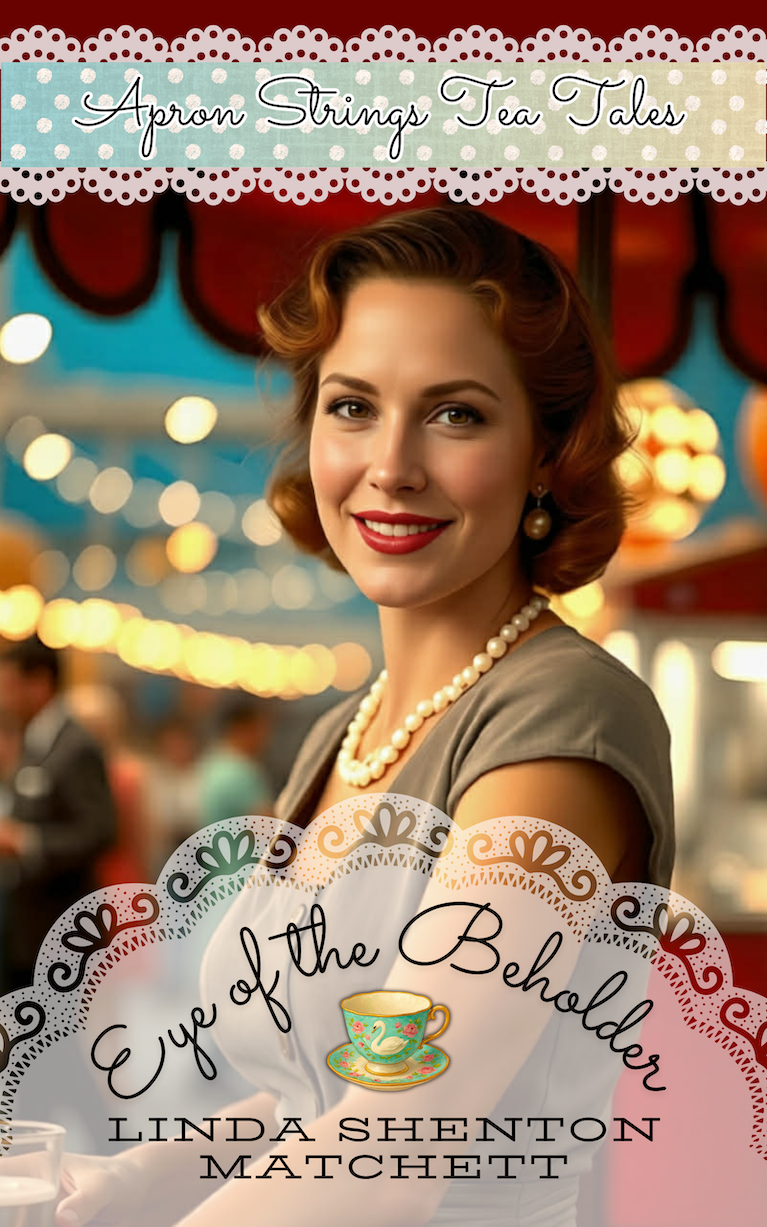
Eye of the Beholder is a fairytale retelling of the Ugly Duckling set during the 1939 New York World’s Fair. The story features Hank Drake, a WWI who bears heavy facial scars, and as a result has experienced disgust, disdain, and shunning. Grace Sutton has been criticized and pitied by her family for not being married, and their treatment has only gotten worse as she approaches her fortieth birthday. They find acceptance, friendship, then love.
What inspired you to write your story?
I was approached by Amy Walsh to be part of the multi-author project, Apron Strings Tea Tales. All the books are fairytale retellings set during the period between World War I and World War II, and the Ugly Duckling was available. I’ve always been drawn to that story for personal reasons, so it was an easy choice. The museum where I volunteer has an exhibit about the 1939 fair, so I knew research would be readily available. I also had attended the 1982 Knoxville, TN World’s Fair so memories which I thought might help.
What genre do you focus on.
I primarily write historical romance. I love a good happily ever after and am fascinated by history, especially the post-civil war/westward expansion and World War II eras.
Why do you write?
It sounds hokey, but I can’t not write. I’ve been scribbling stories since I was in elementary school, and I’m also a journaler. It’s how I process life. My writing is a ministry. I hope my stories encourage readers in their Christian walk or lead them to the Lord.
Who is your main character, and how did you choose that name?
Hank Drake is my male main character, and I wanted a harsh-sounding name for him, so I used single syllable words with a K in the middle. Also, Drake is the word for male duck. Grace Sutton is the female main character, and I selected her name to reflect her persona: graceful, gentle, and loving. Sutton I pulled out of one of my 1940s yearbooks.
What is your work schedule like when you’re writing a book?
Until mid-May when I retired, I had limited time to write, so I scheduled 90 minutes prior to going to work each morning Monday through Friday. Fortunately, I’m an “early bird” and had a relatively short commute which allowed me to do that. Weekends were for social media, blog posts, and marketing. Now, I continue to write in the mornings but can be more flexible with which days I work.
What is the hardest part of being an author?
I find marketing the most difficult. I’m not visually creative, so making graphics is time consuming, and I don’t feel mine are as good as what I see others do. But I do my best!
What’s the best part of your author’s life?
I love connecting with readers through social media. Sometimes we talk about our lives, other times we share what we’re reading which is always a plus! I’m an author, but I’m also a voracious reader, and I love getting recommendations from others. I’ve found lots of new favorite authors because of reader groups.
What is your favorite pastime?
I came to it late, but I love jigsaw puzzles. Hubby and I own more than fifty, and we always have one going.
Do you have other books? We’d love to know.
I have lots! Forty-three others to be exact! Here is the link to my book page: http://www.lindashentonmatchett.com/p/lindas-books.html
What are you working on now?
I’m finishing book 5 in The Resistance Chronicles, a series of books about siblings who join resistance groups in Scandinavia and northern Europe during WWII. I’m also outlining a Christmas mail-order bride story and researching Laurel, Maryland for a new series that will take place on the WWII home front.
Website: http://www.LindaShentonMatchett.com
Link to book: http://www.amazon.com/dp/B0GX2Z8KPY
Social media links:
Pinterest: https://www.pinterest.com/lindasmatchett
YouTube: https://www.youtube.com/@lindamatchett
Facebook Readers Page: https://www.facebook.com/groups/lindashentonmatchettsreadersgroup
Instagram: https://www.instagram.com/lindasmatchett
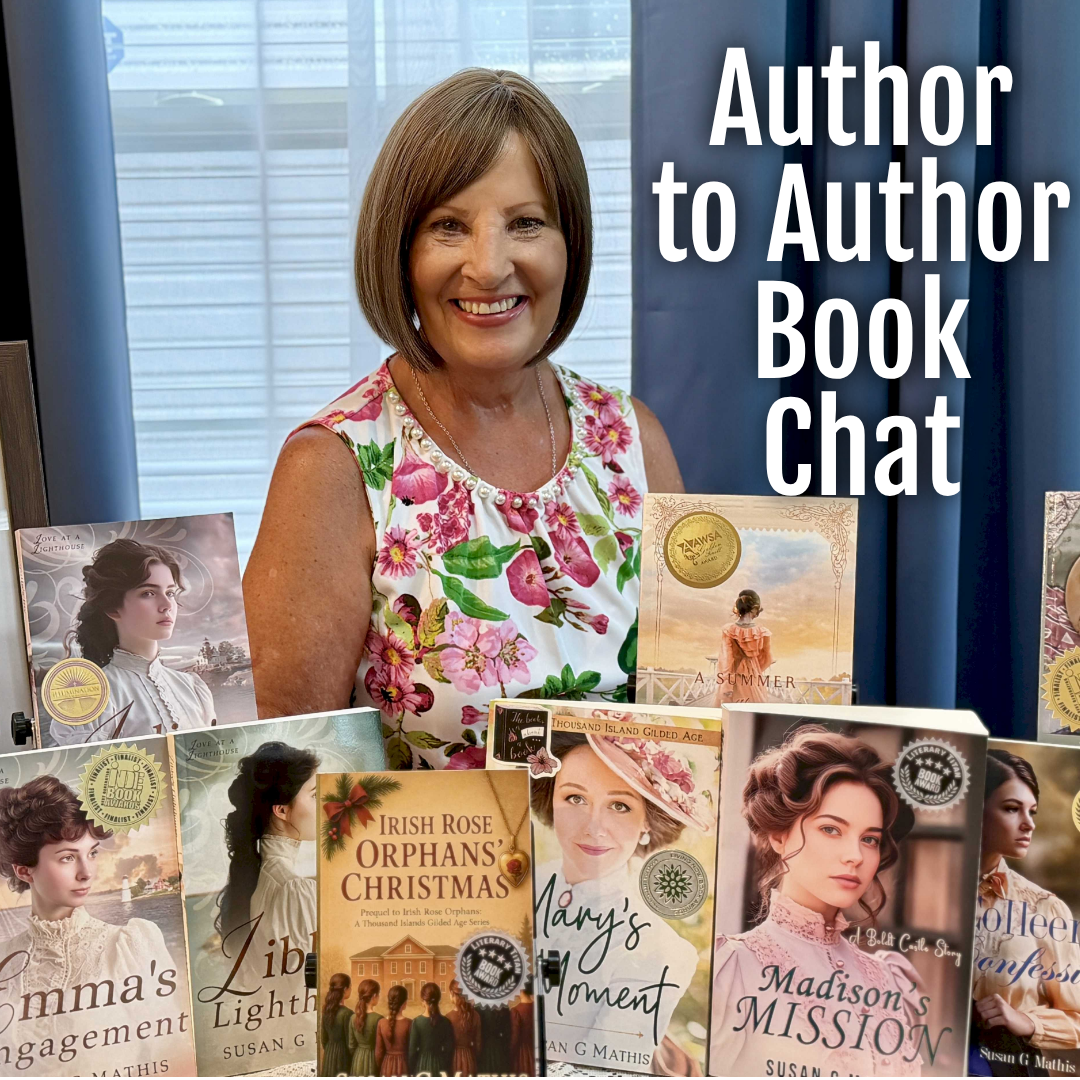
Susan’s Book Tour is here!
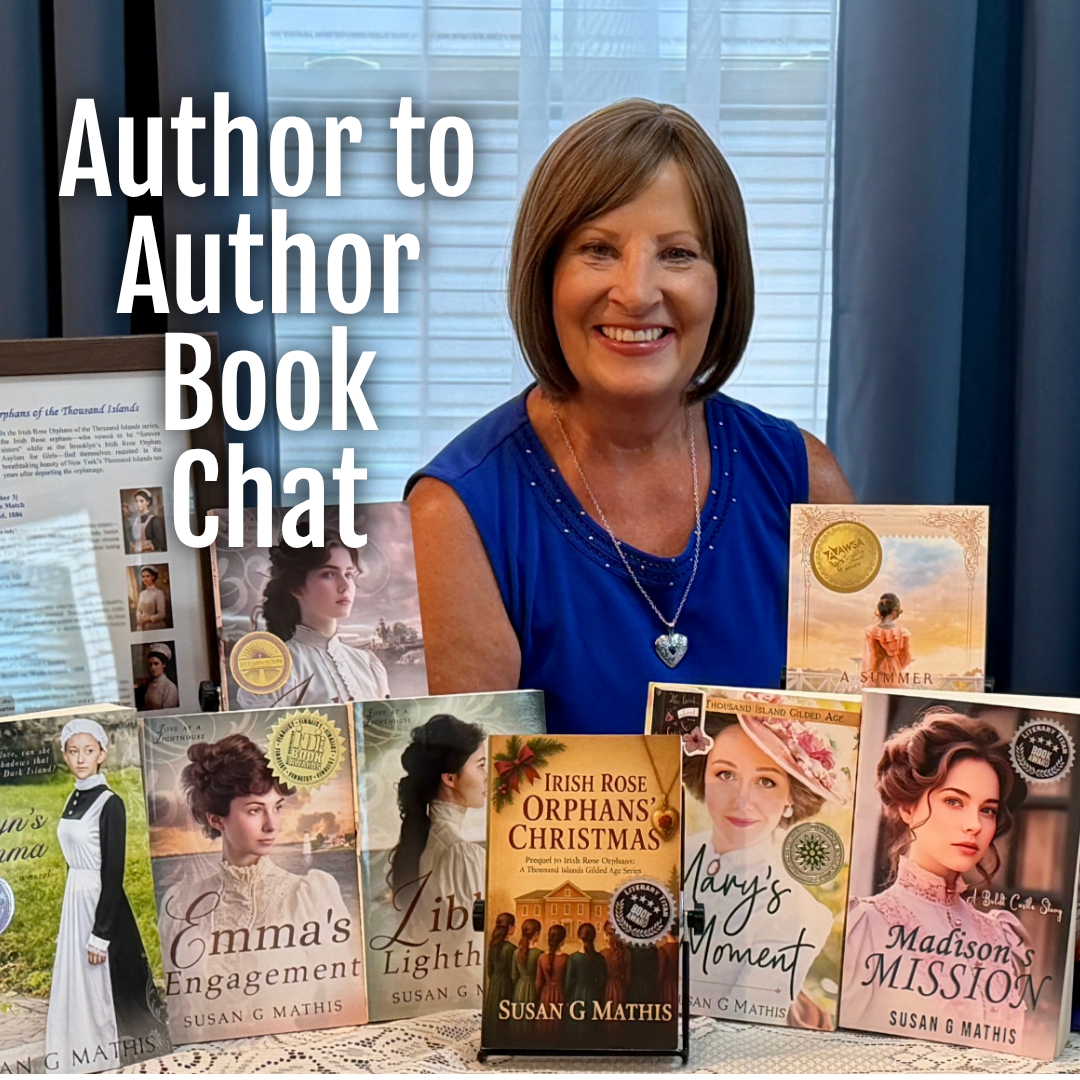
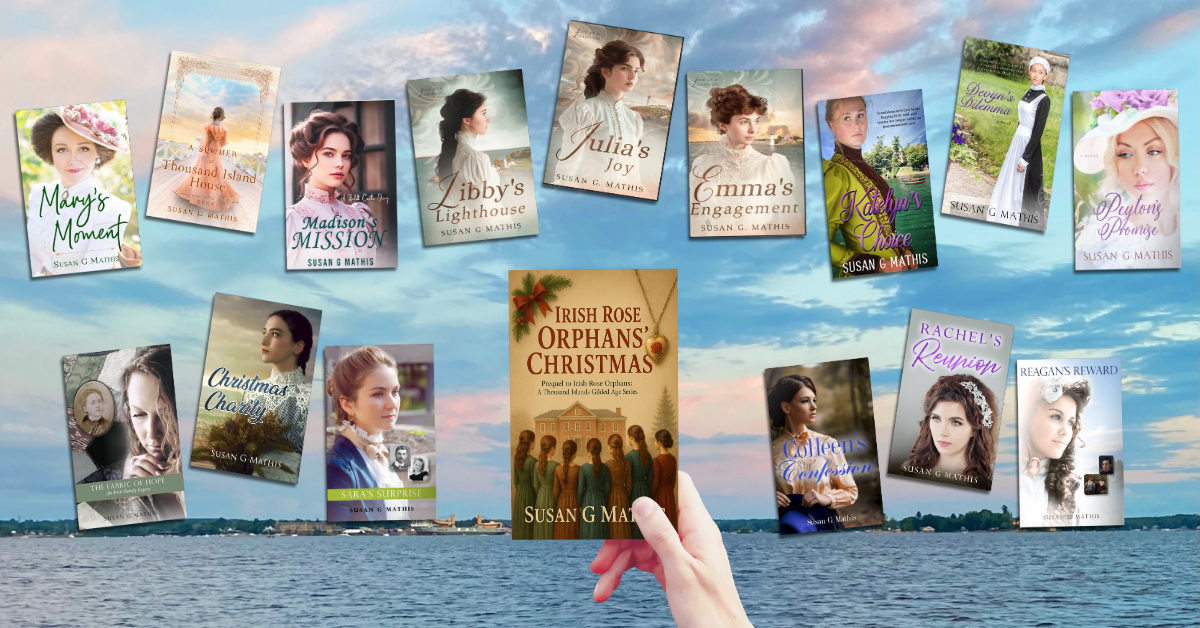 Susan G Mathis returns for her beloved annual Thousand Islands Book Tour, July 4–17, bringing the glamour, romance, and intrigue of the Gilded Age to life once again! Readers and history lovers alike will have the opportunity to explore all sixteen of her award-winning Thousand Islands novels—and be among the first to discover her newest release, Irish Rose Orphans’ Christmas, the heartwarming prequel to her brand-new series debuting this fall.
In Irish Rose Orphans’ Christmas, seven young women face a life-changing holiday—their final Christmas together before leaving the orphanage to begin lives of service among strangers during the Gilded Age. Bound by hardship, faith, and an unbreakable promise to remain “forever sisters,” they must confront hidden wounds and uncertain futures as the season of parting draws near. It’s the perfect early Christmas read—and a wonderful gift for historical fiction fans!
This touching novella launches The Irish Rose Sisters: A Thousand Islands Gilded Age Series, where the orphaned “forever sisters” reunite ten years later amid the breathtaking beauty of New York’s Thousand Islands. Journey alongside Annie, Taryn, and Fiona to Friendly Island, Nobby Island, and Westminster Park on Wellesley Island, where love, friendship, and second chances await along the sparkling St. Lawrence River.
Mathis’s richly researched novels transport readers into the elegance and grandeur of the Thousand Islands’ Gilded Age. Visit iconic landmarks such as Boldt Castle, Singer Castle, Calumet Castle, and the historic lighthouses of Tibbett’s Point, Rock Island, and Sister Island. Explore Pullman Island, Thousand Island Park, Comfort Island, Casa Blanca, Wolfe Island, and luxurious resorts like the Thousand Island House, the New Frontenac Hotel, and the Crossmon Hotel.
Whether you’re a longtime fan or discovering her stories for the first time, don’t miss the chance to meet Susan during her July tour, browse her captivating novels, get your books signed, and step into the enchanting world of the Gilded Age Thousand Islands.