Irish Immigrant Orphans in Gilded Age New York
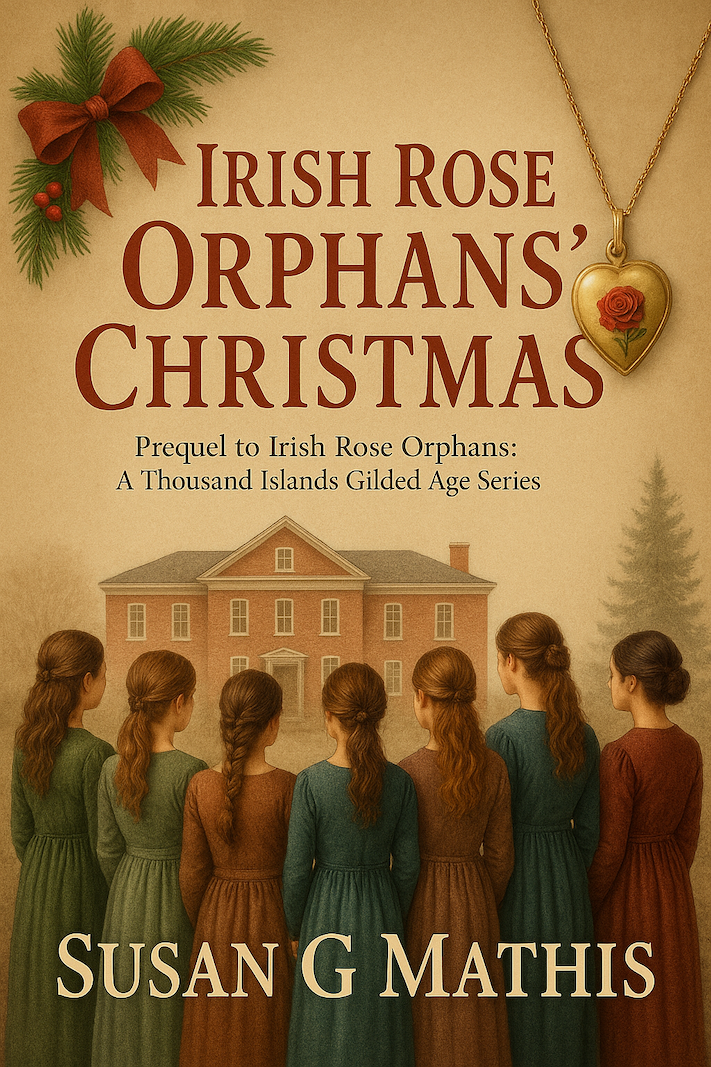 In the closing decades of the 19th century, New York City was a city of contrasts—towering mansions and teeming slums, dazzling wealth and desperate poverty. For thousands of Irish immigrants, the promise of America collided with the harsh reality of overcrowded tenements, low wages, and prejudice. And for many children of those families, tragedy came early, leaving them alone in a city that could be both cruel and full of compassion.
Out of this struggle grew the orphanages of New York, institutions that became lifelines for destitute and abandoned children—many of them Irish. The mid-to-late 1800s saw a massive wave of Irish immigration, driven by famine and poverty at home. By 1870, the Irish made up more than a quarter of New York’s population. But opportunity was hard-won. Many families crowded into unhealthy tenements in neighborhoods like Five Points and Hell’s Kitchen. Disease, malnutrition, and workplace accidents took parents early, leaving countless children orphans without guardians.
But anti-Irish sentiment was rampant. The Irish community responded by building its own network of faith-based orphan asylums, places where children could grow up within their faith and culture. Run largely by nuns, these homes combined charity with strict discipline. Daily life was regimented—morning prayers, lessons, chores, and sometimes industrial or domestic training. Girls were trained in sewing, cooking, and housekeeping—skills that would prepare them for domestic service in upper-class homes.
For many Irish girls, this was their only path to survival and respectability. They entered the Gilded Age world as maids, governesses, or kitchen staff—serving the very families whose wealth defined the era. Yet within that service, they carried the quiet pride and resilience of their heritage.
The community’s compassion reflected a deeper truth of the time—in a city bursting with inequality, faith communities often filled the gaps left by government and society.
Yet, while many orphans found love and security in the orphanage and later in service, others faced hardship and isolation. Still, this movement reshaped the future of child welfare and symbolized the Irish spirit of perseverance in the face of adversity.
The story of New York’s Irish orphanages is one of heartbreak and hope. Within their brick walls, children learned discipline, faith, and the dignity of hard work. Many carried those lessons into adulthood, helping shape the city that once turned its back on them.
These institutions—born from compassion and necessity—stood as beacons of mercy in a city that could be indifferent to the poor. For thousands of Irish immigrants and their children, the orphanage was not the end of their story, but the beginning of a new one.
Follow me on social media!