
Meet author Laura DeNooyer
Susan loves connecting with fellow authors, so let’s chat!
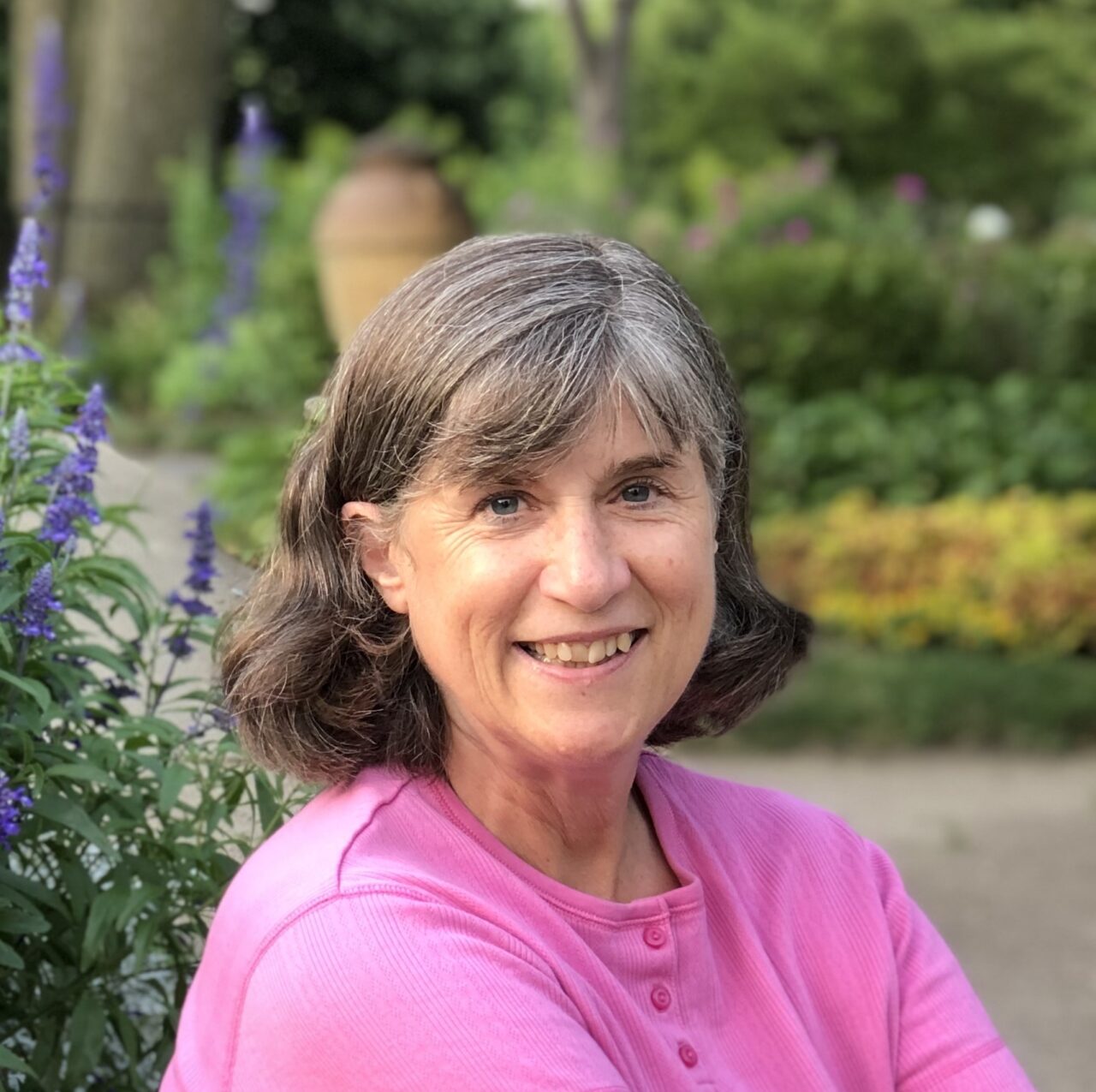
Laura DeNooyer thrives on creativity and encouraging it in others. A Calvin College graduate, she is a teacher, wife, parent of four adult children, and an award-winning author of heart-warming historical and contemporary fiction. Her novels are perfect for fans of Patti Callahan Henry, Erin Bartels, or Heidi Chiavaroli. When she’s not writing, you’ll find her reading, walking, drinking tea with friends, or taking a road trip.
Tell us about your newest book.
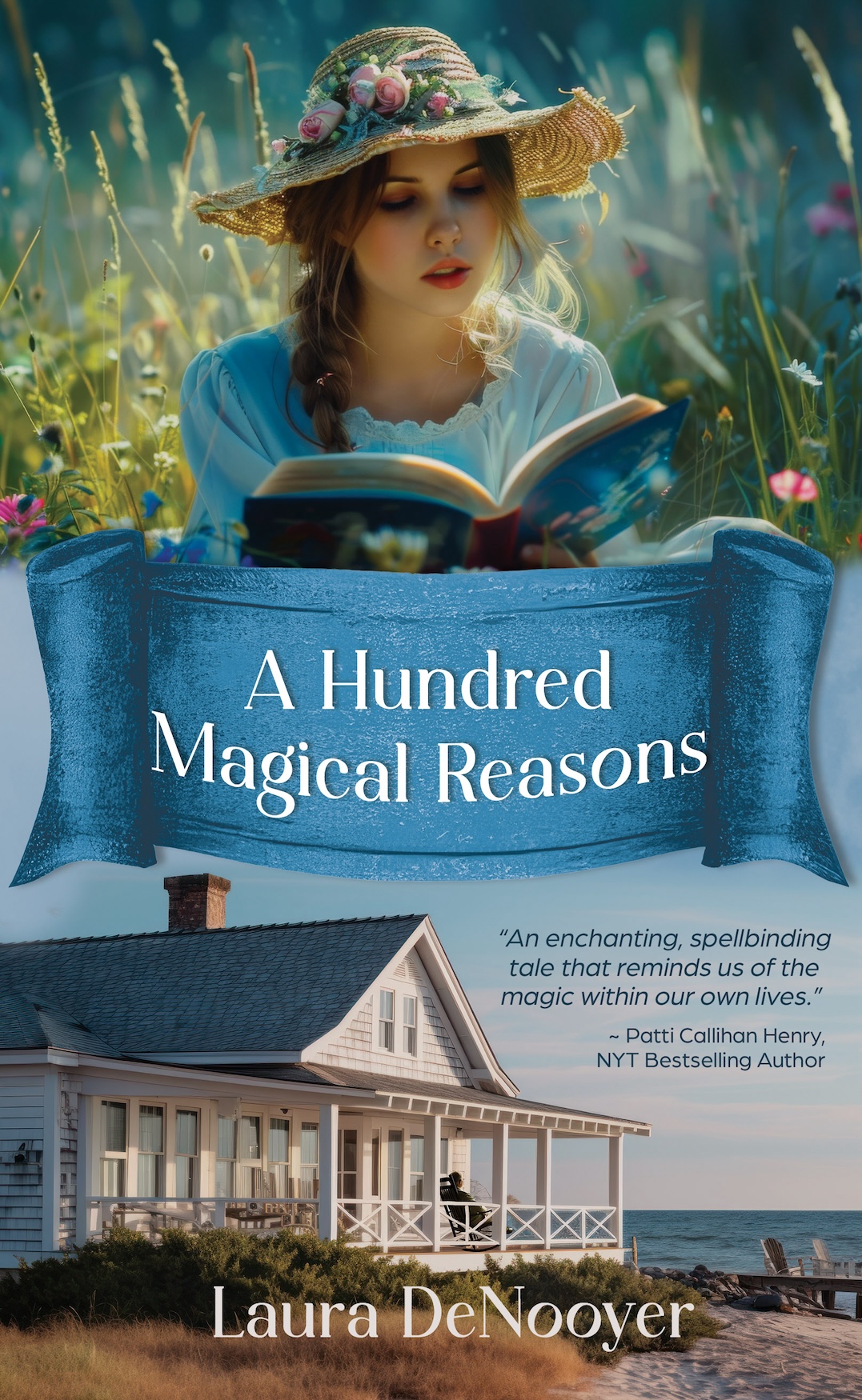
Most fairy tales have happy endings, but is it too late for this one? After all, Mrs. Charlotte Rose Gordon is eighty-eight. This disgruntled town recluse has grown weary of fighting the dragons of her past—including the desire to clear her husband’s name of a 1918 crime. Dragons of a different kind pursue Carrie Kruisselbrink. In 1980, during the summer of her private rebellion, Carrie defies parental expectations and pursues her café dream. While waiting for funding, she takes a job with Mrs. Gordon.
As Mrs. Gordon unfolds the story of her oppressive childhood and delightful friendship with The Wonderful Wizard of Oz author, L. Frank Baum, Carrie never expects to encounter her own fears and soul-searching. In this modern-day fairy tale that weaves between 1980 and the early 1900s, Mr. Baum’s influence impacts each woman’s personal quests on a hero’s journey neither anticipates. Can Carrie and Mrs. Gordon find common ground in battling their respective dragons?
What inspired you to write your story?
While reading a biography about L. Frank Baum, I learned that his family summered at the same lake where our family vacations yearly—at the other end of Lake Macatawa near Holland, Michigan, and a century earlier. That was a fun little connection. As I learned more about his life, I was smitten. Baum was such an innovative, larger-than-life personality—no surprise there, given that he created the Land of Oz. He was also a family man with a keen understanding of children and a high regard for women. His humor and creativity gave him the capacity to bounce back from failure many times.
Having always wanted to write a novel set in the turn of the century, Baum fit perfectly into my plans. Imagination plays a huge role. My main character Janie is at odds with her very religious, rigid parents who have no use for fun, fiction, fantasy, or fairy tales. Then eight-year-old Janie meets L. Frank Baum who stretches her imagination in every way possible. This is a major tension throughout the story.
What genre do you focus on.
That’s actually a tough question because I’ve hopped all over the place. It seems like story ideas call to me without regard for genre boundaries. So, I have two published novels that qualify as historical fiction (one is dual timeline set in Michigan; the other is Southern, set in western North Carolina in 1968). I have several completed manuscripts that I’ll be seeking a publisher for. Those are contemporary women’s fiction set in Wisconsin, but one is dual timeline, partially set in the 1950s.
Whether contemporary or historical, I enjoy writing about the challenges of working through dysfunctional family drama and troubled relationships. My stories are multi-layered, raise questions, and offer both hope and food for thought.
Why do you write?
A Thomas Jefferson quote comes to mind: “I cannot live without books.” That’s true for me too, but I could add, “I cannot live without writing.” Writing has served as a creative outlet, a catalyst for ideas, a source of solace, and a way to explore a myriad of confusing thoughts and feelings. I wrestle with difficult events and emotional challenges from my own experiences as these scenarios somehow wind up in my stories, bringing fresh insights, fostering empathy, stretching my limits and my faith. That makes story writing a form of journaling.
Who is your main character, and how did you choose that name?
In 1980, my protagonist is Carrie Kruisselbrink. She comes from a Dutch family, which is important to the story, so she needed a Dutch surname. I picked the name Carrie because I liked it, and it suited her. Several other characters have Dutch surnames, since the Dutch populate southwest Michigan. In the early 1900s timeline, my young girl protagonist needed a name she didn’t like, as well as a lovely name used at the Baums’ house. So, her real name is Lodemia Jane (or Janie), but the Baums call her Charlotte Rose. (You’ll need to read the book to understand how that came about!) Since my own Dutch, English, and German roots are in southwest Michigan, I used various family names from both sides of the family for certain minor characters, such as Dena, Alice, and Alberta for first names, and Percell, Dunham, and Wiersma as last names.
What’s the best part of your author’s life?
First of all, everything can be fodder for a story. No experience or pain is wasted. Secondly, stories are a way to touch others in deep places. Whenever a reader takes the time to tell me how my story has impacted her in some way, I feel like I’ve accomplished one of my key purposes as an author. I’ve used my storytelling voice to reach someone at the heart level. That’s a huge reward.
What’s one thing your readers should know about you?
Hmm . . . that’s a good question. I could give several answers, but here’s one. I strive to be approachable and relatable. Nowadays, with the internet, we have ways to connect with authors that were not possible before. Even so, some authors are still elusive or emotionally distant. I’ve experienced the gamut when trying to connect to authors myself. I’ve really appreciated the ones who were personable and down to earth. Those interactions helped me decide which kind of author I want to be.
How have you changed or grown as a writer?
I hinted at this earlier when comparing story writing to journaling, but one way I’ve grown is to see writing as a journey, not just a means to an end. As a teacher, I always taught that the writing process—or any creation of art—is just as important as the end product, if not more so.
Caring about the process not only improves the product, but it’s the part that stretches us. The process involves thinking, preparation, problem-solving, pushing the limits, experimenting, and sometimes networking. This is where learning takes place. It’s where we learn to collaborate and seek feedback from others, to find people who both encourage and stretch us. We’re made in the Creator’s image, so we create—each of us in different ways. It’s a blessing in itself. He delights in our creativity. I also believe He cares more about our journey and process than He does about the end product. So I should too.
What is your favorite pastime?
Road trips! When I’m not on a road trip, I’m anticipating the next one. After my kids grew up and left home, I discovered road trips as a great way to overcome any empty nest doldrums. Road trips also renew friendships and inspire stories.
I usually have one main reason for going on a trip—an event or conference. Then I map out my plan according to friends who live in the states I’ll be passing through. While researching for this novel, I took several Baum/Oz-inspired trips.
Do you have other books? We’d love to know.
I have one other published novel, All That Is Hidden.
Website: https://lauradenooyer-author.com
Link to book:
https://www.amazon.com/dp/B0D4Q1VK1C
Social media links:
Monthly Newsletter—sign up for 7 free recipes:
A-Taste-Of-Oz-Cookbook-Sampler.com
BookBub:
www.bookbub.com/books/a-hundred-magical-reasons-by-laura-denooyer
GoodReads:
www.goodreads.com/book/show/222349325-1-hundred-magical-reasons
Facebook author page:
https://www.facebook.com/LauraDeNooyerAuthor/
Follow me on social media!






Thank you so much for hosting me on your blog, Susan!