Meet author Rachel Medefind
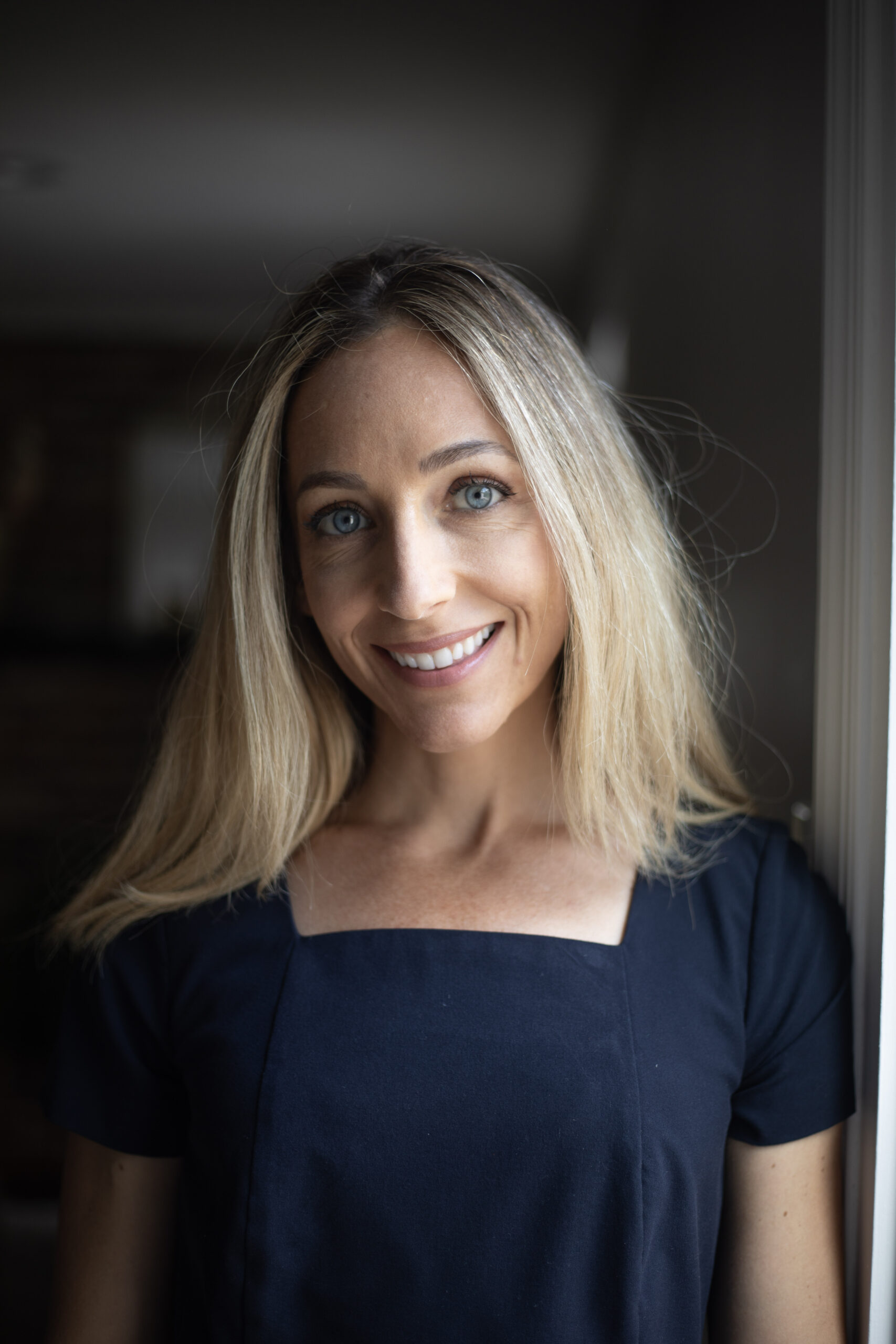
Rachel Medefind is Director of the Institute for Family-Centered Healing & Health at the Christian Alliance for Orphans. With a background in physical therapy and a Master’s in Psychology and Neuroscience of Mental Health from King’s College London, she specializes in early adversity and supports families facing complex parenting challenges. Rachel has served on boards supporting vulnerable children, helped found Tyndale Christian School in Arlington, Virginia, and is the author of When There Is Crisis. She and her husband, Jedd, have welcomed children through birth, adoption, and foster care.
Tell us about your newest book.
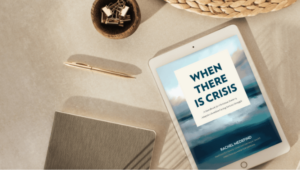
When There Is Crisis: A Handbook for Christian Foster & Adoptive Families Facing Serious Struggle was written for families walking through deep distress and for those trying to support them well. It offers practical guidance for immediate steps during a crisis, thoughtful help for families considering residential care, and encouragement toward everyday practices that support healing and long-term growth. My hope was to offer honest language, a path forward grounded in Christian wisdom, and reminders of what is most true even in very hard places.
What inspired you to write your story?
Over the years, my husband and I have had the privilege and heartache of walking closely with many foster and adoptive families. Again and again, I saw parents facing serious suffering with very little trustworthy guidance. Many were caught between emergency-level interventions and shallow advice that did not meet the depth of their need. I wanted to write something that was honest about the pain, practical about the decisions families face, and deeply rooted in the hope and wisdom of the Christian faith.
What genre do you focus on.
I write practical Christian nonfiction, especially about the small choices that contribute to flourishing over time within families and surrounded by church community. There is no shortage of information available to parents today, but practical wisdom grounded in age-old Christian practice, high-quality research, and common sense is often drowned out by the loud, frenetic flood of competing ideas.
Why do you write?
I write to help people think clearly and live faithfully in difficult circumstances. In particular, I want to serve families who feel overwhelmed, isolated, or unsure what to do next. Writing allows me to put words around hard realities, offer practical help, and remind people of what is most true: God is with them, and good can still come even through very painful seasons.
What is the hardest part of being an author?
One hard part is writing about suffering in a way that is truthful, careful, and genuinely helpful. When families are in crisis, the stakes are high. I feel a deep responsibility not to oversimplify, exaggerate, or speak beyond what is wise. I want my words to be both honest and useful, and that requires a great deal of thought, restraint, and care.
What’s the best part of your author’s life?
The best part is hearing that something I wrote helped someone in a practical way, giving them clearer footing in a hard season. Parenting is difficult for most of us and, at times, can be truly distressing or deeply painful. If, through my writing, a parent gains a clearer sense of what is most needed, feels freer to let go of lesser things, and is encouraged that many have walked a similar road before them, that is deeply meaningful to me.
What’s one thing your readers should know about you?
I care very much about offering guidance that is both compassionate and clear-eyed. I do not want to minimize suffering, but I also do not want to leave families without direction. I believe we need to hold together deep sympathy for human pain with confidence that growth, healing, and meaningful change are still possible.
How have you changed or grown as a writer?
I think I’ve grown in my willingness to bring forward ideas that are often not being talked about. Sometimes that is because a topic is being addressed too narrowly. At other times, it is because others take the easy way out and are not willing to speak honestly about the full scope of contributing factors when addressing problems. I have had to grow in courage and confidence as a thinker. For me, that courage comes from a deep desire to best support families by offering as plain and truthful a presentation as possible and then leaving them to think it through. I do this out of a deep confidence that God intends for healing and flourishing to grow and has made pathways by which this can be pursued. Though it is not easy, and never simplistic, it is indeed available. I think I have also become more comfortable presenting a vision for this.
Do you have other books? We’d love to know.
This is my first book-length resource, though I have written and developed a range of materials for foster and adoptive families, churches, and organizations seeking to support healing and health in children and families.
What are you working on now?
Right now, I’m continuing to develop resources that help families move from crisis toward greater stability, healing, and long-term flourishing. That includes a practical toolkit to accompany When There Is Crisis for parents and for those walking alongside them, to use together as a means of learning, encouragement, and growth. I’m also in the process of writing another anchor resource that lays out a vision for cultivating flourishing in the context of the home through small, daily practices.
Website:
https://cafo.org/family-institute/
Link to book:
https://cafo.org/family-institute/when-there-is-crisis/
Social media links:
https://www.linkedin.com/in/rachel-medefind
Follow me on social media!